Processor launches have become arguments about labels rather than silicon. A BIOS listing from Gigabyte, an anniversary for AMD's Athlon XP, and a routine guide to checking CPU temperatures all point at the same thing: the names, ratings, and socket promises wrapped around a chip now do more work than the hardware itself. For US buyers and the companies selling to them, that shift is the story.
Names Arrive Before the Chips Do
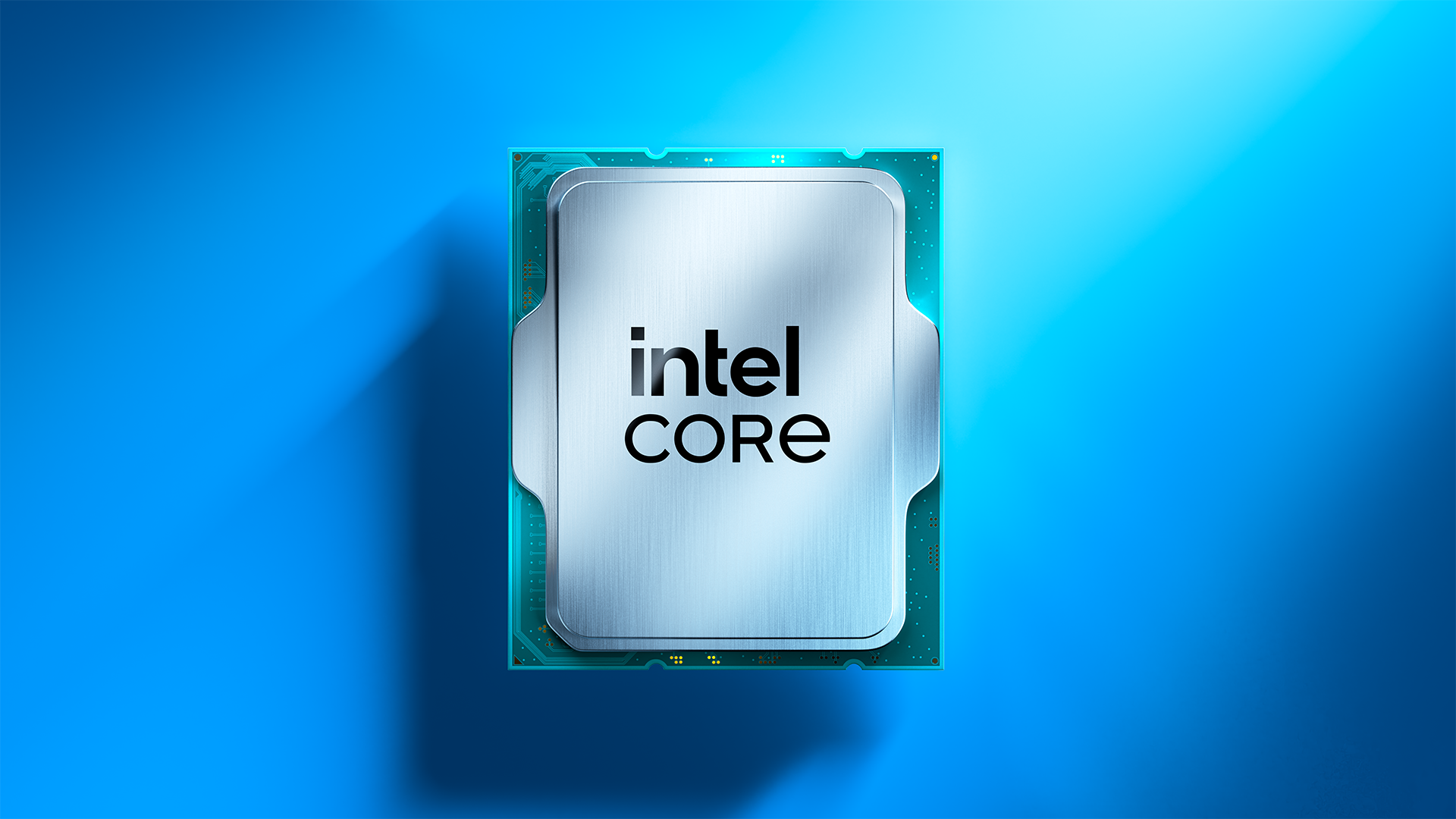
Gigabyte has confirmed BIOS support for upcoming Intel LGA 1700 processors on its B760 and H610 motherboards, according to Tom's Hardware. Those boards are not flagship parts, and the processors they now list have not been announced by Intel. The rumored Raptor Lake Next lineup is expected in early 2027 and is said to support both DDR4 and DDR5 memory, again per Tom's Hardware. Read plainly, a motherboard vendor is preparing firmware for products that do not officially exist yet.
That is not a scandal. It is the normal cadence of the industry. Board makers get early silicon, validate memory training, and push firmware so that a chip can drop into a board the day it launches. But it does mean the public learns about a processor generation through a support list rather than a launch event. The name arrives, the socket is confirmed, and the specifications follow.
For US consumers, the practical effect is narrower than the coverage suggests. An LGA 1700 board bought today is not necessarily obsolete next year. The BIOS listing is evidence that the platform has a longer tail than the usual annual refresh implies. For US system builders, that matters more than any rumored clock speed, because it determines whether a motherboard purchase in 2026 can be reused in 2027.
AMD Spent a Quarter Century Arguing About the Label
AMD launched the Athlon XP family and its Performance Rating naming scheme 25 years ago today, as Tom's Hardware notes. The PR system was an explicit attempt to crush the "Megahertz myth" - the assumption that a higher clock number meant a faster chip. AMD was selling processors whose frequencies looked lower than Intel's while arguing that they did more work per cycle.
The argument was about marketing as much as engineering. A clock speed is a single number that fits on a shelf tag. Performance across mixed workloads is not. AMD's answer was to invent its own number, the PR rating, and ask buyers to trust it instead. That is a remarkable thing for a chip company to do: concede the headline metric and substitute a proprietary one.
A quarter century later, the same problem persists in a different form. Intel's upcoming LGA 1700 parts carry a generation name, Raptor Lake Next, that tells a buyer almost nothing about performance. Core counts, cache, memory support, and power limits are what actually determine whether a chip is worth the money. The naming layer has not gotten more honest; it has gotten more crowded.
The Socket Is the Real Product
If there is a through-line from the Gigabyte listing to the Athlon XP anniversary, it is that the platform outlives the branding. AMD's PR ratings came and went. The Athlon name came and went. What persisted was the socket and the memory standard underneath. Gigabyte's firmware work on B760 and H610 boards is the same phenomenon in 2026: the durable asset is the board, not the badge on the heat spreader.