Software's New Fault Line Runs Through Control

Photo: The Verge

Article

Software's New Fault Line Runs Through Control

Four recent stories show that the defining question in software is no longer what a product does, but who can switch it off.

SuryaOctober 9, 20266 min read

Four unrelated-looking stories on this desk point at one thing. The fights that matter in software right now are not about features or speed but about who holds the switch that keeps a system running, and how quickly that switch can be thrown. In each case, the interesting detail is not the product itself but the dependency underneath it - a certificate, a cloud account, a conference bridge, a corporate patron.

Speed as a Substitute for Repair

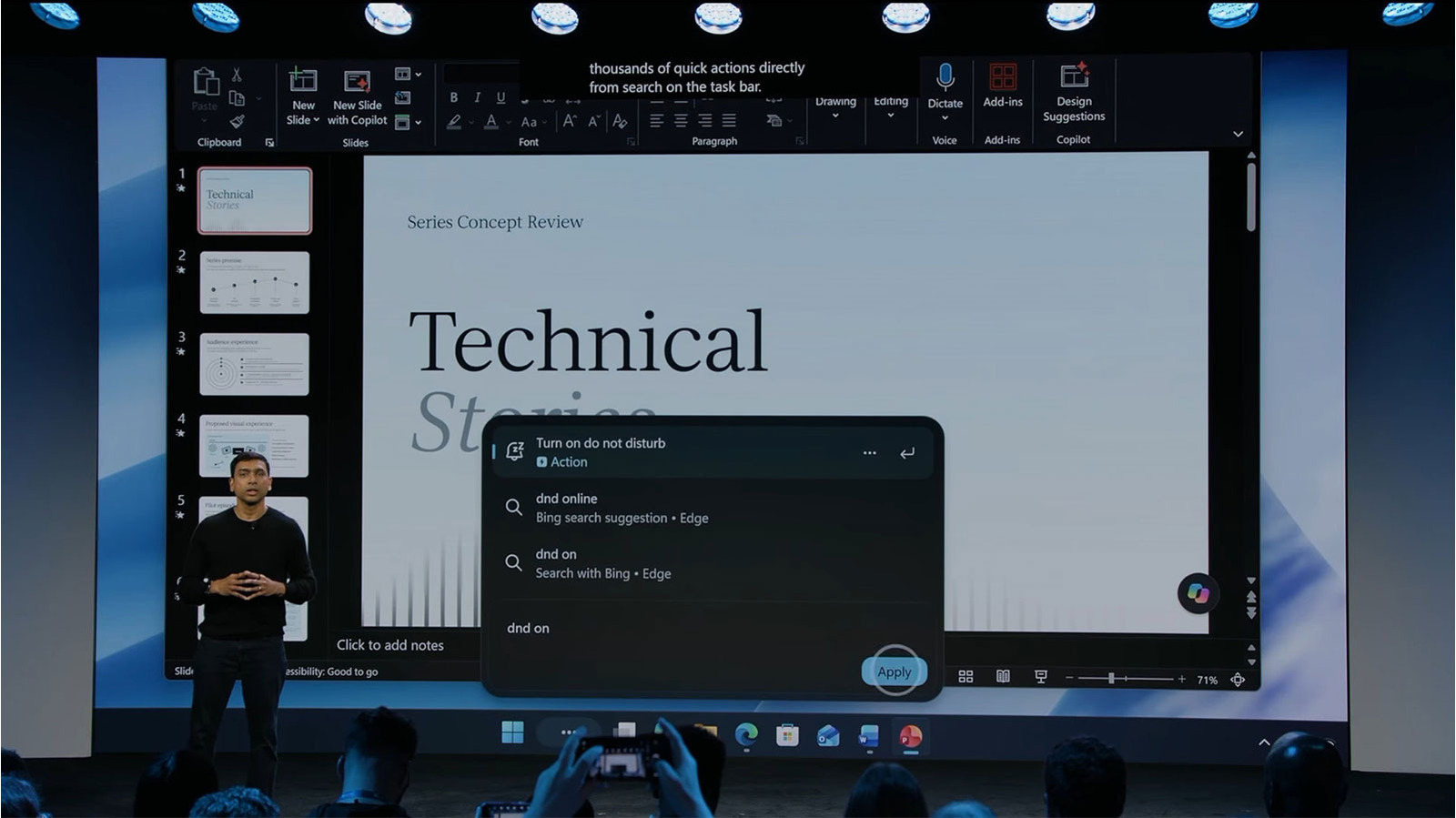
Microsoft's redesigned Windows Search, now in testing, is being pitched on speed. As The Verge reported, the company's Anshul Rawat says the new experience "is built for speed," and the framing is telling: the complaint being answered is that Windows Search on Windows 11 has been one of the most frustrating parts of the operating system. That is a repair, not an innovation. It also arrives alongside a much harder piece of news, reported by BleepingComputer: Microsoft says devices running unsupported versions of Windows will stop receiving security updates after next year's Windows Update certificate rotation.

Read together, these two items describe a company managing an installed base by sorting it. The fast, modern search experience is the reward for being current. The certificate rotation is the mechanism that makes being out of date materially different from being merely old. Nothing here is unusual - vendors have always ended support - but the technical detail matters. A certificate rotation is not a policy announcement that can be argued with; it is an expiry date built into the plumbing. When it passes, the updates simply stop arriving. The user's recourse is not a setting. It is a purchase.

For US consumers and businesses, that is the practical shape of the trade. The same company that is improving the experience of staying on its platform is also tightening the cost of leaving the old one behind. The two moves are consistent, and neither is sinister on its own. The pattern is that the vendor decides, on its own schedule, when a machine stops being a supported participant in the security ecosystem.

The Cloud Account as a Choke Point

If the Windows item shows a vendor controlling a timeline, the Omarchy story shows a third party controlling a budget. As The Verge reported, SpaceXAI is joining the Omacom Foundation, which oversees the Omarchy Linux distribution, as a Founding Corporate Patron and donating $1.5 million worth of Grok tokens to David Heinemeier Hansson's project. The distro is described as controversial; the patron is described as an obvious fit.

The detail worth pausing on is the form of the gift. Not cash, but tokens - compute denominated in a specific company's model. For a Linux project, that is a peculiar kind of support, because the resource is only useful inside one vendor's ecosystem. A distribution that takes its independence seriously is now partly funded by a credit balance at a single AI provider. The foundation structure provides some governance distance, but the tokens do not travel. If the relationship sours or the pricing changes or the tokens expire, the support does not convert into anything else.

This is the quiet version of the same thread. Control does not have to be exercised to exist. It is enough that the dependency is real, visible, and denominated in one company's units.
The Software That Was Already in the Room

The ICE detention story is the sharpest case, because the software involved was not chosen by the people using it. The Verge reported that four men detained at a facility in rural Georgia used the facility's video conferencing software to record a five-minute video describing conditions inside and what the report characterizes as President Donald Trump's hostile takeover of the immigration courts. The men also described, in the outlet's account, an intentionally dysfunctional legal system designed to keep them in federal custody for months.

The tool was procured for one purpose - remote appearances, calls, administrative process - and repurposed for another. That is the oldest story in software: any general-purpose communication channel is also a publishing channel, and the operator of the channel is rarely the person who gets to decide which use is legitimate. What is notable here is that the repurposing happened inside a facility whose entire function depends on software-mediated distance. The video conferencing system was not an accessory to detention. It was part of how detention was administered, which is precisely why it could carry a message about it.

For US technology companies, this is the recurring liability of selling general tools into institutions. A video platform sold to a government contractor does not control what gets said on it, but it will be asked about it. The same is true of the search box, the certificate authority, and the compute credit.

Why This Is a US Market Story

The common thread is dependency, and dependency is a market structure question. The US software market is unusually concentrated at the layers that matter for these four stories: operating system support, cloud compute, video infrastructure, and now AI model access. When a single vendor controls the certificate rotation schedule, or a single provider issues the tokens that fund an open-source project, or a single platform hosts the only channel out of a detention facility, the relevant competition question stops being about price and starts being about exit.

That is why the Windows items and the Omarchy item belong in the same analysis despite having nothing else in common. One is a consumer operating system with a very large installed base; the other is a niche Linux distribution. Both illustrate the same asymmetry: the party that provides the underlying resource sets the terms on which it continues to be provided. The ICE story shows what happens when that asymmetry meets a population with no exit at all.

There is also a commercial logic connecting them. Vendors increasingly compete on the seamlessness of their ecosystems, and seamlessness is another word for switching cost. Better search makes Windows 11 more pleasant to stay on. A certificate deadline makes older Windows less pleasant to stay on. Tokens make an AI provider more central to a Linux project's build pipeline. Each decision is defensible individually. The aggregate effect is that more of the software Americans rely on is contingent on a relationship they did not choose and cannot renegotiate.

What to Watch

Three concrete things, all grounded in what these stories actually say. First, whether Microsoft's rollout of the new Windows Search reaches devices that are approaching the end of support, or whether the improved experience is reserved for hardware that is already current - that would confirm the sorting logic rather than merely suggest it. Second, whether the certificate rotation produces the kind of visible failure that forces a public explanation, since a missed rotation is a deadline that arrives whether or not anyone is ready. Third, whether the Omacom Foundation's patronage expands beyond tokens to include the kinds of support that survive a change in vendor pricing, because that is the test of whether corporate patronage buys influence or merely rents it. And underneath all three, the ICE facility's video system remains the case to watch for a different reason: it is the clearest available evidence that a tool built for administration can be turned into a tool for testimony, and that the operator of the tool does not get to decide in advance which it will be.

More on this beat: Software on TechManNews.

#software#platform control#vendor lock-in#Microsoft#open source#surveillance

Newsletter

Get Tech News in Your Inbox

The latest AI, gadgets, software and startup stories from TechManNews, delivered every morning - free.