Three stories logged on this beat recently look unrelated: Microsoft rebuilding Windows search around Copilot, the FakeGit campaign reactivating with 17,610 malicious repositories on GitHub, and Atari relaunching its 800XL home computer. The single thread is that the tools developers depend on are being reworked at both ends of the stack at once, and the reworking is being justified by familiarity rather than by verifiable trust. Microsoft and Atari are both selling a remembered version of computing to people who already know the original, while the FakeGit campaign exploits exactly that instinct.
The Chatbot Takeover of a Utility
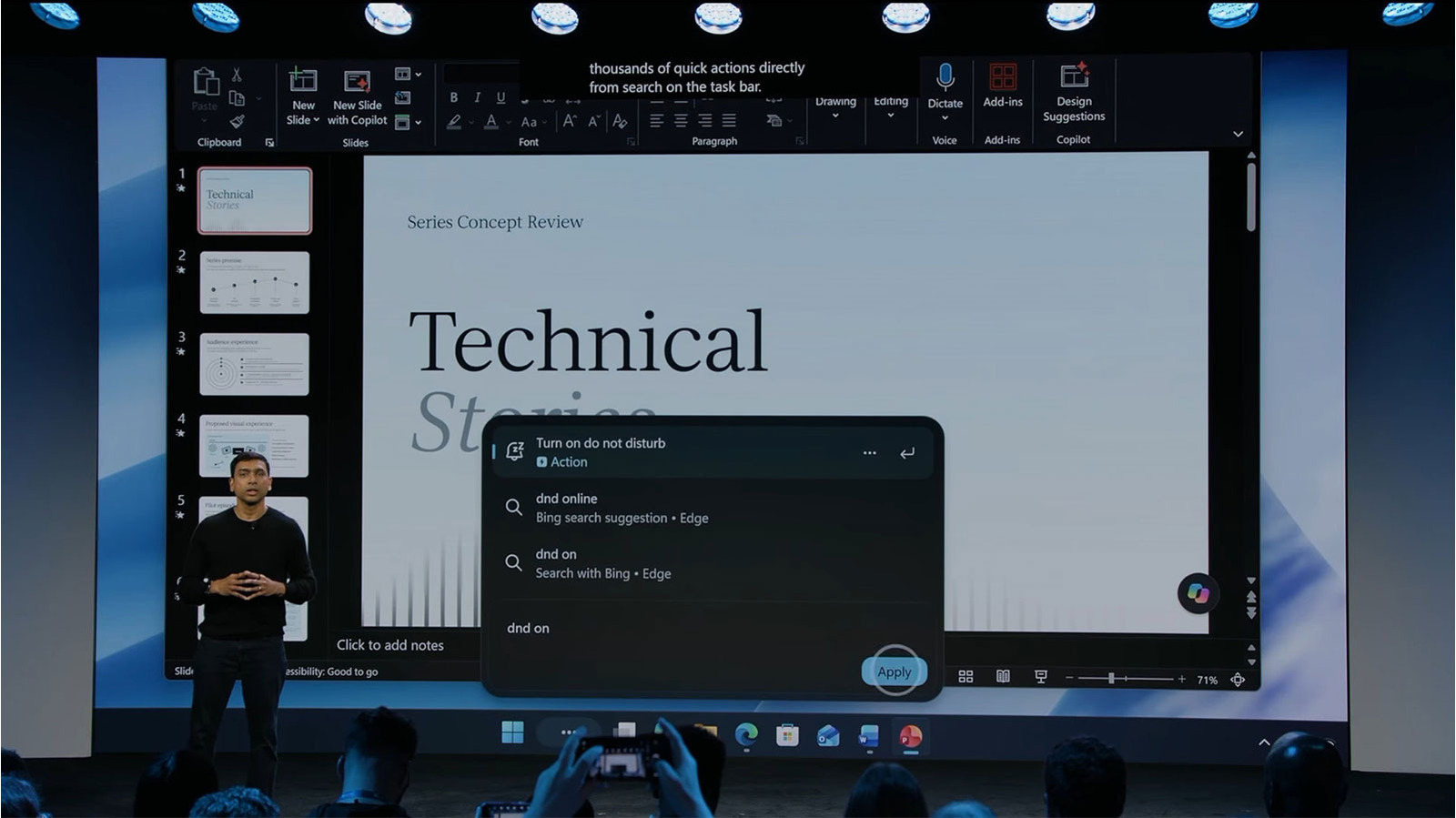
As Engadget reported, Microsoft's Copilot search redesign for Windows arrives this fall, and the framing is that the company may have finally fixed Windows search by turning it into a chatbot. The framing matters more than the feature list. Windows search has been a developer complaint for years, and the proposed remedy is not a faster index or a more predictable query language. It is a conversational layer that interprets intent. For developers, that changes search from a deterministic lookup into a probabilistic one, which is a different category of dependency. A command that returns a file path is auditable. A model that decides which file was meant is not, at least not by the same methods. The fall timing, per Engadget, puts this into the same window in which many teams finalize their year-end development environments. That is a practical consideration, not a rhetorical one: the tooling that ships with an operating system update becomes the default whether or not a team has evaluated it.
The Scale of the Supply Chain Problem
The FakeGit story is the counterweight. As BleepingComputer reported, the campaign reactivated earlier this month and is distributing SmartLoader across more than 17,000 fake repositories on GitHub, with the StealC infostealer as the payload. The number is the point. Seventeen thousand repositories is not a niche nuisance; it is a meaningful fraction of the surface area a developer scans when looking for a dependency, a snippet, or a reference implementation. The campaign's method is impersonation of the ordinary. A developer looking for a library finds something that looks like the library. The volume is what makes it a systemic issue rather than an incident, because at that scale the defense cannot be individual vigilance. It has to be tooling and policy, and tooling and policy are exactly what is being rebuilt around conversational interfaces that reduce the visibility of what is actually being fetched.
Familiarity as a Security and Product Strategy
Atari's 800XL revival, as The Verge reported, is a faithful recreation of an all-in-one 8-bit PC that originally debuted 43 years ago, produced with Plaion, following the company's earlier resurrections of the 2600 and Mattel's Intellivision. Set that beside FakeGit and the pattern sharpens. Both depend on recognition. Atari sells recognition of a machine developers or their parents used. FakeGit exploits recognition of a repository name or a project layout. The mechanism is the same cognitive shortcut, deployed for opposite ends. That is not a moral equivalence, and it should not be written as one. It is an observation about the environment: the developer ecosystem in 2026 rewards pattern-matching at speed, and the same instinct that makes a nostalgic reissue appealing is the one that makes an impersonated repository effective.