Processor Pricing Splits as Memory Costs Reshape the Market
Article

Processor Pricing Splits as Memory Costs Reshape the Market

Raptor Lake discounts, DIY benchmarking, and a Shield TV price hike show how component costs are dividing the processor market into two distinct tiers.

HemeswariOctober 10, 20265 min read

Photo: Tom's Hardware

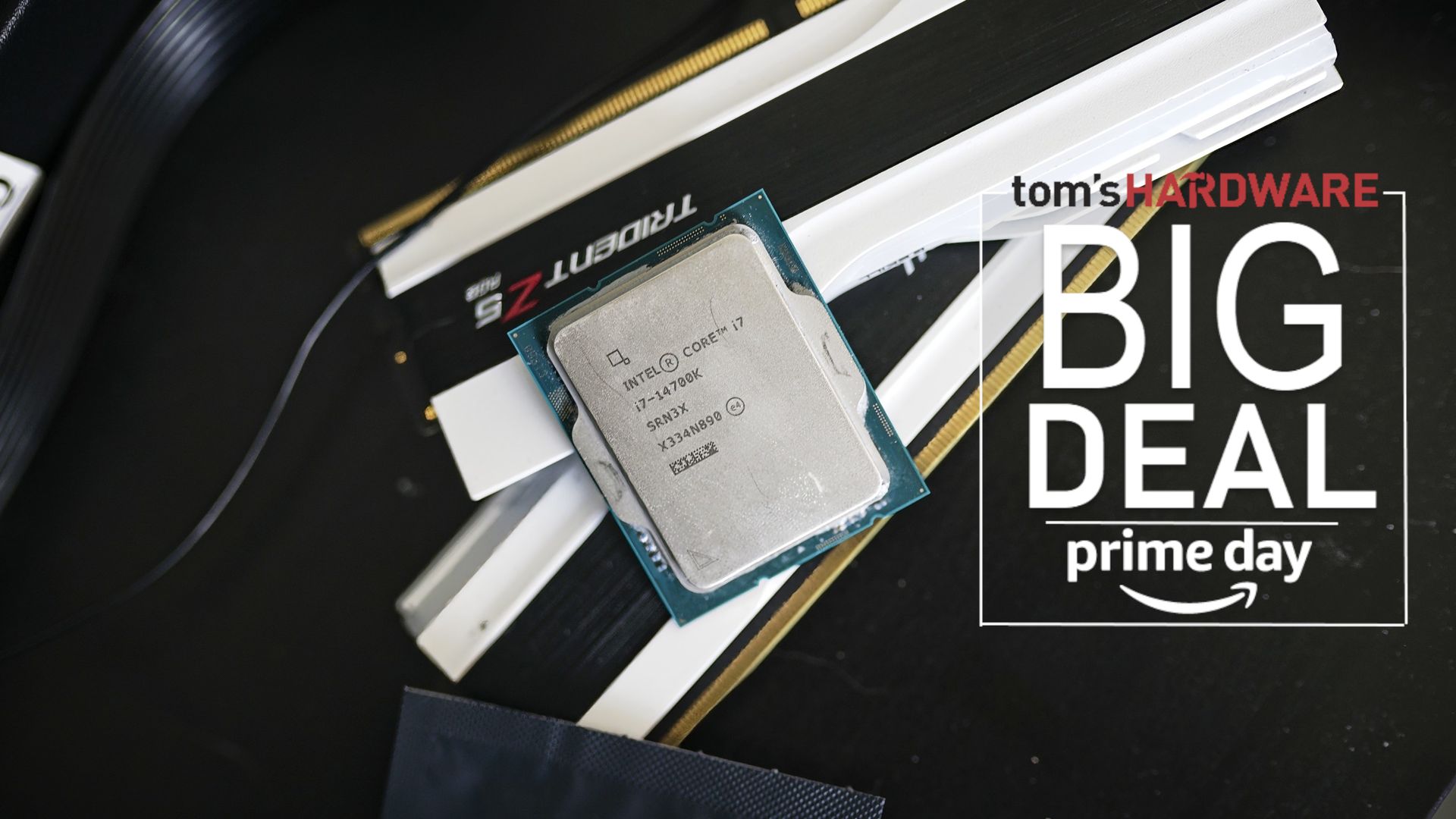
The processor market in October 2026 is splitting in two. On one side, Intel's 14th Gen Raptor Lake Refresh CPUs are finally seeing steep discounts after a year of inconsistent pricing, with some chips hitting all-time lows during Prime Big Deals Day, as Tom's Hardware reported. On the other, Nvidia's Shield TV Pro just absorbed a $100 price increase tied to a memory shortage that has pushed up costs for everything from digital cameras to game consoles, according to The Verge. The common thread is that component economics, not raw performance, are now the primary force shaping what American consumers pay for processors and processor-powered devices.

The Discount Tier

The Raptor Lake Refresh price cuts are notable because they mark a reversal. For roughly a year after launch, Intel's 14th Gen chips held pricing that many buyers found hard to justify against newer alternatives. Tom's Hardware reports that Prime Big Deals Day brought discounts deep enough to reach all-time lows on some SKUs, making this the first genuinely favorable buying window for these processors. That matters for US consumers who have been sitting on older platforms, waiting for a reason to upgrade. It also matters for Intel, which faces pressure to move inventory as newer architectures take the spotlight. Discounting a previous-generation CPU line is a normal part of a product cycle, but the timing and depth here suggest Intel is willing to trade margin for volume in the US retail channel.

The Memory Tax

The Shield TV Pro's $100 price hike tells a different story. The Verge notes that the device launched nearly seven years ago with a Tegra X1+ processor, 3GB of RAM, and 16GB of storage at $199.99, and that the memory shortage has now driven its price up dramatically. This is a processor-adjacent story because the Shield TV Pro's Tegra X1+ is the chip that defines the device, and because the shortage driving the increase affects the memory that processors depend on. When memory gets expensive, every device with a processor and a memory subsystem gets more expensive to build. For US consumers, that means a streaming box that was already seven years old is now significantly more costly, even though its core silicon has not changed. The memory shortage is effectively acting as a tax on processor-powered hardware, and it is being passed directly to buyers.

Two Tiers, One Market

Put the two stories together and a clear pattern emerges. Processors that are abundant and aging are getting cheaper. Devices that are constrained by memory are getting more expensive. The US market is not seeing uniform inflation or uniform deflation in computing hardware; it is seeing a split based on which component is scarce. Raptor Lake CPUs are plentiful enough, and old enough in product-cycle terms, that retailers and Intel can cut prices aggressively. The Shield TV Pro is constrained by memory costs that no amount of discounting on Nvidia's part can offset, especially for a device with a fixed design that is nearly seven years old. The result is that a consumer shopping for a desktop CPU in October 2026 may find a better deal than at any point in the past year, while a consumer shopping for a streamer or a game console may find prices moving the other way. Those two experiences are happening in the same market at the same time.

The Benchmarking Counterpoint

Engadget's recent piece on four simple benchmarks to test PC performance fits into this pattern as a practical response. When pricing is inconsistent and component costs are shifting, consumers need a way to judge whether an upgrade is worth it. Benchmarks let a buyer figure out exactly how their GPU, CPU, and other components are performing rather than guessing. In a market where a discounted Raptor Lake chip might be a genuine bargain or might be a marginal improvement over what is already in the case, benchmarking is the tool that separates the two. The Engadget piece is not about pricing, but it is about the same underlying problem: US consumers are being asked to make upgrade decisions in a market where the usual signals, like a straightforward generational performance jump or a stable price floor, are less reliable than they used to be.

What It Means for US Buyers and Sellers

For US technology companies, the split creates a planning challenge. Intel and its retail partners can clear Raptor Lake inventory with discounts, but that strategy only works for products that are not memory-constrained. Nvidia's Shield TV Pro price hike shows the limits of that approach when the bill of materials is dominated by a scarce component. The Verge's report ties the Shield TV Pro increase to a shortage that has already hit digital cameras and game consoles, which means the pressure is not isolated to one product category. For US consumers, the practical implication is that the best deals in October 2026 are likely to be on CPUs and other components where supply is healthy, while devices that bundle memory into a fixed-price package are more likely to see increases. That is a reversal of the usual assumption that older hardware gets cheaper over time. The Shield TV Pro is nearly seven years old and got more expensive, not less.

What to Watch

The stories above point to two things worth tracking. First, whether the Raptor Lake discounts persist beyond Prime Big Deals Day or fade once the promotional window closes, as Tom's Hardware's report implies they are tied to a specific sales event. If the cuts are temporary, the buying window for US consumers is narrow; if they hold, it suggests a broader repricing of Intel's 14th Gen line. Second, whether the memory shortage that drove the Shield TV Pro's $100 increase continues to spread, as The Verge's report indicates it has already touched digital cameras and game consoles. If it does, more processor-powered devices with fixed designs could see similar increases, and the split between discount-tier CPUs and memory-taxed devices will widen. The benchmarking advice from Engadget remains relevant in either case, because the only reliable way for a US consumer to know whether a discounted processor is actually a good deal is to measure what it replaces.

More on this beat: Hardware on TechManNews.

#Intel#Nvidia#CPU pricing#memory shortage#US consumers#Raptor Lake

Newsletter

Get Tech News in Your Inbox

The latest AI, gadgets, software and startup stories from TechManNews, delivered every morning - free.