The laptop stories worth watching today are not about laptops at all. They are about power: a discounted multi-port GaN charger from Ugreen, a reader question about whether using a MacBook while charging harms its battery, and a wave of OLED gaming monitor deals for Amazon Big Deal Days 2026. In each case, the user's actual decision is about how electricity moves into and through a machine, not about the machine's processor or display specs.
That is the thread. As laptop hardware has matured, the interesting engineering and the interesting consumer spending have migrated to the power layer - chargers, ports, battery-management behavior, and the peripherals that must stay fed. The three stories are not a product roundup. They are evidence that the purchase decision for a laptop in 2026 is increasingly a purchase decision about its power ecosystem.
A Discounted Charger Is the Real Laptop Story
The most concrete of the three items, as covered by Tom's Hardware, is Ugreen's 100W four-port GaN charger, currently 27 percent off and $15 cheaper on Amazon. The pitch is deliberately broad: enough output to charge a laptop before work, a phone, or a tablet for travel, all through USB Type-C.
Read that again. The charger is being marketed as a laptop charger that also happens to handle everything else. The laptop is no longer assumed to have a dedicated power brick that lives in a bag and never leaves. It is assumed to share a single GaN device across a household's worth of electronics.
This is a meaningful shift for US consumers. For years, the laptop manufacturer supplied the charger, and that charger was effectively proprietary. The move to USB-C power delivery has made the charger a competitive category with its own brands, its own price cycles, and its own deal moments. Ugreen is not a laptop maker. It is selling into a gap the laptop makers left open: the fact that a buyer with a laptop, a phone, and a tablet may prefer one brick to three.
The discount itself is small - $15 - but the timing matters. It is being surfaced as a deal in the same window as the monitor promotions below. American buyers are being trained to solve their power needs during retail events rather than at the point of laptop purchase.
The Battery Question Is the Same Question
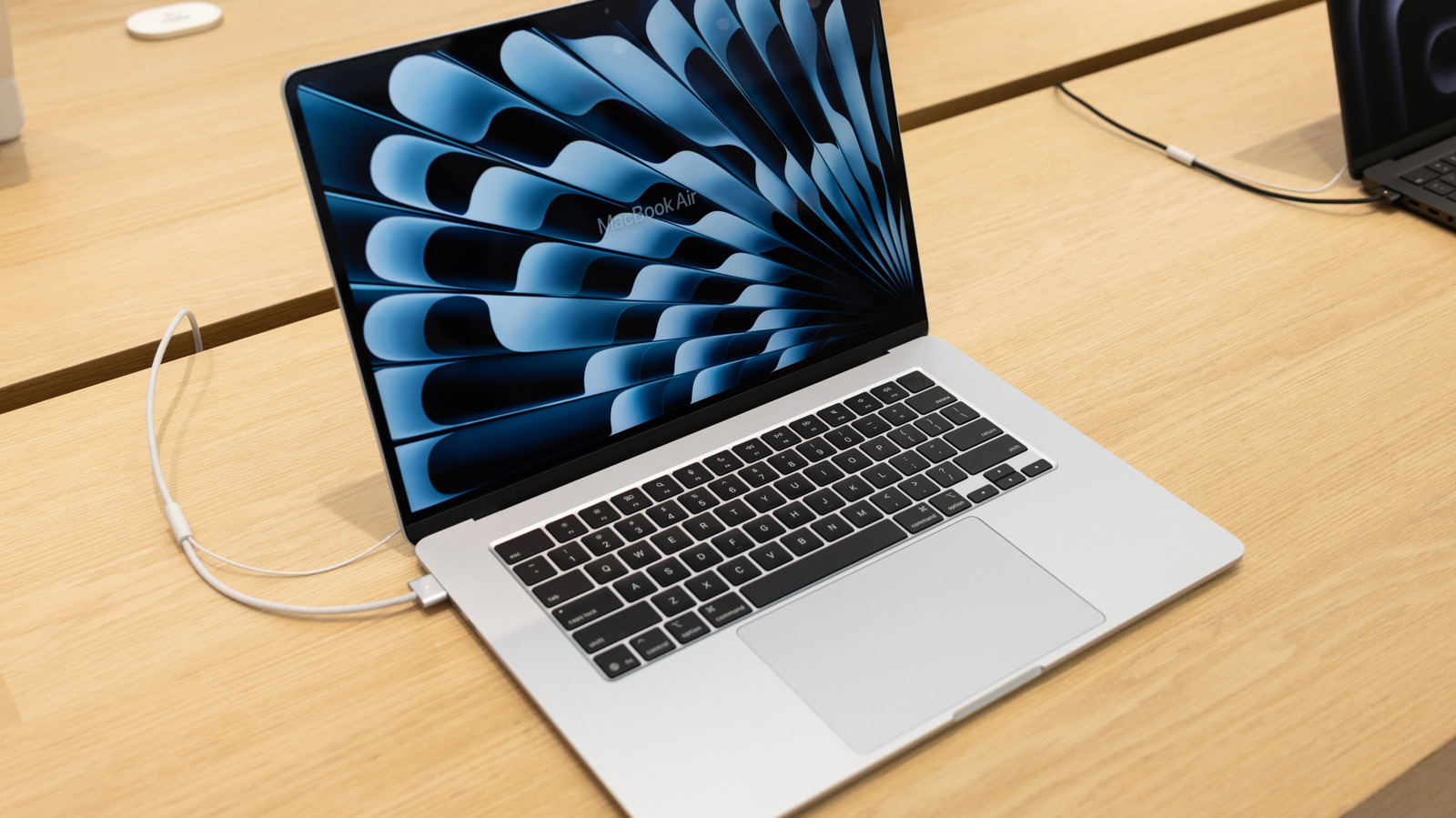
Engadget's recent piece asks how using a MacBook while charging affects battery life, and answers that modern MacBooks are pretty smart about managing battery health. That is a reassuring answer, and it is also a revealing one.
If the answer were obvious, the question would not be worth asking. The fact that Engadget is fielding it tells us that laptop owners do not trust the power behavior of their own machines, or at least do not understand it. They have heard competing folk wisdom - that plugged-in use is fine, that it is harmful, that it depends - and they are looking for a verdict.
The verdict, per Engadget, is that the software handles it. Modern MacBooks manage battery health on the user's behalf. That is good news for Apple, and it is a competitive standard for everyone else. It also explains why the charger story matters so much: if the laptop is smart about when to accept power, then the user's job is mostly to supply clean, sufficient wattage through a convenient port. The intelligence has moved into the device; the hardware burden has moved out to the accessory.
For US consumers, this is a quiet improvement in ownership economics. A laptop that tolerates being plugged in while in use is a laptop that can function as a desktop replacement without anxiety. That is a large part of why the desktop-replacement category persists in the American market, where home office setups often mean one machine doing two jobs.
Monitors Are Part of the Same Power and Desk Story
Tom's Hardware also notes that OLED gaming monitors are hot right now, and that Prime Big Deal Days is an excellent time to be in the market for one. On its face, that is a display story. On this beat, it is a desk story.