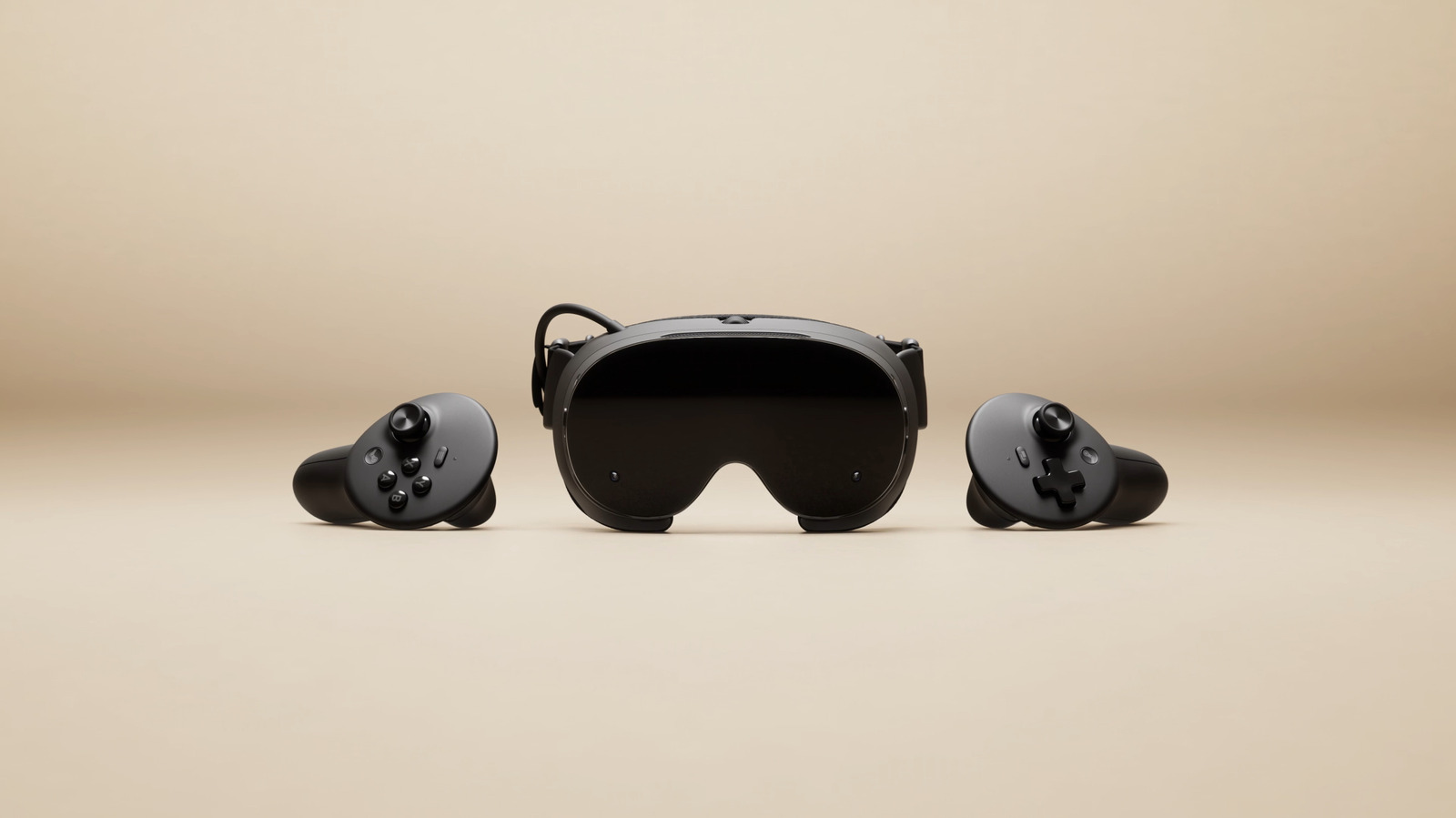
iFixit's teardown of the Steam Frame found that the cooling fan is the hardest component to reach, requiring extensive disassembly before it can be serviced. Getting to the fan means navigating past the optical assemblies and through a dense collection of thermal hardware and cables. The fan and heat pipe are separate components, which iFixit counted as a positive, but the difficulty of accessing the fan remains a concern. Fans collect dust and eventually wear out, so burying one this deep makes the Steam Frame a more difficult repair than it might otherwise have been.
The rest of the headset paints a more encouraging picture. The head strap comes off through quick-release latches, which makes it easier to work on the rear battery pack without disturbing the displays. The sweat-absorbing parts, including the nose bridge and the face and headrest cushions, are replaceable, a plus for hygiene. The lenses attach magnetically to the IPD rail, making display and eye tracking repairs relatively straightforward, though removing them still involves screws and cables. Overall, iFixit found it a fairly approachable repair by VR standards, with no need to dig out the motherboard.
There are other catches. The battery lacks release tabs, and iFixit removed it using isopropyl alcohol and gentle prying. The controllers' thumbsticks are soldered to their boards, so replacing a broken one would be more involved than users might expect.
Replacement parts will eventually be sold through iFixit's store. Although iFixit is Valve's repair partner, it said the headset maker had no input on the teardown or the editorial process. Replacement batteries will not be available when the Steam Frame parts store goes live, an omission iFixit said it hopes to change. Replacement displays also will not be available at launch.
Valve does offer warranty repairs and replacements for covered devices, but that does not negate the importance of DIY support. The teardown reveals a surprisingly repairable VR headset. Whether buyers want one is another matter. Starting at $1,059, the Steam Frame costs considerably more than the Meta Quest 3, without delivering an equivalently upgraded experience.
The headset is powerful and comfortable and includes standalone support for many Steam games, among them Half-Life: Alyx. It also offers wireless PC streaming and microSD expansion. On the whole, it feels like a headset that would have made more sense several years ago, when developers were investing more resources in VR software. Its high price, in part attributed to RAMageddon, combined with its late arrival makes it a tough sell despite the solid repairability.
More hardware news from TechManNews.