The Fine Print Built Into Every Smartphone

Photo: Engadget

Article

The Fine Print Built Into Every Smartphone

ManishankarOctober 11, 20265 min read

Three recent reports on Pixel, iPhone alarm and camera quirks point to the same thing: phones ship with hard limits most buyers never read about.

The Pattern Underneath the Quirks

Three recent stories logged on this beat - a Google Pixel support timeline, a hidden limit in the iPhone clock app, and camera interference from strong magnets - look unrelated. They are not. Each describes a boundary baked into a phone at the factory: a cutoff set by the manufacturer, an arithmetic edge in software, or a physical tolerance that accessories can exceed. The common thread is that the defining constraints of a modern smartphone are invisible at the point of sale and rarely appear in marketing. They surface later, usually when a user runs into them.

Support as a Fixed Clock

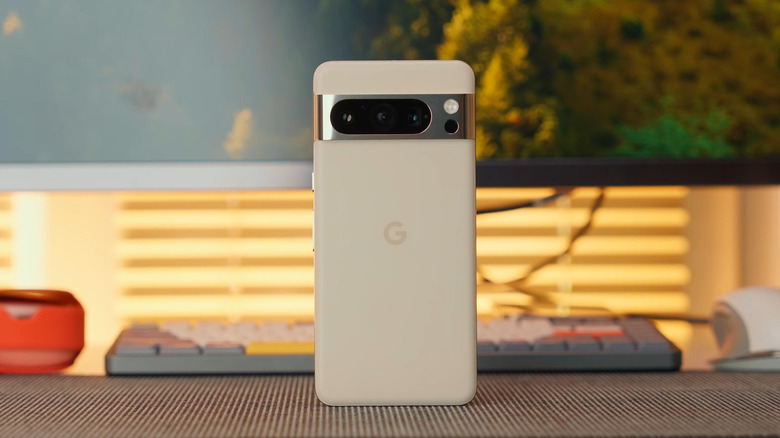
Engadget reported how long a Google Pixel phone will receive software updates, framing support as a set lifetime tied to when the device first went on sale. That is a different model from the one consumers tend to carry in their heads. Buyers often assume the clock starts when they open the box, or that a phone kept in good condition earns extra years. Neither is true. The meter begins at launch, which means a device bought well after release - a discounted model, a carrier promotion, a refurbished unit - arrives with part of its supported life already spent.

Once that window closes, Engadget notes, users have few options for continuing to use the phone securely. That is the part worth dwelling on. The hardware may still work. The screen may be unmarked, the battery healthy, the camera sharp. But the security posture of the device decays, and the user's choices narrow to replacement or acceptance of risk. There is no widely available consumer path that simply extends the clock. Support is not a feature users can buy back.

For US consumers, this reframes the trade-in and resale math. A phone's useful life is capped by a calendar the buyer did not set and cannot see at the register. The length of that calendar is a genuine differentiator between manufacturers, yet it sits in specification sheets and support pages rather than in advertising. The practical advice embedded in the reporting is unglamorous: check the support window before buying, particularly on a device that has already been on the market for a while.

A Limit Most Users Never Reach

Engadget also noted an oddity in the iPhone clock app: alarms can be set to essentially any time, but there is a hidden boundary to how far those choices stretch. Most users will never encounter it, because most alarms are set for hours or days ahead, not for a distant future. The limit exists regardless, sitting quietly in software that millions of people rely on daily.

This is a small example of a large category. Software carries edges that are not advertised because they almost never matter - until they do. An alarm set far enough out is exactly the kind of edge case that turns into a surprise. The user has no reason to suspect a cap, so the failure, when it arrives, looks like a bug rather than a documented boundary.

The broader point is about expectations. Consumers treat mature, familiar apps as unlimited by default. The reporting shows they are not. The limit is generous enough to be harmless in ordinary use, which is precisely why it stays unknown. It is a constraint designed around typical behavior, not around the full range of what the interface technically permits.


Physics Does Not Read the Manual

A third Engadget report covers strong magnets interfering with the iPhone's rear-facing camera. Magnetic accessories are common and often useful, and the story's guidance is simple: make sure they are not interfering with the camera. There is no software setting to check and no notification to dismiss. The constraint here is physical.

The contrast with the other two stories is instructive. The support timeline is a policy decision made by a company. The alarm limit is an implementation choice made by engineers. Magnetic interference is neither. It is a property of the hardware and the world around it, and it applies whether or not the user is aware of the accessory's field. A case, a mount, or a magnetic attachment that seemed perfectly compatible can affect a component the user never connects to it.

Together the three stories describe the layers that bound a smartphone: commercial, coded, and physical. None of them is prominently disclosed. All of them shape what the device can actually do for the person holding it.

What This Means for the US Market

The US smartphone market leans heavily on trade-ins, installment plans, and carrier promotions. In that environment, the launch-based support timeline is not a footnote. It quietly determines how long the device a consumer finances will remain secure, and it shapes resale value in ways buyers may only discover later. A phone's price is visible; its supported lifetime often is not.

There is also a competitive dimension. Support duration is one of the few concrete, checkable differences between brands, and it can be verified before purchase. But the market tends to reward what is advertised. Camera systems, display refresh rates, and design get prominent billing, while update commitments live in support documentation. Consumers who want to compare devices on longevity have to go looking.

The Apple examples point to a different kind of asymmetry. Users reasonably expect a mature alarm app and a mainstream magnetic accessory to behave as advertised, and generally they do. The hidden limit and the magnetic interference are not failures of quality so much as reminders that boundary conditions exist outside normal use. For most buyers, the correct response is awareness rather than alarm. For the small number who hit the edges, the remedy is not always available.

What to Watch

Three concrete things follow from the reporting above. The first is whether the length of Pixel support windows changes, since Engadget frames the current arrangement as fixed at the time of sale - a structure that leaves late buyers with less. The second is whether Apple's hidden clock-app limit remains an unmentioned curiosity or becomes something the company documents, given that most users will never reach it. The third is whether magnetic accessory makers do more to flag camera interference, since the guidance is currently something users have to know to look for.

None of these is a crisis. Each is a reminder that the most consequential terms of a smartphone are written before the buyer arrives, in policies, code, and physics, and that reading them is the only way to know what was actually purchased.

More on this beat: Gadgets on TechManNews.

#smartphones#Google Pixel#iPhone#software support#consumer hardware

Newsletter

Get Tech News in Your Inbox

The latest AI, gadgets, software and startup stories from TechManNews, delivered every morning - free.