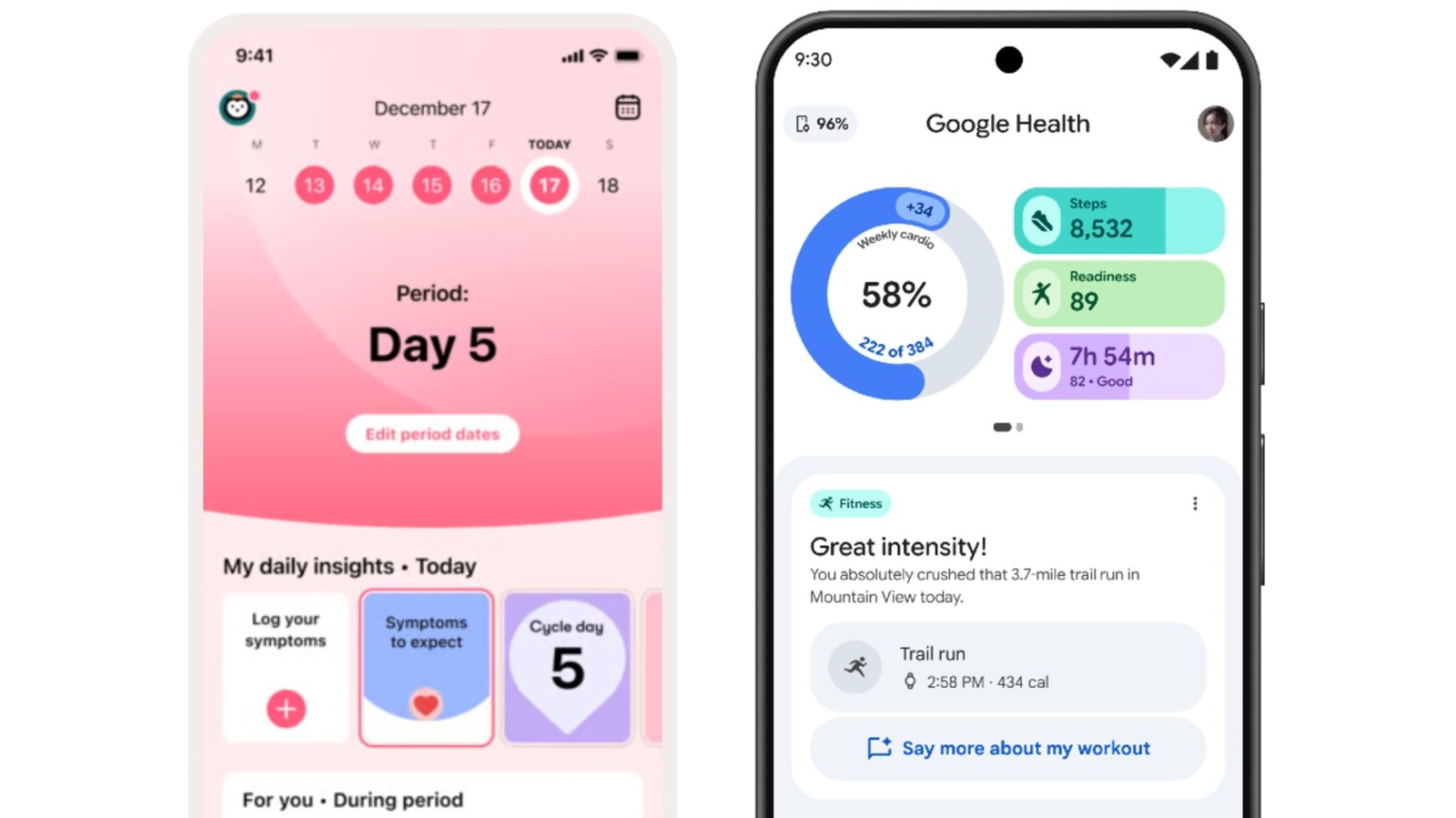
The recent wearables news points in one direction: the category is moving past measurement and into intervention. Google is pushing sleep detection from the wrist to the ear, a leaked Fitbit Edge suggests the company is still segmenting its tracking hardware by price, and a new startup wants to build a wearable brain-computer interface that does not just read signals but acts on them. The common thread is that the next competitive fight is over what a device does with what it senses, not how much it senses.
From Counting to Acting
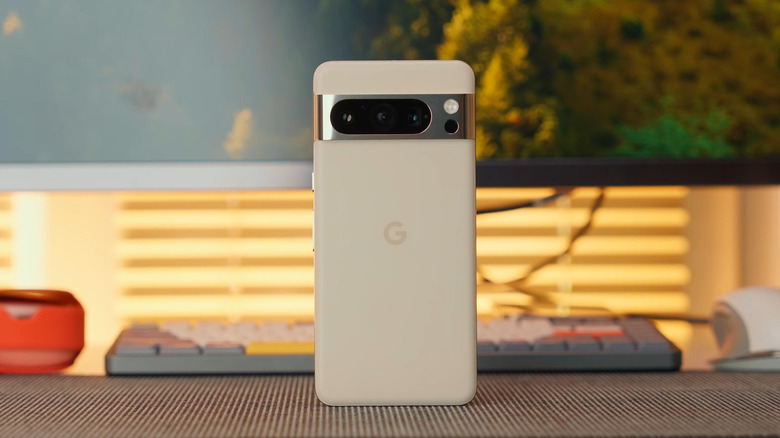
For most of the past decade, the wearable value proposition was passive: count steps, log heart rate, score your sleep, show a chart in the morning. The Pixel Buds update described by The Verge breaks that pattern in a small but telling way. Google has detailed a slew of new features rolling out now to the Pixel Buds 2A and Pro 2, first teased in August, and the biggest addition is Pixel Watch-powered sleep detection that reaches both pairs of earbuds. The interesting part is not that earbuds can detect sleep. It is that the detection is enabled by another device on the body, and that the resulting data is meant to feed a system that reacts. Sleep detection on earbuds only matters commercially if the buds then do something with it.
That is the shift. Sensing hardware is becoming a trigger for a response.
The Ear Becomes a Sensor Platform
Google is not the first company to notice that the ear is a useful place to measure from. It is one of the first to route that measurement through an existing wrist product rather than treat the earbuds as a standalone tracker. The Pixel Watch-powered framing matters because it tells US consumers what Google thinks the earbuds are for: extending the reach of a wearable ecosystem rather than replacing it.
For US technology companies, this is a strategic argument about attachment. A pair of earbuds that only plays audio is a commodity. A pair of earbuds that contributes physiological data to a larger platform is stickier, and it gives the platform a reason to keep the user inside one brand. The Pixel Buds update is small on its face. As a signal about where the effort is going, it is not.
Fitbit Edge Shows the Price Ladder Is Still the Strategy
Meanwhile, the leaked Fitbit Edge details reported by The Verge, following earlier images, point to a company that is still building a ladder of tracking hardware at different price points. The Edge will reportedly sell for €179 in Europe and £159 in the UK, according to leaked details shared by Dealabs, which sits above the €99/£85 tier the report compares it to.
That comparison is the story. Google is not collapsing its wearable lineup into one do-everything device. It is keeping an entry tier and adding a higher tier, which means the company expects US buyers to keep choosing on price and feature set rather than on the promise of a single flagship. For US consumers, the practical effect is more choice at the low end and a clearer premium step above it. For Google, it is a way to hold the budget buyer without giving up the margin on the enthusiast.
What ties this to the Pixel Buds update is that both moves assume the value is in the software layer. The hardware comes in tiers; the intelligence is supposed to be shared across them.
The Ultrasound Bet Moves the Goalposts
Bridge Neurotech, the new startup reported by Wired, is planning a wearable brain-computer interface that uses ultrasound. That is a different kind of ambition from sleep tracking on earbuds, but it belongs in the same arc. A brain-computer interface is the purest version of the intervention thesis: read a signal and act on it, in this case at the level of neural activity rather than sleep stages.