The pattern running through this week's app news is not partnership, funding, or format. It is capture. Google is tying its health app to Flo's cycle tracking, a former Plaud executive has raised $26M for an app that listens in the background, and streaming services are chasing vertical video as a genre in its own right. Each move is an attempt to secure a continuous stream of personal data before a competitor does, and to make that stream the foundation of the service rather than a byproduct of it.
The shift from sessions to streams
Most consumer apps of the past decade were built around sessions. A user opened the app, did a thing, and left. The business model rewarded engagement inside that window. The products in this week's material are built around something different: a persistent connection that keeps producing data whether or not the user is actively looking at a screen.
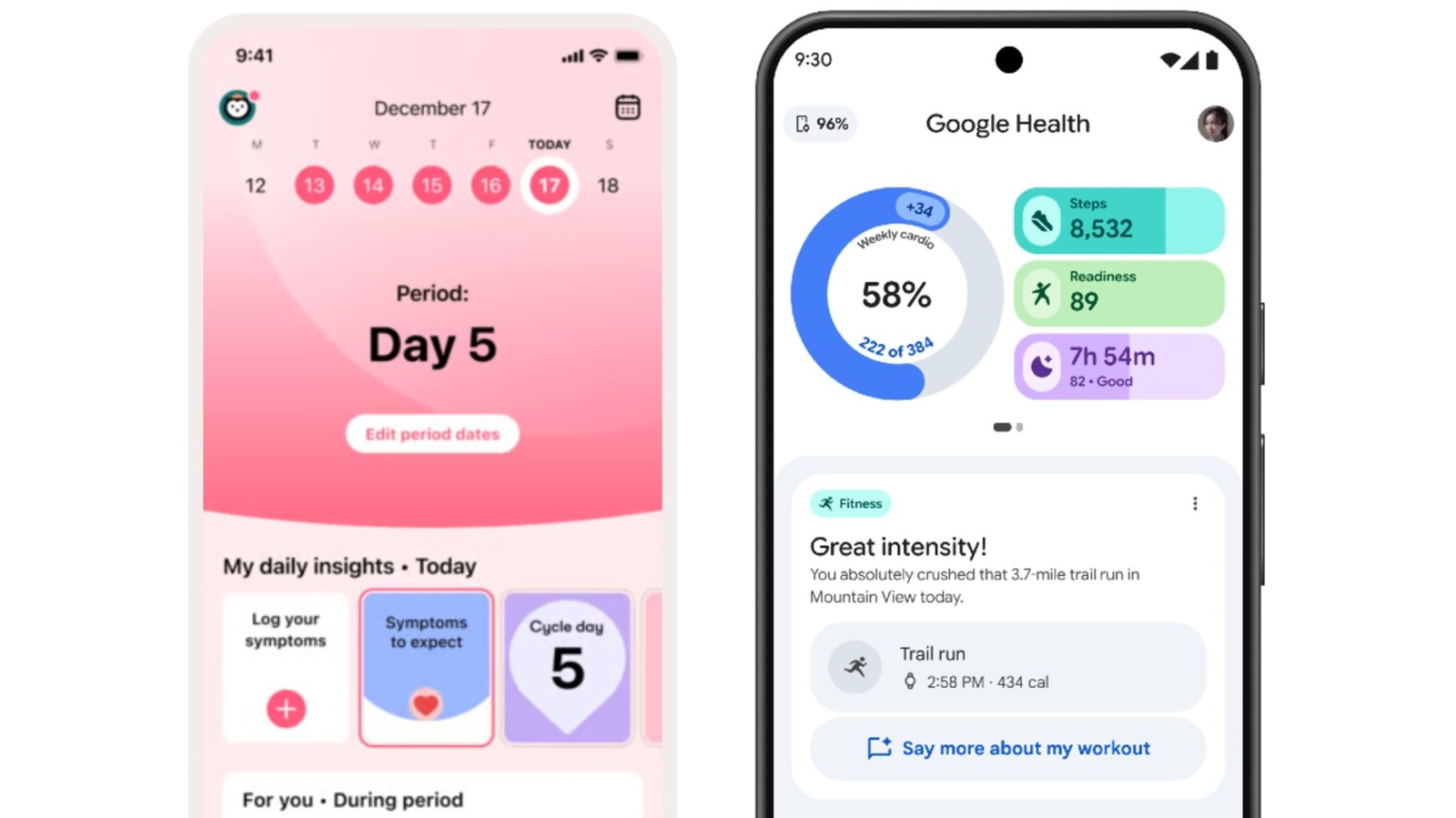
Flo already has years of cycle data from its users. As Engadget reported, the Google partnership will let Flo Health users sync their cycle data with the Google Health app starting early next year. That is a stream being redirected into a broader platform. Ambi, meanwhile, is releasing apps for iPhone, Mac, and Apple Watch that enable ambient capture, per TechCrunch. Ambient capture is the purest version of the stream model. The app's value depends on being always on, which means the data it collects is only useful if the user forgets it is there.
The vertical-video story fits the same logic. The Verge reported that from Disney Plus to HBO Max, nearly every major established streaming service is experimenting with ways to get into vertical content, and that these companies see video-focused social platforms like TikTok and Instagram as existential threats. Vertical video is not just a format. It is a stream of short, continuous, algorithmically readable signals about what holds attention.
Why the health app is the new front door
The Google-Flo arrangement matters because it moves cycle data out of a single-purpose app and into a general health platform. For US consumers, that can mean fewer places to enter the same information and more useful cross-referencing. It also means the terms on which that data is held, shared, and monetized become a Google question as much as a Flo question.
For US technology companies, the strategic logic is clear. Health data is among the few categories that users will keep generating daily, that advertisers cannot easily replicate, and that regulators treat with specific care. Owning the sync layer between a specialist tracker and a general health app is a way to become infrastructure without building every tracker. Google does not need to win menstrual health tracking. It needs Flo's users to route their data through Google Health.
That is a different competitive posture from the one that dominated the last app cycle, when platforms tried to build or buy the best standalone app. The current approach is to be the place where other apps' streams terminate.
Ambient capture tests the limits of consent
Ambi's raise, reported by TechCrunch, is a bet that users will accept an app that listens in the background. The form factor matters: iPhone, Mac, and Apple Watch are all devices people already wear or carry. The pitch is not a new habit but an invisible one.
This is where the stream model runs into US consumer expectations. Ambient capture produces data continuously, which makes meaningful consent difficult to design. A user can agree to an app listening in the background in the abstract, but the practical consequences show up later, in stored audio, transcripts, or summaries. The $26M funding figure signals investor confidence, not user comfort. The gap between those two is the real story for the apps and services beat.
It also raises a competitive question. If ambient capture works, it becomes a default feature rather than a product. Apple, Google, and Microsoft already control the operating systems on which Ambi depends. A standalone ambient app is a proof of concept for a capability that platform owners can absorb.