The semiconductor industry's competitive frontier has moved away from raw performance and toward the physical realities of making, cooling and protecting chips. Three recent stories on this beat - Niobia's defect detection for production lines, a supply chain attack on hardware crypto wallets, and xMEMS's mass production of solid-state cooling chips - all point in the same direction. The companies gaining ground are those solving problems at the point where silicon meets the physical world, not those pushing another generation of headline specs.
Measurement as a Product
Niobia, a San Francisco startup, is selling something that would have seemed like a service rather than a product a decade ago: the ability to spot defects on battery and chip production lines before they become expensive. As TechCrunch reported, the company's pitch is straightforward - reduce downtime and costly mistakes for manufacturers.
The significance is not that defect detection is new. It is that it has become a standalone business at all. Chip fabrication has always been capital-intensive, but the cost of a missed defect scales with the complexity of what is being built. When a production line is running advanced nodes or battery chemistries, a single undetected flaw can waste not just materials but days of output. Niobia is effectively arguing that the value of catching a mistake early now exceeds the cost of the tooling needed to catch it. That is a bet on manufacturing economics, and it is one that US chipmakers and their suppliers will have to weigh as they expand domestic capacity.
Cooling Becomes a Chip Problem
xMEMS Labs said it has started mass production of its XMC-2400 and XMC-4800 chips, which are designed to cool AI hardware. As SiliconANGLE reported, the company claims no one has commercialized solid-state active cooling at this scale before. The chips target AI glasses, smartphones and data centers - three very different form factors that share one constraint: heat.
The timing matters. AI workloads have pushed thermal limits in places where conventional fans either do not fit or cannot keep up. Glasses and phones have almost no room for moving parts. Data centers have room but face their own pressure to reduce power consumption. A solid-state cooling chip addresses both by replacing mechanical motion with a semiconductor process. If xMEMS can deliver at volume, it inserts itself into the bill of materials for a broad range of AI devices. That is a hardware play, but it is also a strategic one: whoever controls the thermal layer controls a constraint that every AI device maker is currently trying to design around.
Security Moves Into the Silicon Supply Chain
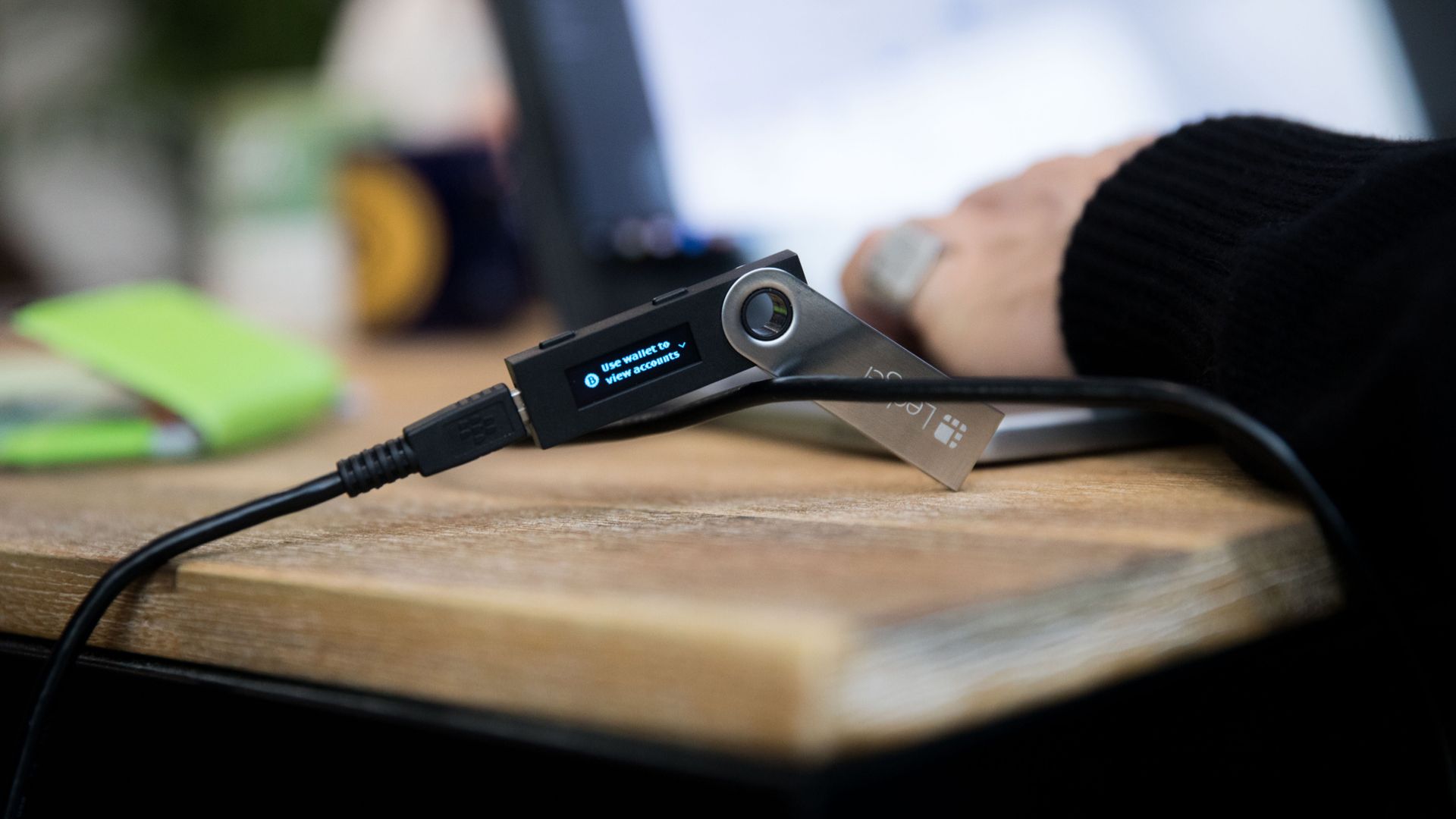
A supply chain attack on store-bought Ledger hardware crypto wallets in Southeast Asia and Europe put the stakes in sharper relief. As Tom's Hardware reported, the compromised devices had secret chips installed - implanted eSIM and LTE modules - that enabled the theft of crypto recovery phrases. The losses reached $71 million and were still counting.
This is not a software vulnerability. It is a hardware integrity failure. The wallets were bought through normal retail channels, which means the compromise happened somewhere between the factory and the customer. For US consumers and companies that rely on hardware security modules - not just for crypto but for any application where a private key or credential lives on a physical device - the lesson is that the chip itself can be the attack surface. The defense has to include provenance, tamper detection and supply chain visibility at the component level. That is a chip problem, not a cryptography problem.