The laptop industry is entering a phase defined by two converging forces: an arms race in premium hardware design, and a steady upward creep in pricing that is reshaping what American consumers expect to pay. Three recent stories on this beat - Microsoft's Surface Laptop Ultra launch, a behind-the-scenes look at how Microsoft builds its MacBook Pro competitor, and a comparison of MacBook Pro pricing over time - all point to the same underlying pattern. The companies that make laptops are competing less on volume and more on engineering prestige, and that strategy carries consequences for buyers.
Microsoft's Premium Push Goes Public
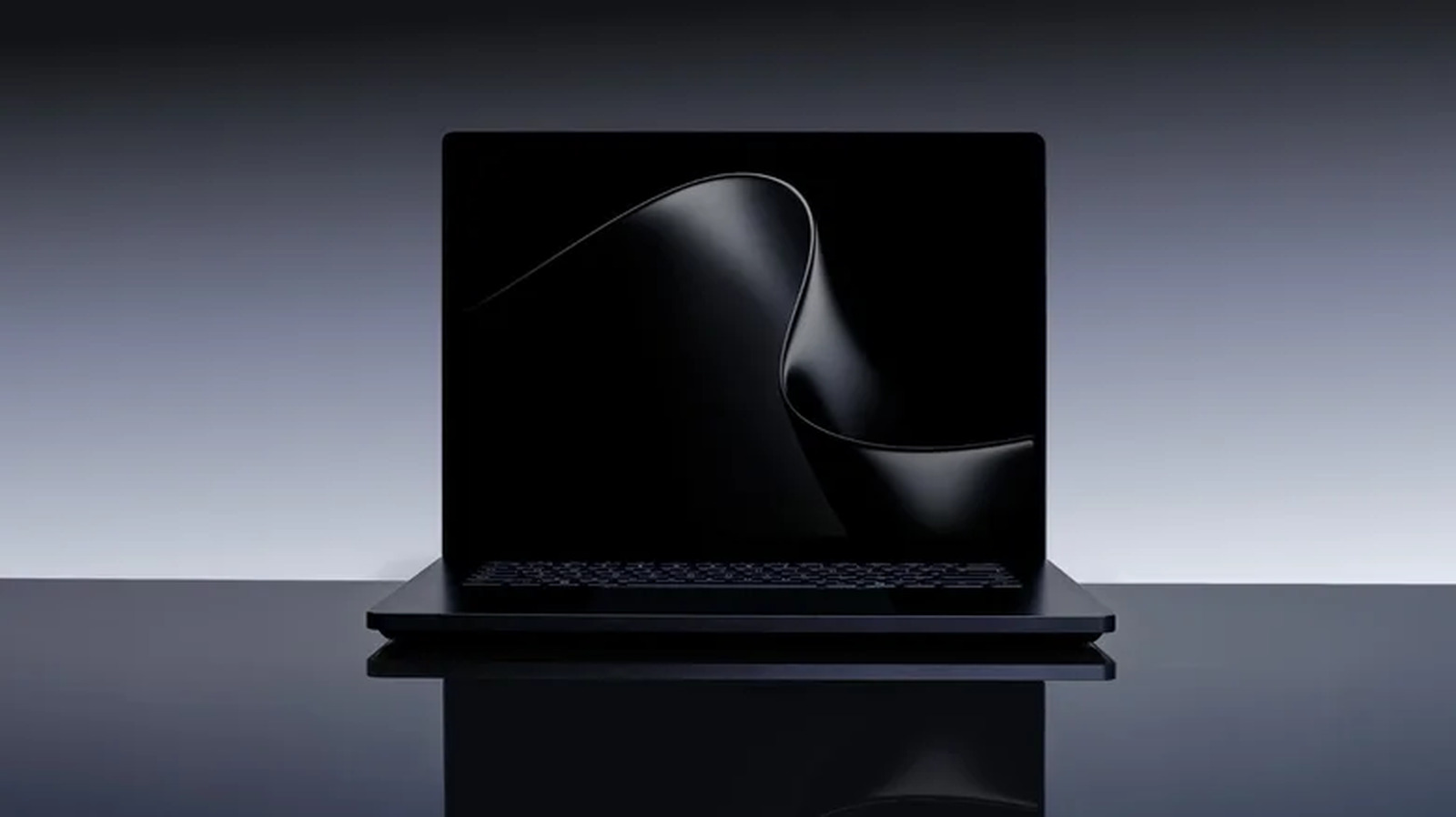
Microsoft's Surface Laptop Ultra is now available for pre-order, according to Tom's Hardware. The company revealed new Windows 11 features, a magnetic USB Type-C port, and confirmed the system will work with "hundreds" of video games. The inclusion of gaming compatibility is notable for a device line that has historically been positioned as a productivity-first machine. It signals that Microsoft is no longer content to let the Surface line occupy a narrow professional niche. Instead, the company is building a device meant to compete across multiple use cases - work, creative tasks, and entertainment - against a backdrop where Apple's MacBook Pro has long dominated the premium tier.
The magnetic USB Type-C port is a smaller but telling detail. It suggests Microsoft is willing to experiment with hardware design elements that go beyond spec-sheet competition. In a market where processors and memory configurations often converge, physical design choices become a way to differentiate.
The Lab Behind the Laptop
The Verge's report on Microsoft's Surface development lab in Redmond, Washington, adds important context to that launch. Before a device reaches the public, it goes through a windowless, warehouse-like facility where robots press buttons thousands of times, antennas pelt devices with radio waves, and durability testing is automated at scale. This is not marketing fluff. It is an indication of how much capital and time Microsoft is willing to spend to credibly compete at the high end.
That investment matters because the premium laptop segment is unforgiving. Buyers at higher price points expect not just performance but reliability, build quality, and longevity. The lab exists because Microsoft knows that a single generation of flawed hardware can damage a product line's reputation for years. For US technology companies watching Microsoft's playbook, the message is that competing with Apple now requires industrial-scale testing infrastructure, not just good components.
The Price Trajectory Nobody Wants to Talk About
Engadget's comparison of MacBook Pro pricing between 2021 and 2026 frames the other side of this story. The headline conclusion - that things are getting a lot more expensive - is not surprising on its own. But it becomes more significant when read alongside Microsoft's premium push. If Apple's flagship laptops have risen in price over a five-year span, and Microsoft is investing heavily to compete in that same tier, then the entire premium laptop category is drifting upward.
For US consumers, this creates a narrowing set of options. The entry-level laptop market still exists, but the devices that get the most attention, the most engineering investment, and the most feature innovation are increasingly concentrated at higher price points. That is a shift from earlier eras when midrange laptops received meaningful annual upgrades. Now, the most interesting hardware work - new ports, gaming compatibility, advanced testing - tends to appear first in premium machines.