Four recent hardware stories, read together, describe a single squeeze: the industry keeps selling deeper engineering - light sources, packaging layers, optical sensors - while the experience delivered to the buyer improves unevenly, and the price tag does not. The gap between technical ambition and felt benefit is becoming the central problem for US hardware makers and the consumers who fund them.
Engineering Depth as a Selling Point
Elon Musk's Terafab will reportedly take its first EUV tool from ASML in mid-2027, according to Tom's Hardware. The detail that matters is not the machine but the compromise: Musk may prefer free-electron laser light sources for in-house chip production, yet Terafab will start with proven ASML technology. That is a familiar pattern in American semiconductor ambitions - the most interesting version of the plan is not the one that ships first. A fabrication plant built around an unproven light source would be a bet on physics and schedule at the same time; starting with established lithography trades differentiation for the ability to actually produce. For US chip efforts chasing leading-edge capability, the lesson is that the manufacturing base is a constraint measured in years, not announcements.
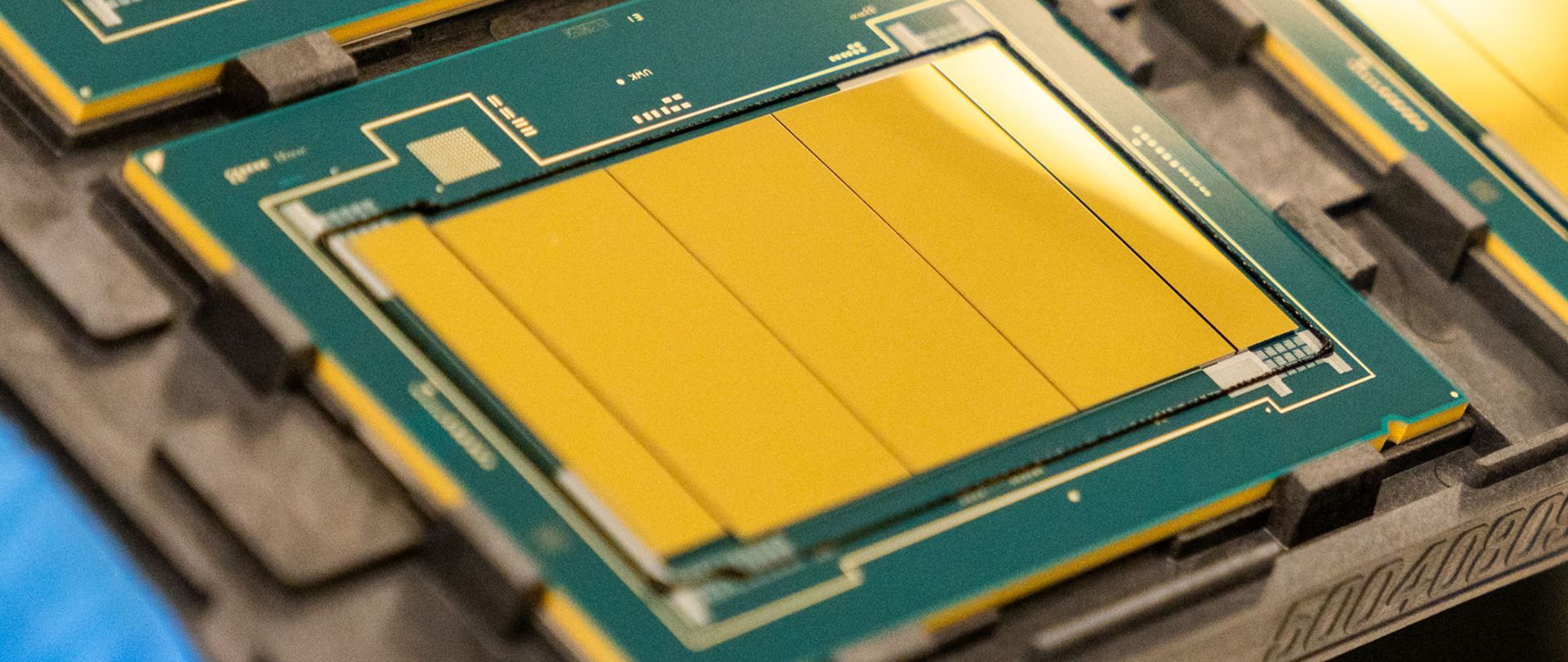
Intel's packaging story runs the same direction. As Tom's Hardware notes, Intel was the first large chipmaker to adopt advanced packaging methods, between 2017 and 2019, with EMIB and Foveros. Today those technologies are the subject of a roadmap review rather than a victory lap. Advanced packaging is where performance gains increasingly come from once transistor scaling gets expensive, so Intel's position matters for the whole US compute supply chain - but a head start in 2017 does not automatically convert into a lead in 2026. Both chip stories point at the same thing: the hard, capital-intensive layers of hardware are where the competition actually happens, and where timelines are longest.
The Consumer Version of the Same Squeeze
The Breville Eye Q toaster, reviewed by Wired, uses optical sensors to measure the darkness of your toast. It is a genuinely interesting piece of engineering - a closed-loop control system applied to a kitchen appliance. Wired's verdict is that the sensors are neat but the toasting quality needs improvement. That is the consumer-side mirror of the Terafab compromise: the sophisticated subsystem works, and the outcome the customer bought the device for does not fully arrive. A toaster that measures toast precisely but does not make better toast has solved a problem the buyer did not have.
Apple's new Apple TV 4K adds onboard microphones and a better processor, per CNET, and arrives at a price CNET describes as roughly three times that of Roku's top streamer. Again the added capability is real and the value proposition is contested. Onboard microphones imply always-listening-adjacent functionality that many US households are wary of, and a faster processor is difficult to notice on a device whose job is playing video. When the price multiple is that large relative to the top of a competitor's line, the extra hardware has to justify itself in daily use, not in a specification sheet.
Why the Premium Keeps Widening
These are not unrelated anecdotes. The cost structure of American hardware has shifted toward the expensive end of the stack. Leading-edge fabrication, advanced packaging and precision sensing all require capital, specialized equipment and long lead times, and those costs get passed along. Meanwhile, the cheap end of the market is good enough for most tasks: streaming boxes are commoditized, and basic appliances toast bread. That combination - rising engineering cost at the top, adequate performance at the bottom - is what produces a three-times price gap between a premium streamer and the best a rival offers.