The smart ring is no longer just a fitness tracker. Two recent developments - Natura's $99 Interface ring that summons AI agents and Ultrahuman's partnerships with Abu Dhabi - point to a single pattern: the wearable is becoming a two-way interface, both for AI services and for government health systems. For US technology companies, that shift raises a question they have not had to answer before. When a ring on a finger becomes a conduit for public health data and on-demand AI, who controls the pipeline, and what happens when the ring is cheap enough that almost anyone can wear one?
A $99 Ring That Wants Your Finger To Be A Button
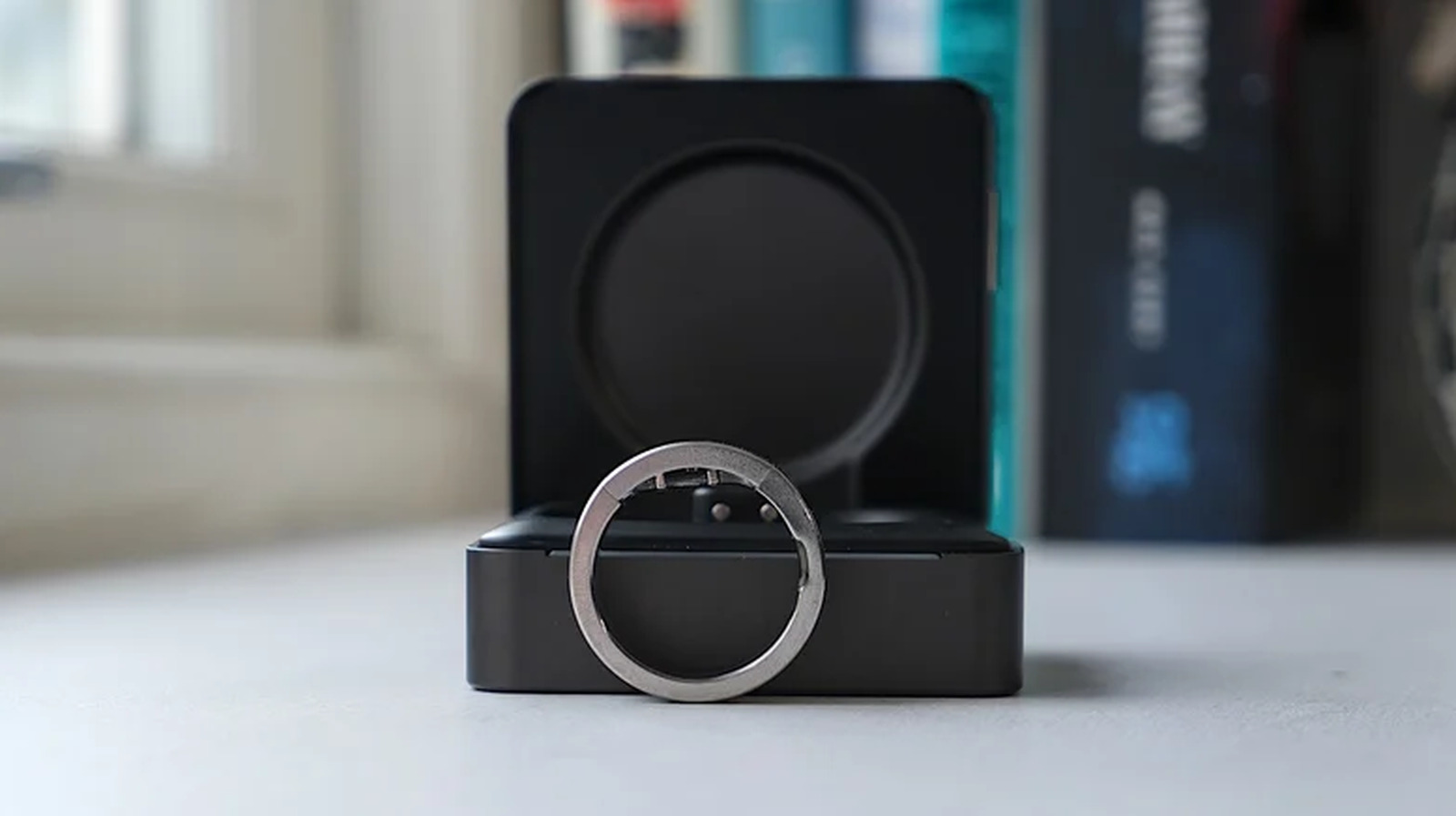
Natura's Interface ring, reported by TechCrunch, is priced at $99 and lets a wearer summon AI agents with the press of a finger. The ring captures thoughts, controls devices, and doubles as a health tracker. The price is the important part. At $99, the Interface is not a luxury accessory; it is priced closer to a mid-range fitness band than to the premium rings that have defined the category. That matters for the US market, where the installed base of wearables has grown on the back of $150 to $400 devices. A $99 ring that also functions as an AI control surface changes the economics of the category. It suggests the hardware is no longer the product - the agents are - and the ring is the cheapest possible way to get a persistent, always-worn trigger into a user's hand.
Abu Dhabi Shows Governments Want The Data
On the same beat, Ultrahuman is working with Abu Dhabi on two fronts. TechCrunch reported that Ultrahuman and Abu Dhabi will spend the next two years on research and clinical validation of a biological-age model, rolling it out across the UAE. Separately, Engadget reported that the Abu Dhabi government wants to incorporate wearables data into its public health app, using Ultrahuman's smart ring know-how. Read together, these are not two stories about one company. They are one story about a government deciding that consumer wearable data belongs in the public health stack. That is a different posture from the US, where wearables data has largely stayed inside private apps and employer wellness programs. Abu Dhabi is testing what happens when a ring's output feeds a state-run health app.
The Thread: The Ring Becomes Infrastructure
The common thread across Natura and Ultrahuman is that the ring is being repositioned as infrastructure rather than a gadget. Natura treats it as an input device for AI agents. Ultrahuman treats it as a sensor node for a public health system. Neither company is selling the ring as the destination. They are selling what the ring connects to. This is a meaningful change from the first decade of wearables, when the value proposition was the device itself - the step count, the sleep score, the heart rate graph. Now the device is a thin client. The value sits in the agent, the model, or the health app behind it.
For US technology companies, that has three consequences. First, the hardware margin story weakens further. A $99 ring with AI-agent functions compresses the price ceiling for any US competitor that wants to sell a premium ring on sensor quality alone. Second, the platform question sharpens. If the ring is a trigger for agents, the company that owns the agent owns the relationship, and the ring maker becomes a supplier. Third, the regulatory question moves from the FDA's device pathway to something broader: what happens when wearable data is aggregated at population scale, and who is allowed to see it.