The CPU's Defining Question in 2026 Is What It Is For

Photo: Engadget

Article

The CPU's Defining Question in 2026 Is What It Is For

BhavyaNovember 15, 20264 min read

The CPU beat in 2026 is no longer organized around a single question of which chip is fastest. The stories landing on this desk lately are really about fit: which processor suits a buyer's workload, what a companion chip actually contributes, and how much of a machine's identity still rests on the CPU at its center. That is a more fragmented and more demanding story for US chipmakers and for the consumers buying their products.

The Benchmark Framing Has Broken Down

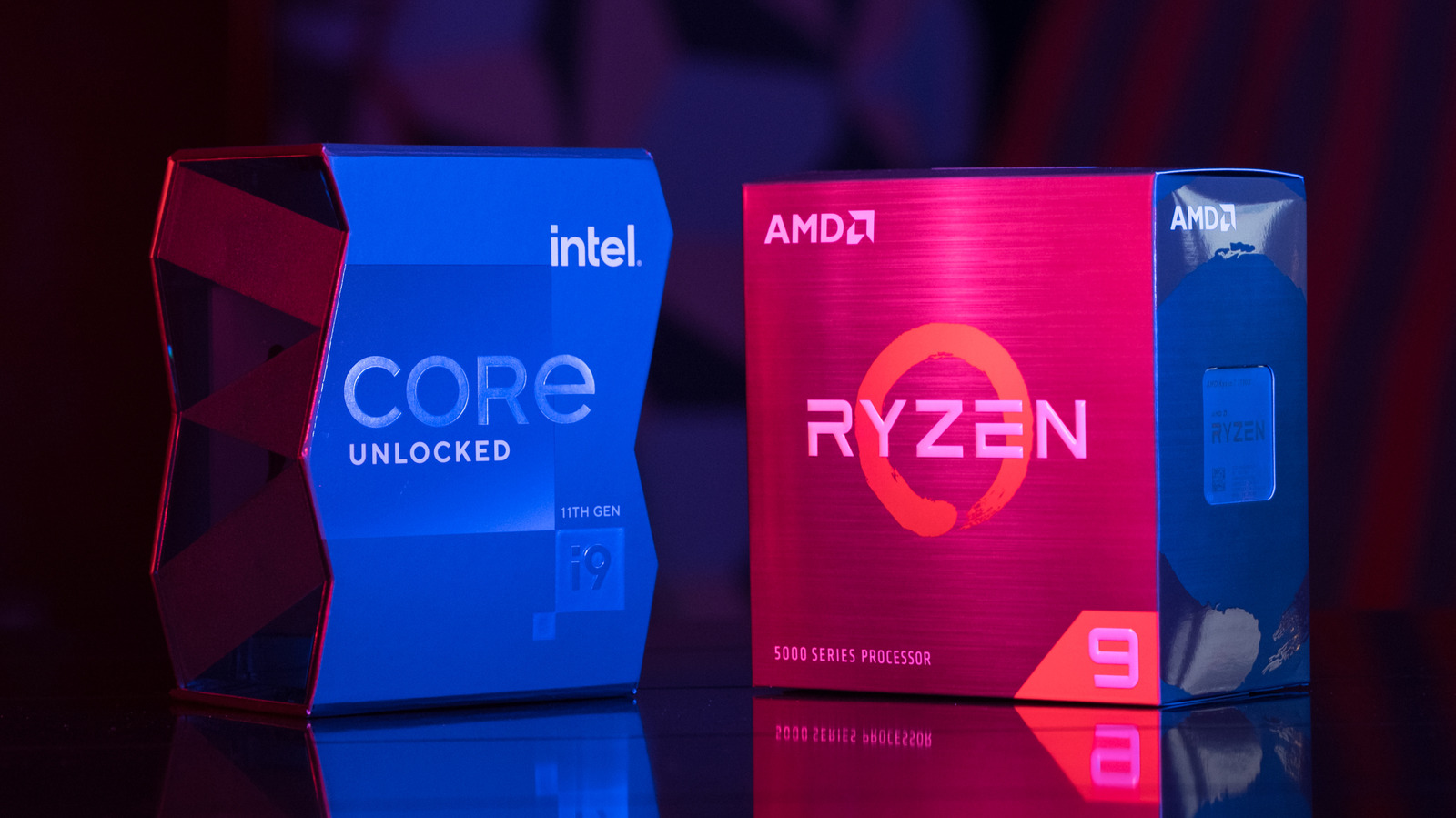
Engadget's recent comparison of AMD and Intel CPUs opens with a claim that would have been unremarkable a decade ago and is now the whole story: the two companies have different strengths, and buyers need to work out what they need from a CPU before they can choose. That is not a marketing nicety. It is an admission that the old shorthand of a single performance crown no longer maps cleanly onto a purchasing decision. A buyer asking which chip is better is asking a question the market no longer answers in one word.

For US consumers, that raises the cost of shopping. The comparison is now a segmentation exercise, and the segmentation is not just price tier but intended use. For AMD and Intel, it means the competitive contest is fought across several fronts at once, each with its own benchmarks and its own buyers. A company can lead in one segment and trail in another without either claim being false. The practical effect is that the buyer, not the vendor's spec sheet, becomes the final arbiter of which chip is better.

The NPU Makes the CPU Part of a Team

Engadget's explainer on what an NPU does and why so many laptops have one is the second half of the same shift. The NPU is now a standard companion in many laptops, and the question the piece addresses is whether buyers actually need it. That question exists because the CPU is no longer the only compute engine that matters inside a machine, even on a desk that covers processors.

The implication for US technology companies is structural. The processor story is increasingly a story about allocation: which workloads land on the CPU, which on the NPU, and how the two are presented to buyers who may not know or care what an NPU is. For US consumers, the buying decision gets murkier, because a laptop's capability now depends on a combination of chips rather than the headline CPU alone. A fast CPU paired with a modest NPU is a different product from the reverse, and the spec sheet does not always make the distinction legible.

That does not diminish the CPU. It changes what the CPU is being asked to do. In a laptop with an NPU, the CPU is less the whole engine and more the orchestrator and general-purpose fallback. The processor still sets the floor for responsiveness, but it no longer sets the ceiling for what the machine can claim.


The Long Tail of Installed CPUs

Tom's Hardware's note that the original Xbox was released 25 years ago today, powered by a Pentium III CPU and an Nvidia GPU, is a useful reminder of how long processors stay in service. The Pentium III in that console was a desktop-class chip repurposed into a games console, and it is still the answer to a trivia question a quarter-century later.

For the US market, the lesson is about installed base rather than launch benchmarks. Processors designed years ago continue to define what software can assume and what users experience. That matters for US chipmakers because the addressable market for a new architecture is constrained by how much of the installed base can run it, and it matters for consumers because the CPU in a device purchased today will shape that device's useful life long after the next generation ships. The Xbox anniversary is a reminder that the processor decision is a long-horizon decision, even when the marketing cycle is short.

Why This Is Harder for US Buyers

The through-line across these stories is that processor choice has become a matching problem. Engadget frames the AMD-versus-Intel question around differing strengths and buyer needs. Engadget frames the NPU question around whether the extra silicon earns its place. Tom's Hardware frames a 25-year-old console around the specific CPU that powered it. In each case, the processor is evaluated in context rather than in isolation.

For US consumers, that context is not always supplied at the point of sale. The result is a market where the informed buyer can do well and the uninformed buyer can overpay for capability they will not use or underbuy for workloads they will. For US technology companies, the reward goes to whoever makes the matching easy, because a chip that is hard to place is a chip that is hard to sell.

What to Watch

The stories on this beat point to a few concrete things to track. Watch whether AMD and Intel continue to be described in terms of differing strengths rather than a single ranking, as Engadget's comparison frames them. Watch how laptops with NPUs are explained to buyers, and whether the "do you need it" question in Engadget's explainer gets a clearer answer than it has so far. And watch the long tail: the Pentium III inside the original Xbox, noted by Tom's Hardware, is a reminder that today's processor decisions will still be visible in 25 years. The CPU beat is not becoming less important. It is becoming less self-contained, and the coverage will follow.

Sources: Engadget; Tom's Hardware.

More on this beat: Hardware on TechManNews.

#CPUs#AMD#Intel#NPUs#PC buying#installed base

Newsletter

Get Tech News in Your Inbox

The latest AI, gadgets, software and startup stories from TechManNews, delivered every morning - free.