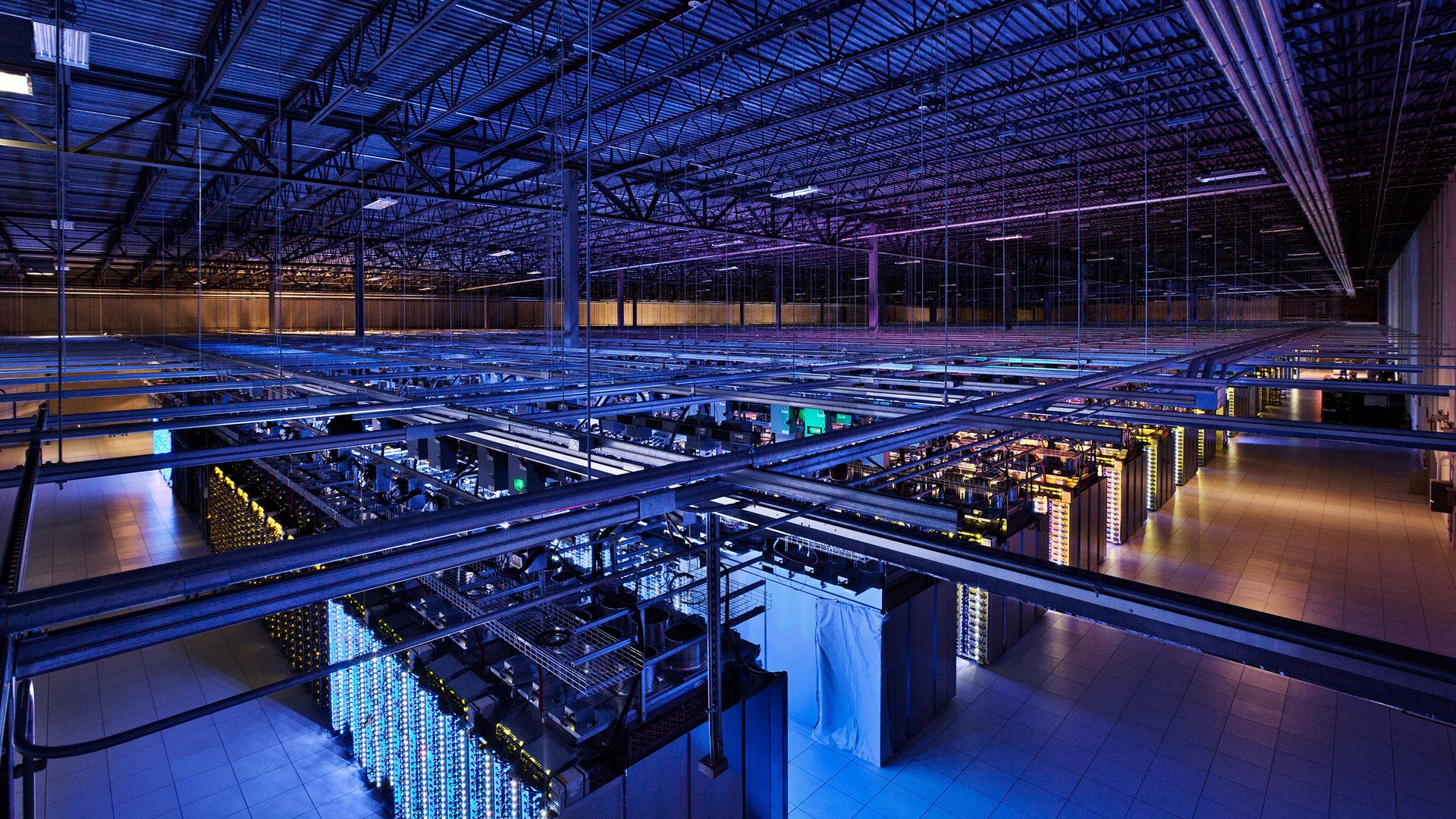
The processor business is re-centering on the datacenter. Across three recent stories on this beat, the most consequential work in CPUs is happening in server silicon aimed at AI infrastructure and in the software scaffolding around Apple's chip designs, while the traditional PC upgrade story recedes to the margin. The common thread is not any single product but a shift in where chipmakers believe value now accrues: in expensive, purpose-built processors sold to a handful of large buyers rather than in volume parts sold to everyone.
Two Views of the Same Server Chip
AMD's Venice-X story is the clearest evidence. As Tom's Hardware reported, the part maxes out the family at 5.3 GHz and brings 3D V-Cache back to the datacenter after four years on the sidelines, with launch set for the second half of 2027. Every element of that description points away from the general-purpose PC market. The cache technology that once read as a consumer gaming curiosity is being reinserted into the most expensive tier of the server lineup. The clockspeed ceiling is being advertised not as a gaming number but as a signal of capability under sustained datacenter load.
That the return comes after four years is itself the story. A feature that vendors once treated as a niche enhancement is now being marketed as a defining characteristic of a server generation - a signal that AMD sees the buyers of these chips, rather than the buyers of desktop parts, as the audience that matters.
Defining the Category Before Someone Else Does
The second AMD story is about naming, and naming matters. As Tom's Hardware reported, an AMD vice president and the company's chief Zen architect pushed back on claims that Nvidia and Arm had made CPUs for agentic AI, with one saying, in effect, that the company did not magically know four years ago that agentic computing was going to be a thing. AMD made that argument alongside the launch of its Zen 6 EPYC Venice processors.
The pushback is telling for what it reveals about the competitive center of gravity. When a chipmaker spends executive credibility arguing over whether a rival's chip deserves a category label, it is because the category label is where the purchasing decisions live. Nvidia and Arm are not merely shipping parts; they are attempting to define the vocabulary of the next server cycle. AMD's counterargument concedes the importance of the term even as it disputes who owns it.
The engineering substance behind AMD's objection is that its general-purpose server roadmap was set years before "agentic" became a marketing term. That is a fair point, but it also illustrates the risk: if the buying conversation is now organized around a workload category rather than around raw throughput, then a vendor that planned its silicon around the older conversation ends up arguing about definitions instead of shipping against them.
The Upgrade Cycle Nobody Is Selling To
The absence in these stories is as revealing as the presence. None of them is about the mainstream desktop. Venice-X is a datacenter part with a 2027 launch window. The Zen 6 EPYC line is server silicon. The agentic-CPU dispute is entirely a server and AI-infrastructure conversation. For US consumers who buy laptops and desktops, the news on this beat this month is mostly about what is happening somewhere else in the stack.
For US technology companies, though, the shift is consequential in a different way. The buyers of Venice-X and EPYC-class parts are overwhelmingly American cloud providers and AI infrastructure operators. As those companies concentrate spending on the most expensive server processors, the revenue mix of US chipmakers follows - toward fewer customers, larger contracts, and silicon tuned to specific workloads. That concentration cuts both ways: it makes revenue more predictable in an AI buildout and more exposed if that buildout cools.