The GPU beat is being reorganized around a question that used to be an afterthought: what does it cost to actually run a trained model? Three recent items logged on this beat point the same direction. A developer trained a JEPA world model to play Pokémon Red on a single RTX 3080 Ti, CoreWeave expanded its stack beyond GPU compute as inference demand outpaces training, and AI Chip Design Week kept the design-side conversation going. The thread running through all three is that the frontier of practical AI hardware is no longer exclusively the biggest training cluster.
The training-era assumption is aging out
For most of the past several years, the GPU conversation has been framed around one shape of problem: assemble as many of the fastest accelerators as possible, connect them with the fastest interconnect, and keep them fed. That framing treated inference as a rounding error, a serving cost that followed from a training decision.
SiliconANGLE's analysis of CoreWeave's Fully Connected keynote marks a change in that assumption. As that piece puts it, token economics are becoming a defining measure of AI infrastructure efficiency, and as workloads move beyond training, the economics of producing useful intelligence are starting to shape infrastructure decisions. CoreWeave is expanding beyond GPU compute into networking, storage and software while inference demand grows faster than training.
That last clause is the substantive claim. If inference demand is growing faster than training demand, then the hardware business stops being a race to sell the biggest box and becomes a race to sell the cheapest delivered token. Those are different engineering problems with different winners.
The low end keeps producing usable results
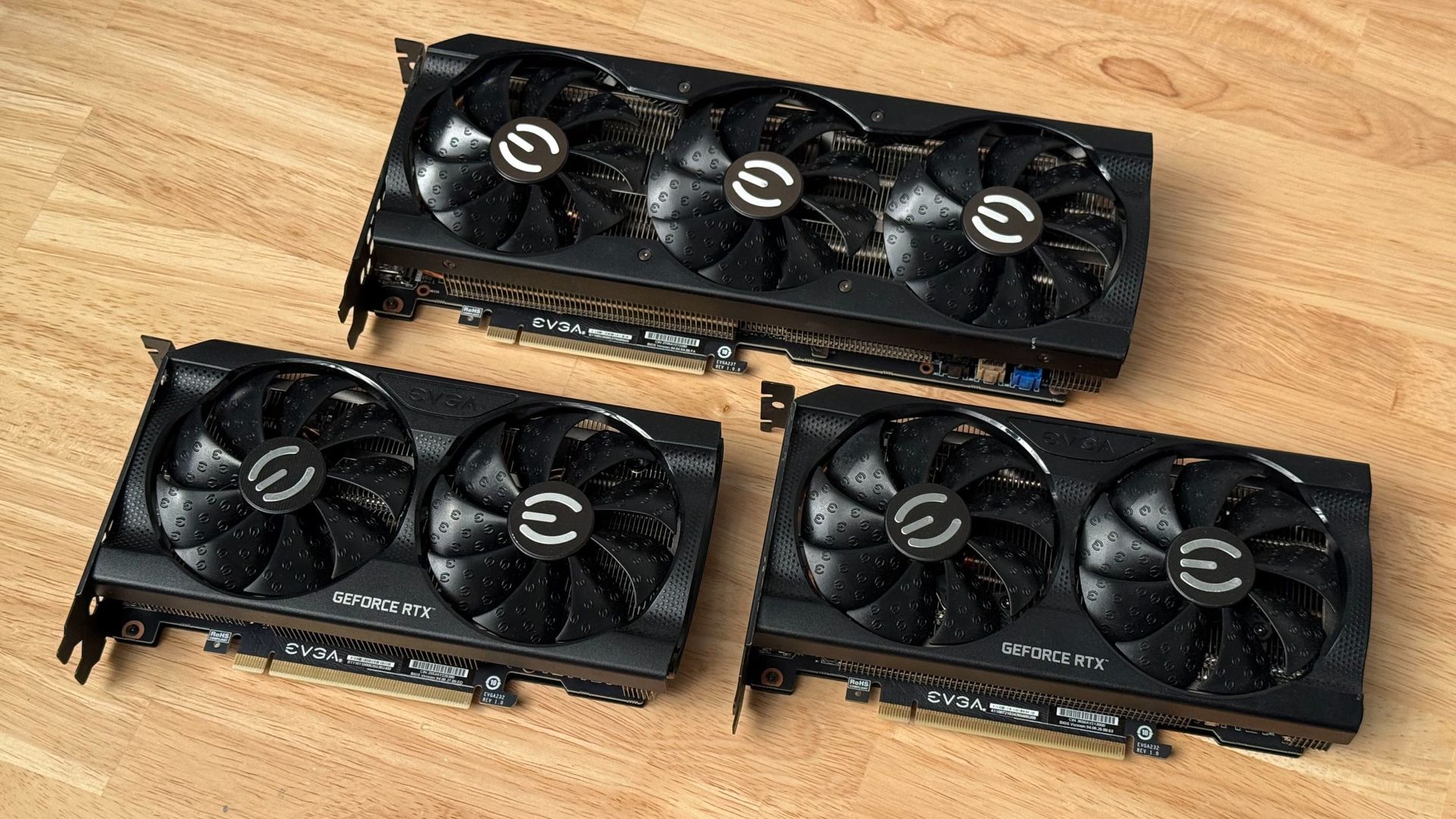
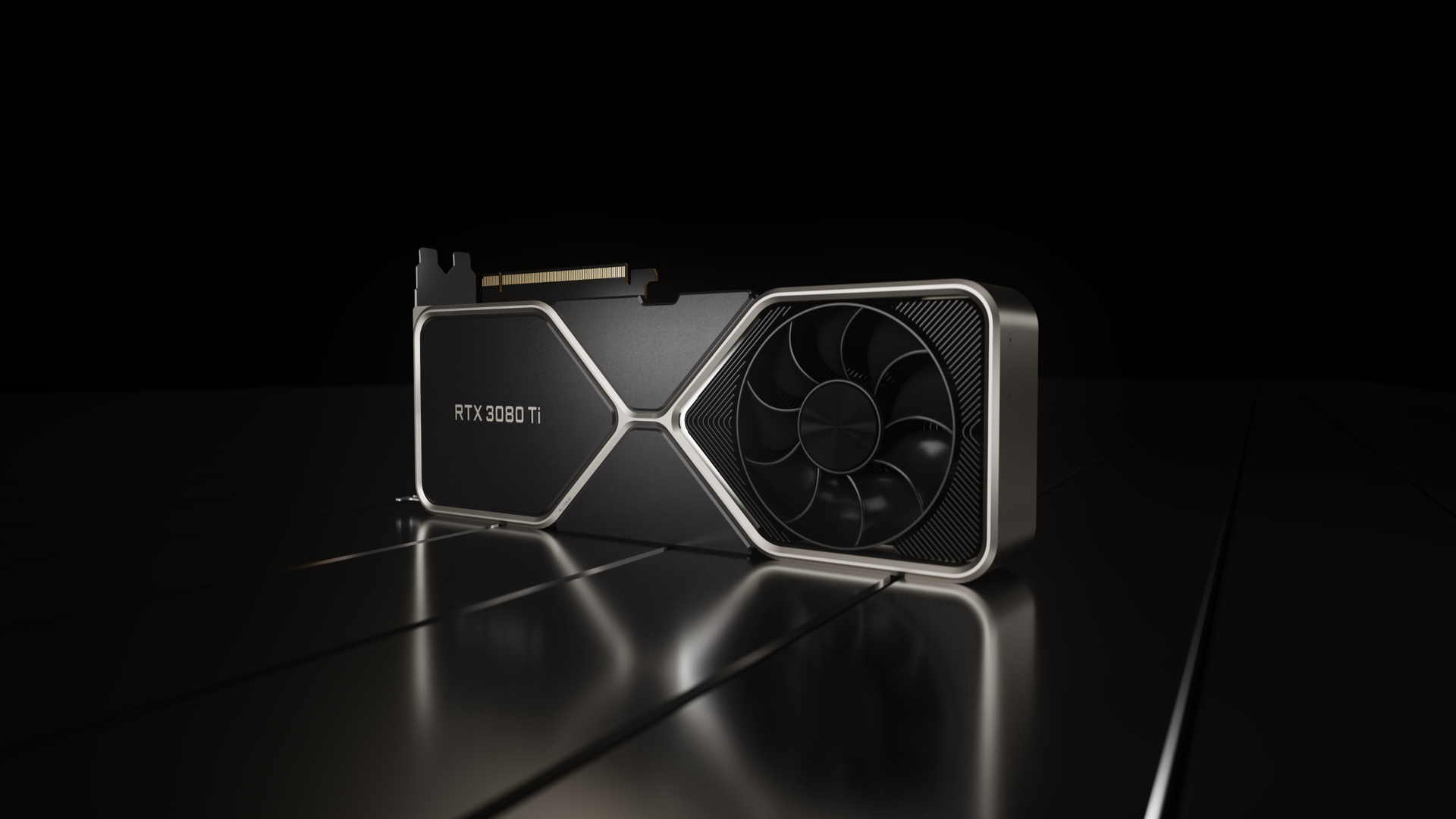
Tom's Hardware reported that a developer trained a JEPA world model, based on LeWorldModel research co-authored by Yann LeCun, on an RTX 3080 Ti to play Pokémon Red. The detail that matters is not the game. It is the hardware: a consumer gaming GPU, not a datacenter part, was sufficient to train a world model on a nontrivial task.
Taken alone, a single enthusiast project proves little about production systems. Taken alongside the CoreWeave observation, it is a second data point in the same direction. Capability that once required cluster-scale resources is appearing at the consumer tier, and it is appearing in world-model architectures rather than only in fine-tuning or inference of existing models.
For US consumers, that is a meaningful signal about the secondhand and midrange GPU market. The installed base of gaming cards is not just a market for games. It is increasingly a market for small-scale AI work, and that has implications for how those cards are priced and how long they hold value.
Inference economics pull the stack apart
The CoreWeave expansion is instructive because it is not a GPU story in the narrow sense. Moving into networking, storage and software around a GPU business is what a provider does when the binding constraint has moved. In training-heavy deployments, the constraint is usually the accelerator itself. In inference-heavy deployments, the constraint is often everything around it: how fast you can move weights and activations, how fast you can retrieve context, and how much of the total bill is spent on hardware that is not the GPU.
SiliconANGLE frames this as token economics becoming a defining measure of infrastructure efficiency. That is a real shift in what gets optimized and what gets measured. When the unit of account is the delivered token rather than the peak FLOP, the hardware that wins is the hardware that stays busy and stays fed.