The pattern running through this week's app news is that the software layer around physical life - driving a car, meeting friends in person - has become a primary channel for data collection, and the apps that sit on top of it are being redesigned to keep the pipeline flowing. Tinder's new Group Hangouts feature and two fresh studies of connected-car data look like different stories, but both describe apps moving deeper into offline behavior, where sensors, location, and social context generate the kind of information that is hard to replicate from a phone screen alone. For US consumers, the result is that the most ordinary activities are now mediated by services whose business incentives push toward more sharing, not less.
Tinder Wants the Group Chat to Become the Venue
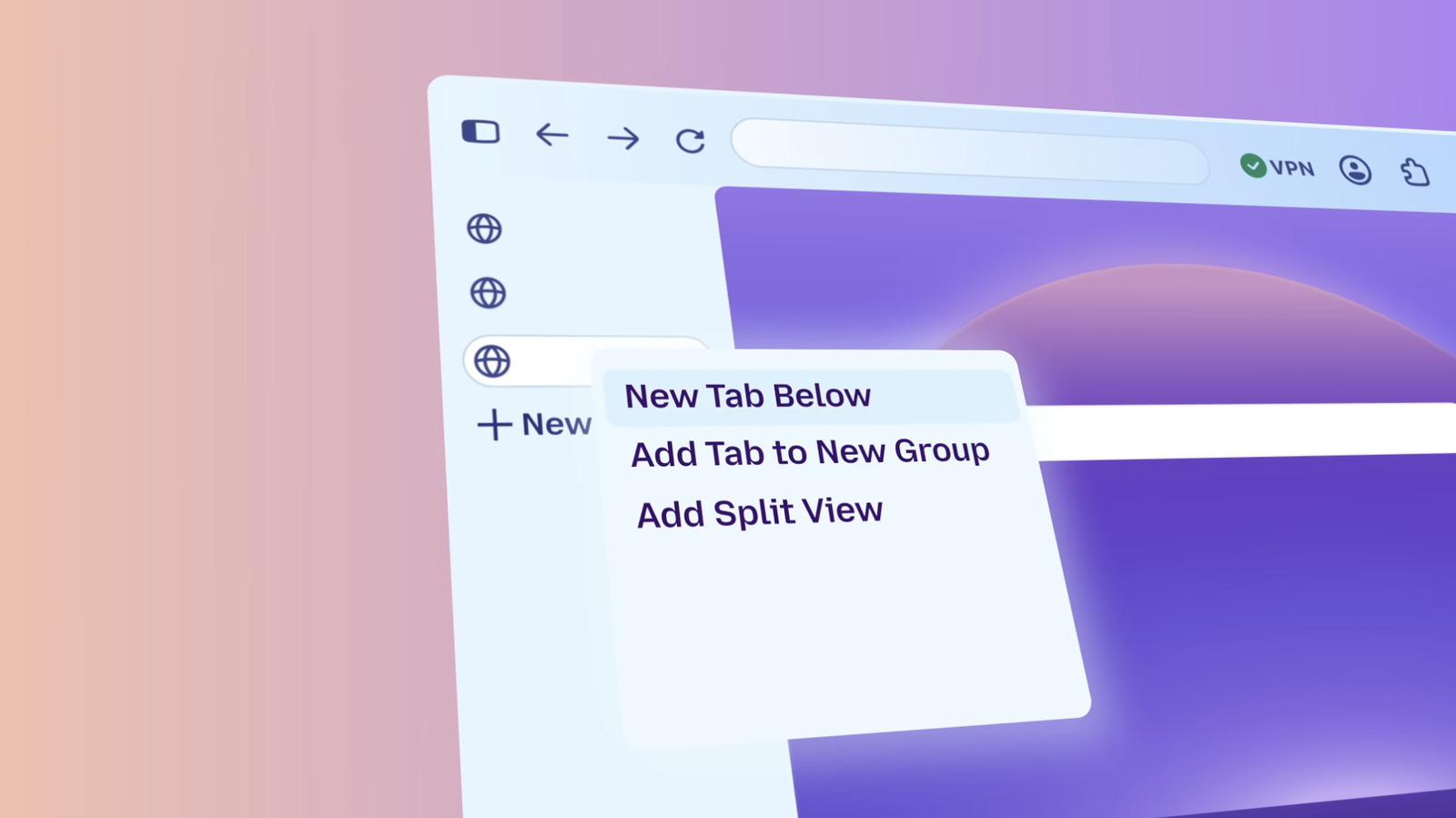
As TechCrunch reported, Tinder announced on Wednesday a feature called Group Hangouts that lets groups of friends coordinate around meeting in person rather than swiping one profile at a time. The company framed it as a response to younger users who are tired of the endless scroll and want dating to feel more social and rooted in real-world experiences. That is a product decision, but it is also a data decision. A one-on-one swipe produces a narrow signal about attraction. A group planning a night out produces a richer set of signals: who knows whom, where people are willing to go, what time they are free, and which venues or neighborhoods they gravitate toward. Tinder is not the only app making this move, and the beat has logged the broader shift toward IRL experiences as a competitive necessity for dating services. The important point for the Apps & Services market is that the feature pulls the app further into logistics and location, which are exactly the categories that connected-car research is now flagging as heavily tracked.
The Car Is a Phone With Seats
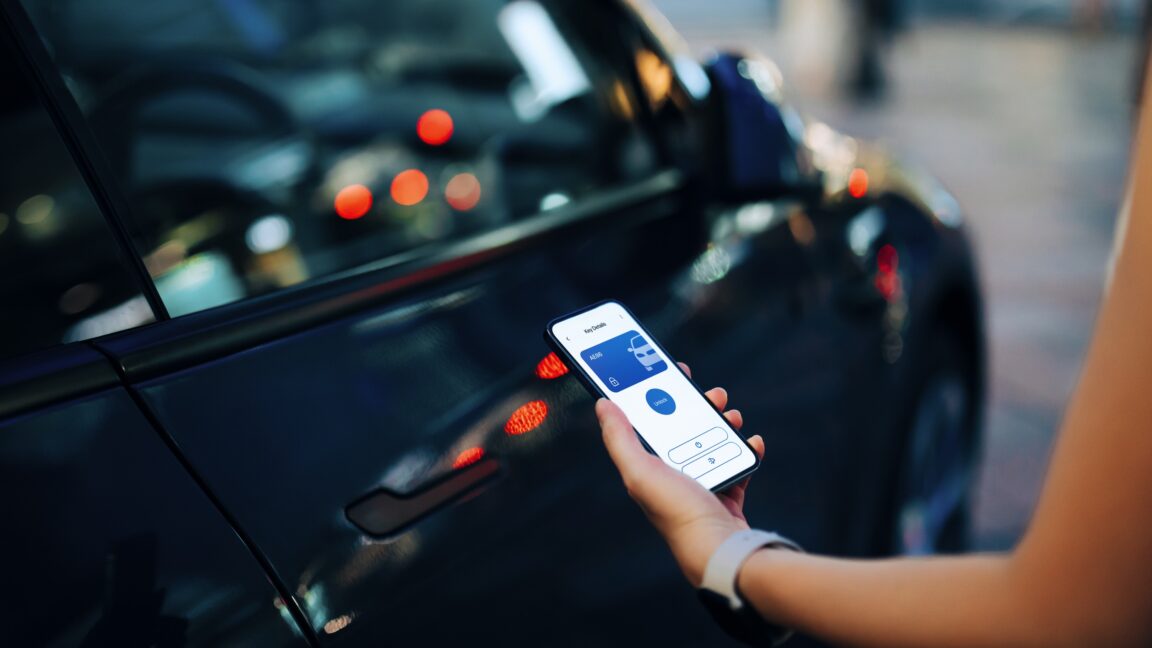
Separate research from Northeastern University, covered by TechCrunch, found that vehicles and their companion mobile apps regularly share detailed data with some of the largest tech companies. Ars Technica's write-up of the same study emphasized that between the cars and their companion apps, a driver is exposed to a lot of trackers. The two outlets are describing one phenomenon: the vehicle and the phone app are a single surveillance surface. Automakers build the hardware, but the app is where permissions, accounts, and third-party SDKs live, and that is where the data leaves the vehicle's own ecosystem. For US consumers, the practical consequence is that opting out of a car's built-in connected services does not necessarily opt them out of tracking if the companion app remains installed and signed in. The app is the leak point, and it is governed by the app store's rules and the developer's privacy policy rather than by the dealership conversation.
The Same SDK Economy, Two Verticals
What connects the Tinder story to the car studies is the software supply chain. A dating app that adds group planning needs location, calendar, and messaging integrations. A car companion app needs location, Bluetooth, notifications, and often analytics and advertising SDKs. In both cases, the app is assembled from third-party components that call home to companies the user never chose. The Northeastern findings, as reported by TechCrunch and Ars Technica, suggest that this assembly process routinely results in detailed data reaching the largest tech platforms. That is not a bug specific to cars or to dating. It is the normal operating model of the US app economy, where free or low-cost services are funded by measurement and advertising, and where the most valuable measurement is tied to physical behavior. Tinder's Group Hangouts and a car's companion app are both attempts to capture physical behavior and route it through software.