The laptop industry has drifted into selling capability rather than experience. The evidence sits in three unrelated corners of the beat: how laptop owners should use sleep versus shutdown, how much power bank a laptop actually needs, and Microsoft quietly removing Copilot+ branding from new machines. The common thread is that peak specifications and headline features are being decoupled from what buyers reliably get in daily use. The gap between advertised peak and lived experience is becoming the defining issue for US laptop buyers.
Headline Numbers Describe a Ceiling, Not a Floor
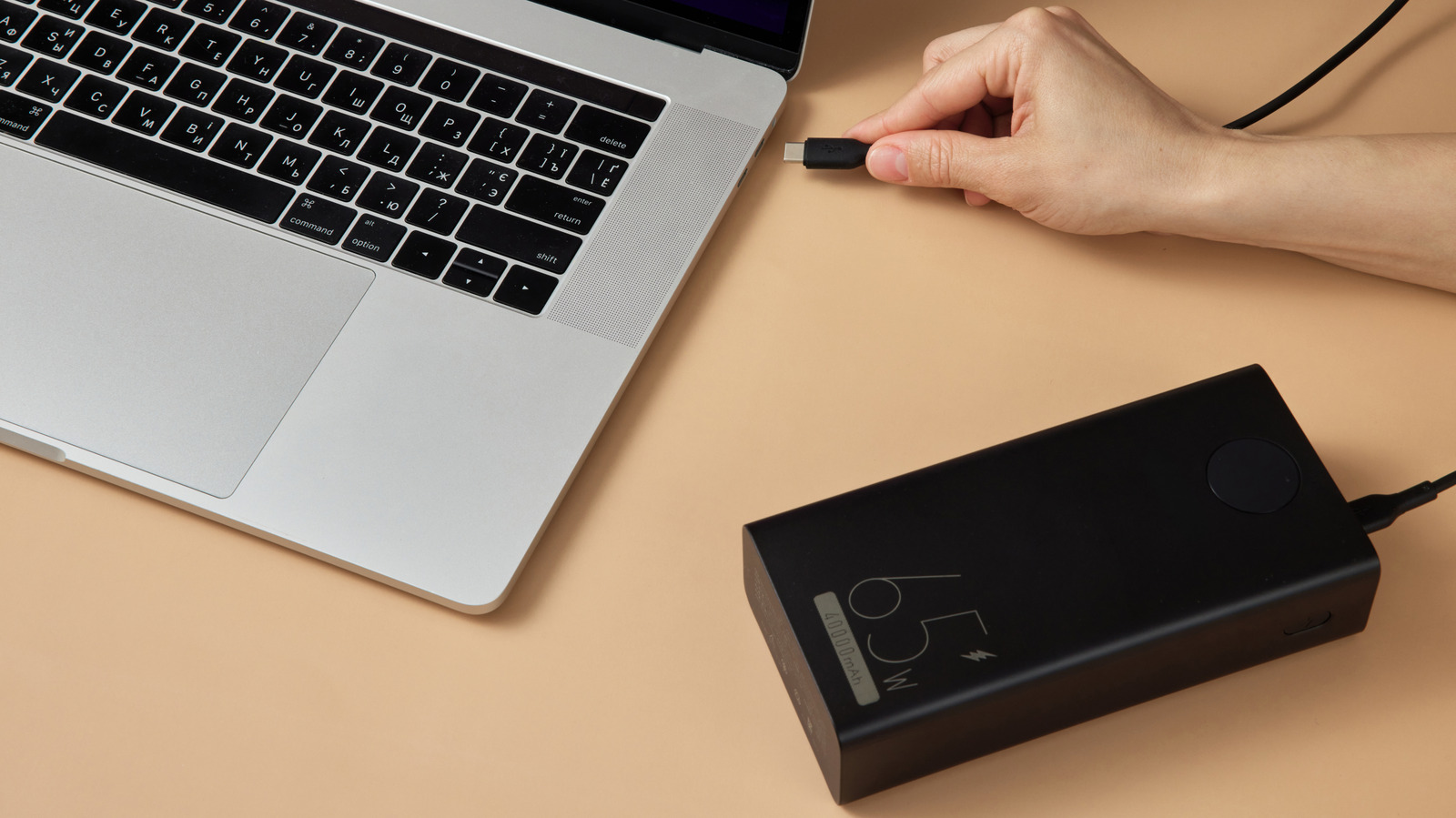
Power bank marketing illustrates the problem in its purest form. As Engadget has explained, capacity measured in milliamp-hours is only half the story; the other half is how fast a bank can deliver power. A laptop connected to a bank that charges too slowly can still drain while plugged in. The number on the box describes a theoretical ceiling. The experience depends on sustained delivery under real conditions.
That same logic runs through the Copilot+ story. As Tom's Hardware reported, Microsoft's latest Surface laptops dropped the Copilot+ PC branding despite meeting the minimum requirements. Even high-end devices such as the Nvidia RTX Spark and Microsoft's own Project Zenith are missing the label. A badge that once implied a guaranteed level of capability has been quietly detached from products that technically qualify for it. The label was never the experience; it was a claim about a ceiling.
And the sleep-versus-shutdown question, which Engadget addressed, is the most familiar version of the same problem. A laptop that wakes instantly from sleep is delivering its peak convenience. A laptop that has quietly drained its battery overnight, or failed to apply updates, is delivering the floor. The advice to change behaviour based on circumstance is an admission that the peak behaviour is not reliable enough to depend on.
The Naming Layer Is Coming Off
The Copilot+ retreat is the most concrete signal. When a platform holder removes its own badge from its own flagship hardware, it is not a small cosmetic decision. Microsoft set a minimum specification for Copilot+ PCs, built machines that meet it, and then chose not to use the label. Whatever the internal reasoning, the external effect is that the branding no longer functions as a reliable signal for buyers in the US market.
This matters because American laptop buyers have spent several years being trained to shop by badge. Intel Evo, Copilot+, various AI PC designations, and vendor-specific performance labels all exist to compress a complicated purchase into a single word. When the most prominent of those labels starts disappearing from qualifying hardware, the compression stops working. Buyers are pushed back toward reading specifications, and specifications are exactly the thing the stories above show to be unreliable as a proxy for experience.
Peak Performance Is Easy to Claim and Hard to Sustain
There is a physical reason the gap keeps appearing. Peak figures are measured in controlled conditions: a short burst, a favourable temperature, a fresh battery, a specific workload. Sustained performance is measured in the conditions people actually use laptops in, which include warm rooms, aging batteries, background software, and long sessions.
Power delivery is the clearest example, because it is measurable in watts rather than marketing language. A laptop under load can draw more power than a slow bank can supply, which is why Engadget's framing matters: the relevant question is not how much energy the bank stores but how fast it can move it. The same asymmetry applies to sleep. Instant wake is a peak behaviour; reliable multi-day standby with correct update handling is a sustained one. Vendors advertise the first and support the second unevenly.