The four stories on this desk share a single thread: consumer technology has stopped trying to win the future and started managing the past. A premium e-reader that its own reviewer says first-generation owners should skip, a phone line reaching its last major update, a 25-year-old console brand reinventing itself yet again, and a blockbuster game whose launch savings come from gift cards rather than the game itself. Each is a story about an installed base, not a new customer. That shift matters for US companies, the US market and US consumers, because it changes where the money comes from and who pays.
Iteration Without Invitation
TechCrunch's assessment of Amazon's new Kindle Colorsoft is the cleanest statement of the pattern. The device is lighter and thinner than its predecessor and has an edge-to-edge display, and the review nonetheless concludes that anyone who already owns the first-generation Colorsoft has little reason to upgrade. That is a remarkable thing to write about a premium product at a premium price. The hardware has improved; the case for buying it has not. When a company's own newest model cannot generate a compelling reason to replace last year's, the business is no longer about conversion. It is about the installed base staying put, and about the smaller share of buyers who are entering the category for the first time.
This is a mature-market problem, and it is an American one in a specific sense. Premium pricing on a modest refresh only works if buyers treat the category as settled. The risk is that they do, and that they simply stop looking.
The Upgrade That Isn't Coming
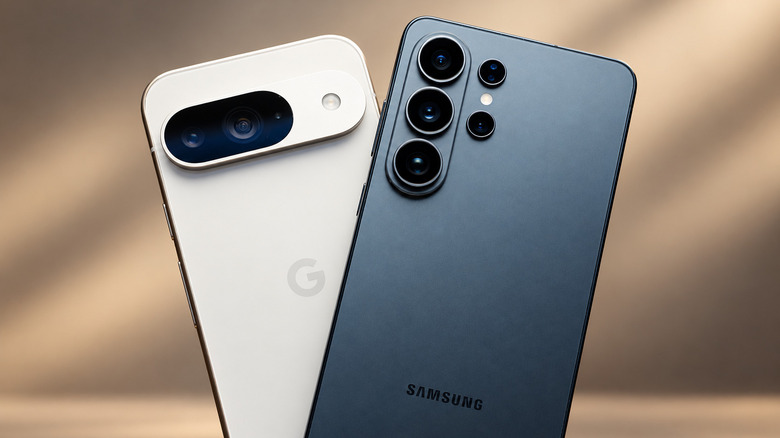
Engadget reports that One UI 9 will be the final major update for some of Samsung's older Galaxy phones, with those devices reaching the end of their primary Android OS upgrades. Read alongside the Kindle story, this is the same arithmetic from the other direction. Hardware refreshes are no longer persuasive enough on their own, but software support is finite, and its expiry is what eventually forces replacement. The phone does not become worse on the day support ends; it becomes unsupported, and that is a different kind of pressure.
For US consumers, the practical consequence is that the upgrade decision is increasingly scheduled by the manufacturer rather than chosen by the buyer. For US technology companies, it means the replacement cycle is becoming a policy lever. How long a device stays current is now a competitive variable, and one that sits awkwardly beside premium pricing.
Twenty-Five Years of Reinvention
The Verge's account of Xbox is the longest-running version of this. Microsoft has spent 25 years trying to shake up the game console market, and the original Xbox, which launched on November 15th in 2001, took on an industry dominated by Sony and Nintendo. Twenty-five years later, as The Verge puts it, Xbox finds itself in a similar position. It is not starting from scratch this time, but it is again the challenger rather than the incumbent.
That framing is easy to read as a story about one company's struggles. It is more useful read as a story about how hard it is to reset a mature hardware market. A quarter century of effort has produced a durable brand and a large base of players, and it has not produced dominance. The lesson the rest of the industry can take is uncomfortable: in settled categories, reinvention tends to preserve position rather than transform it. The installed base is the asset, and it is also the ceiling.