Apple's wearables have quietly crossed from accessories into instruments, and the company is asking users to trust readings that most of them have no independent way to verify. Three recent stories on this beat, from Engadget and CNET, describe the same movement from three angles: a hearing test that runs in five minutes, an AI feature that listens to conversations, and a decade of AirPods price history. The common thread is not the hardware. It is that Apple keeps adding functions whose value depends on trust in Apple's own judgment, and the evidence available to buyers is thinner than the features themselves.
The hearing test problem
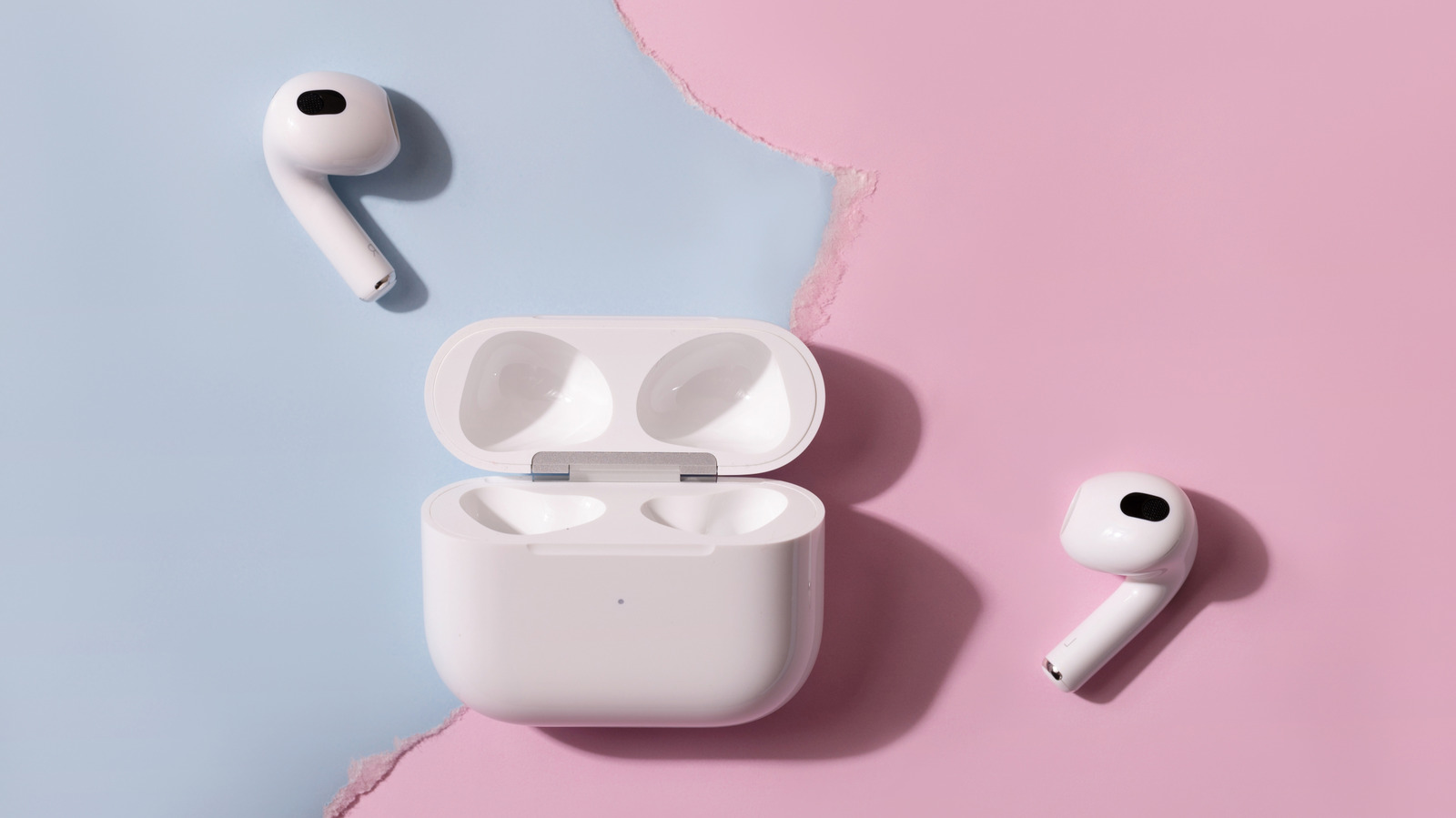
Engadget's examination of AirPods Pro hearing testing makes the trust question concrete. The test uses an industry-recognized standard, which is a meaningful signal: Apple did not invent a private protocol and ask the public to take it on faith. But Engadget also notes that various factors can produce inaccurate results. That is the ordinary condition of any screening tool, and it is also the reason screening tools are usually paired with professional follow-up. When the tool lives in earbuds that people already own and use casually, the follow-up is optional, invisible, and easy to skip. The user receives a number about their own body, generated by a device in their ears, with no practical way to know whether the number is right.
This matters for US consumers more than the feature list suggests. Hearing loss is common, and a cheap first-pass test could push people toward care they would not otherwise seek. It could also do the opposite. A reassuring result from an unverified context may tell someone what they want to hear. Apple benefits either way, because the test makes AirPods feel like more than audio gear. The user carries the uncertainty.
When the Watch listens
CNET's two-week experiment with Apple's AI note-taking in WatchOS 27.3 moves the same problem from measurement to interpretation. The reporter let an Apple Watch eavesdrop on conversations and came away more concerned about personal sanity than about privacy. That framing is worth taking seriously rather than treating as a joke. A device that summarizes what was said is making judgments about relevance, emphasis and meaning. Those judgments are not auditable by the person wearing it. The Watch produces a version of a conversation, and the user has to decide whether that version is faithful.
The privacy question is the one the industry usually discusses, and it is legitimate. But the CNET piece points at something less discussed: the cognitive cost of delegating attention to a wrist device. Note-taking features are useful precisely because humans forget and misremember. A tool that remembers for us also shapes what we believe happened. In the US market, where wearable adoption is broad and always-on sensing is normalized, that trade is being made by millions of people who have not been asked to think about it.
A decade of AirPods pricing
Engadget's comparison of AirPods pricing in 2016 and 2026 supplies the commercial frame. First introduced in 2016, AirPods have improved in quality and accumulated features, and the question Engadget poses is how that has affected what consumers pay. The direction of travel on this beat is clear even without a specific figure: the product has moved from a simple wireless earbud toward a device with health testing and AI functions. Each addition raises the stakes of the purchase and the cost of being wrong about it.