The smartphone industry's competitive edge is migrating from the hardware spec sheet to the software layer and the quiet data underneath it. Three recent stories on this beat - Samsung borrowing a Pixel feature, buyers weighing a Pixel-to-Galaxy switch, and an overlooked iPhone sensor - all point at the same thing. The features that now decide loyalty and switching are software behaviors and background data collection, not the parts listed on a box.
The Feature Playbook Is Being Copied
The clearest evidence of convergence comes from Engadget's report that Samsung is taking a page out of Pixel's playbook with One UI 9.5, a riff on Google's Pixel Screenshots that could pull together fragmented information from across a phone. That is a telling direction. Pixel Screenshots is a software feature built on how a device organizes and surfaces information its owner has already generated; Samsung reproducing it suggests the company sees that kind of contextual utility as a reason people choose a phone. When one major vendor adopts another's software concept, the concept stops being a differentiator and becomes table stakes. For US consumers, that is broadly good: features that once justified picking one brand over another tend to spread across the market. For US technology companies, it is a warning. A software idea that can be reimplemented by a rival is not a durable moat, and the window between launching a feature and seeing it echoed elsewhere keeps narrowing.
Switching Is Now a Software Question
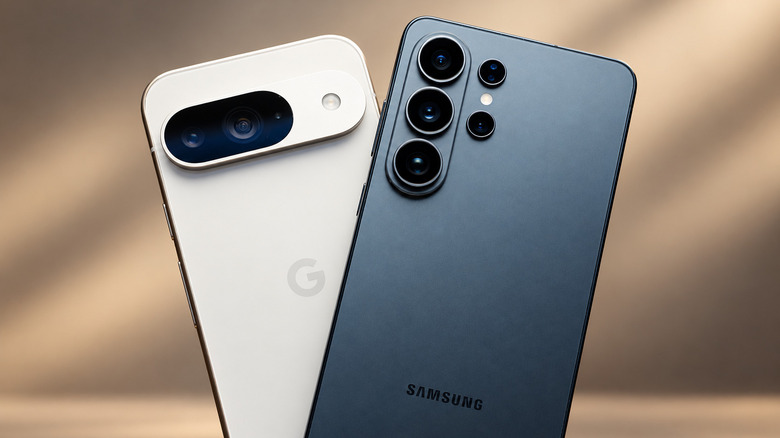
Engadget's piece on whether to make the switch from Google Pixel to Samsung Galaxy notes that some of the biggest differences might not be the ones people expect. That framing matters. The hardware gap between flagship phones has narrowed enough that the decision increasingly turns on interface, feature set, and how each company's software treats the user - the same territory One UI 9.5 is moving into. For the US market specifically, this reframes the Pixel-versus-Galaxy choice. Both brands are prominent in the US, and the practical question for a buyer is less about raw capability than about which software habits fit. The same logic applies to any US company competing for the same customer: the switching decision is becoming an evaluation of software identity, and that identity is exactly what competitors are now copying.
The Sensors Nobody Notices
The third thread is subtler. Engadget's piece on the iPhone's built-in barometer describes a sensor that is easy to overlook but is one of several working behind the scenes every day, collecting data most users haven't seen. That is the quiet foundation beneath the visible software layer. The contextual features that vendors are now racing to build - the kind of fragmented-information assembly that One UI 9.5 and Pixel Screenshots represent - depend on data the phone gathers without the user ever thinking about it. The barometer story is a reminder that the competitive substance of a modern smartphone includes sensors and data pipelines that never appear on a marketing page. For US consumers, that means the value they get from a phone is increasingly determined by background instrumentation they did not consciously choose. For US technology companies, it means the durable advantage may sit in the data layer and how well it is used, not in the feature that sits on top of it.