The most revealing hardware stories this month are not about new chips. They are about old ones refusing to die, banned ones refusing to stay hidden, and software routes that let owners keep using machines the industry would rather they replaced. Across four recent reports, the same thread runs: the useful life of computing hardware is being set less by silicon than by the software, policy and maintenance surrounding it.
The Upgrade Doesn't Win by Default
Engadget's question about why the RTX 3060 remains the most popular GPU on Steam is the cleanest statement of the pattern. The assumption it challenges - that gamers always run the latest and greatest - is exactly the assumption the upgrade treadmill depends on. A mainstream card from an earlier generation is still what most players report running. That is not a story about nostalgia. It is a story about sufficiency: for a large share of PC gamers, the hardware they already own clears the bar for the games they play and the resolution they play them at, and nothing about the newest cards has moved that bar enough to force a purchase.
For US technology companies, that is an uncomfortable signal. The PC upgrade cycle is a revenue engine for GPU vendors, system builders and component retailers, and it is sustained by the belief that each generation obsoletes the last. When the most-installed GPU is an older mid-range part, the treadmill is running slower than the industry's marketing implies. The card that sells is not necessarily the card that is used.
Maintenance Is the Quiet Upgrade
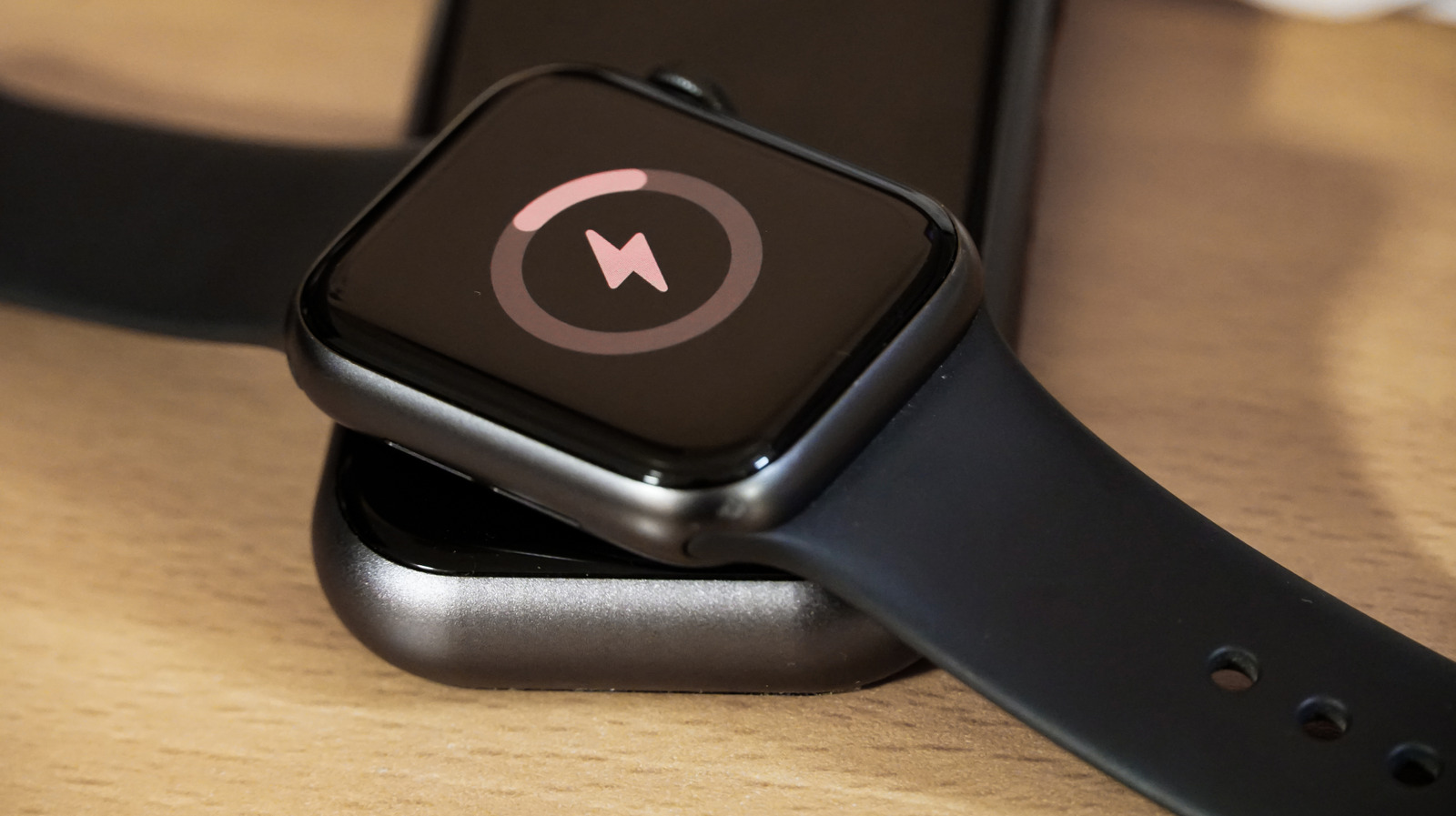
Engadget's piece on checking an Apple Watch's battery health makes the same point in a smaller package. The framing is maintenance rather than replacement: the battery is described as impressive, and the advice is to keep an eye on its health so the device keeps working at its best. That is a consumer-electronics watch being treated the way people treat laptops and cars - as a thing to be monitored and kept, not discarded at the first sign of wear.
This matters in the US market because it shifts where value is captured. If owners extend device life through battery awareness and basic diagnostics, the upgrade purchase is deferred, and the money that would have gone to a new unit goes instead toward service, parts or simply nothing at all. Vendors that built their models on predictable replacement intervals face a customer base that is learning, cheaply and on its own, how to stretch them.
Software Is the Real Compatibility Layer
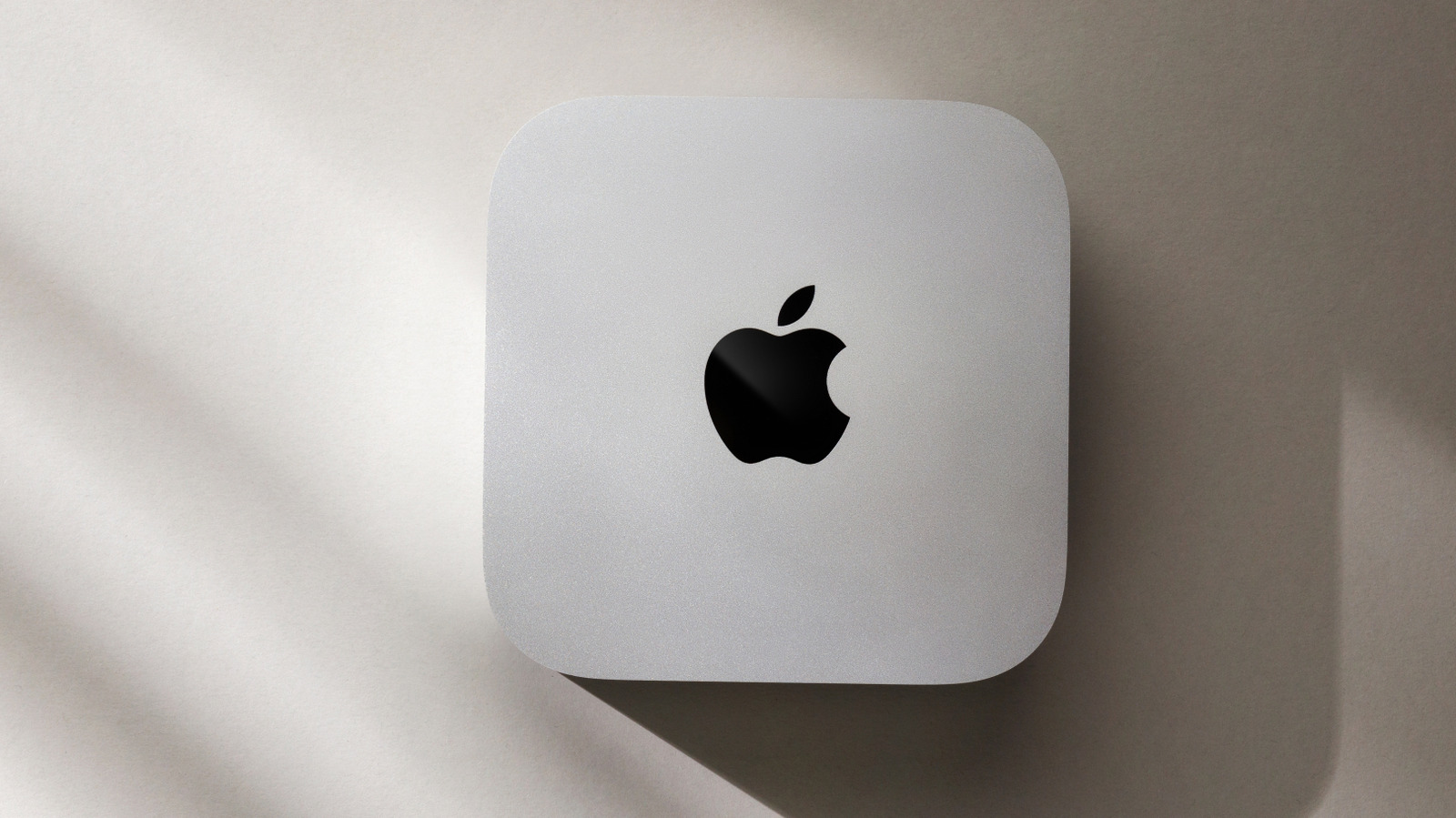
Wired's report on a free app that boots SteamOS in a virtual machine on an Apple Silicon Mac is the most striking case, because it dissolves a boundary the industry treats as structural. Macs and PC games have long been separate worlds, and Apple Silicon sharpened the split. A virtual-machine route to SteamOS does not change the Mac's hardware; it changes what that hardware is permitted to do, unlocking PC and legacy games that otherwise will not run.
Two things follow. First, the addressable life of a Mac expands without Apple selling anything new, which is good for owners and awkward for anyone whose model assumes Mac buyers also buy a separate gaming machine. Second, it shows that the compatibility layer - not the chip - is often the binding constraint. US consumers who have been told that platform loyalty requires duplicate hardware are being handed a demonstration that it does not.