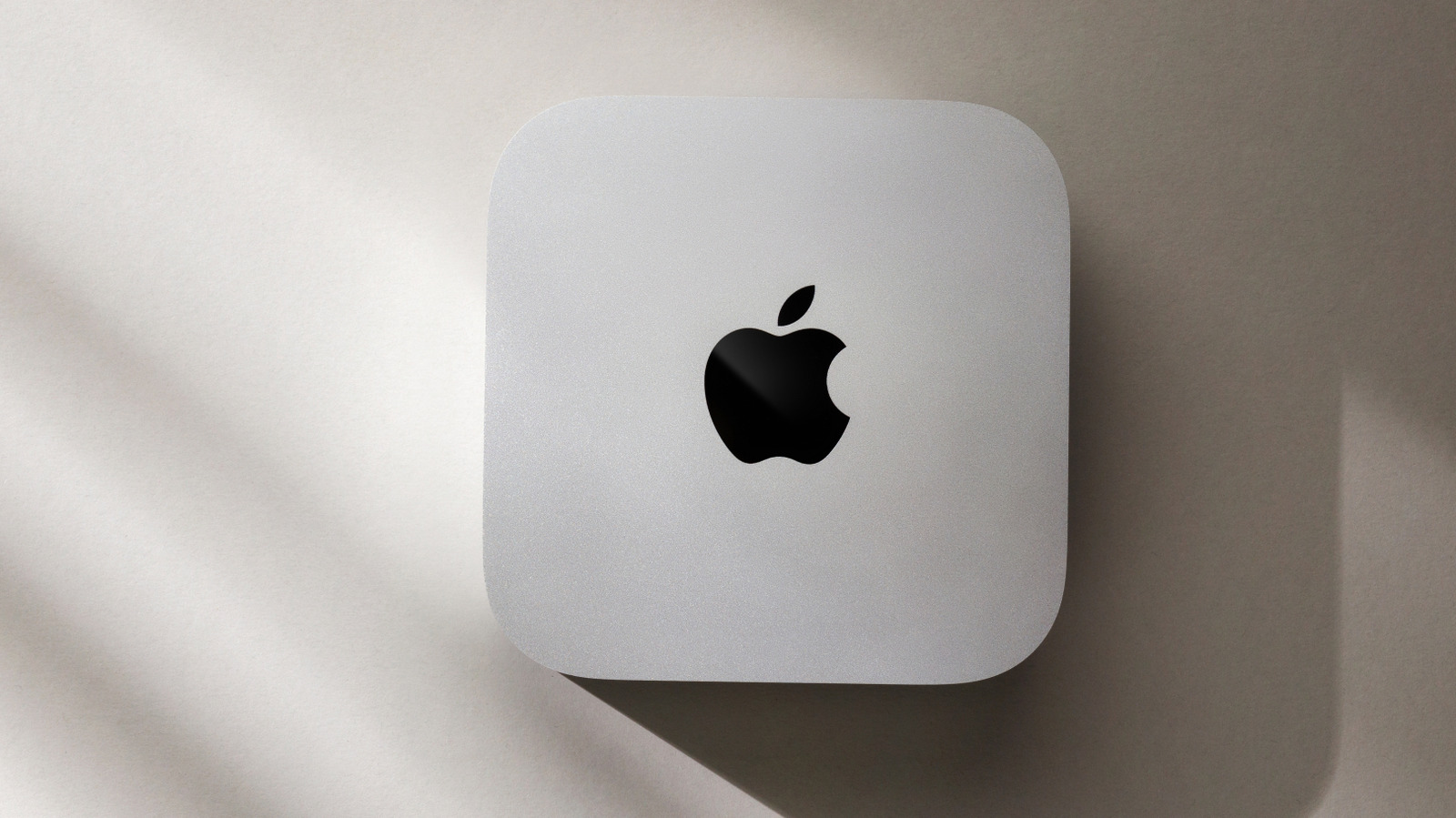
The recent run of processor coverage points to a single shift: the CPU is no longer judged on one axis. Apple's M6 is being measured against discrete NVIDIA GPUs, DEEPX is marketing a chip on how cool it runs, and buyers are being asked how long a processor should last. Performance remains the headline, but integration, efficiency, and lifespan are now separate battlegrounds, and each one carries different consequences for US companies and consumers.
The Integrated Chip Gets Judged by Discrete Standards
Engadget's treatment of Apple's M6 is the clearest signal. The framing is not whether the M6 improves on its predecessor, but why it still cannot hold its own against any NVIDIA GPU. That is a notable benchmark choice. Apple's processors are designed as integrated parts, sharing silicon and memory with the rest of the system. NVIDIA's GPUs are discrete accelerators built for a different job. Comparing them directly flatters neither side completely, yet the comparison keeps getting made because buyers increasingly run workloads, particularly AI ones, that blur the line between general processing and acceleration.
For US technology companies, this is the awkward middle of the market. A firm selling an integrated chip has to argue that the whole system matters more than a single component's peak throughput. A firm selling discrete accelerators has to argue that integration is a compromise. Both claims can be true at once, which is why the M6 discussion is less a verdict on Apple than a symptom of a market without a shared yardstick. The practical effect for US consumers is that marketing comparisons will be harder to read. A laptop buyer and a workstation buyer are being handed the same contest, even though their needs diverge sharply.
Efficiency Becomes a Selling Point of Its Own
The DEEPX demonstration reported by Tom's Hardware pushes in a different direction. The company showed its DX-M1 processor running cool enough that a butter heatsink did not melt, a dairy-based thermal benchmark that is deliberately absurd. The stunt is easy to dismiss, but the underlying pitch is not. Thermal headroom determines where a chip can go: into fanless enclosures, into dense racks, into edge locations where cooling is expensive or unavailable.
That matters to US companies building products around AI processing outside the data center. Cooling is a cost, a size constraint, and a reliability risk. A processor that generates less heat can be deployed in places a power-hungry part cannot reach. The butter test is a marketing device, but it is pointing at a real engineering trade-off. The CPU and processor market is being segmented not only by how fast a part runs but by how much infrastructure it demands around it.
Longevity Is Being Sold as a Feature
Engadget's question about how long a PC processor should last rounds out the pattern. The piece notes that the CPU is the computer's most important part and its most expensive one, then asks how long buyers can reasonably expect it to serve. That question has become more pointed as processor generations arrive faster and as more workloads depend on acceleration that older parts may lack.
For US consumers, the longevity question is a budgeting question. A processor that remains adequate for years changes the economics of a purchase. A processor that falls behind quickly does not. For US technology companies, the same question cuts both ways: short upgrade cycles support sales, while long-lived parts build reputations. Neither the M6 comparison, the DEEPX demonstration, nor the longevity piece resolves this tension. Together they show a market asking buyers to weigh three things at once.