Apple is loosening the seasonal cadence that has organized the consumer technology calendar for roughly two decades, and the same week's news shows competitors building habits around subscription access rather than hardware moments. The Verge reports that John Ternus, Apple's new CEO, wants products to arrive more often than the company's usual fall and spring splashy moments, citing a Bloomberg report on his initial plans. Separately, The Verge reports that Apple's long-rumored smart home hub, a HomePod mini refresh and an upgraded Apple TV are set to be revealed on October 13th, with all three showcasing an overhauled Siri AI assistant.
The thread connecting these stories to the rest of the day's desk is not that Apple is launching things. It is that the operating logic of the gadget business is shifting from calendar-anchored hardware events to continuous engagement, and the companies that own that engagement are pulling ahead.
The Fall Ritual Was a Business Model
Apple's September iPhone event and its occasional spring announcements were never just marketing convenience. They compressed demand into a predictable window, gave carriers and retailers a planning horizon, and turned each launch into a cultural moment that justified premium pricing. A report that the new CEO wants launches to come more often than those two moments is therefore more than a scheduling preference. It is a signal that the ritual itself has become a constraint.
The constraint is real for US consumers. A phone bought in a September upgrade cycle is a phone that does not need replacing in February. When Apple spreads launches across the year, it can catch buyers at their own replacement moment rather than asking them to wait for autumn. It also gives Apple more chances to attach services and accessories, which is where the margin increasingly lives.
October 13th Is a Smart Home Bet
The reported October 13th reveal is the clearest test of that logic. The Verge's account has three products arriving together: the smart home hub, a new HomePod mini, and an upgraded Apple TV. All three are described as showcasing Siri AI.
That grouping is not accidental. A hub, a speaker, and a streaming box are the three touchpoints of the connected American living room, and they are precisely the places where Amazon and Google built early leads. Packing them into one announcement and tying them to a rebuilt assistant suggests Apple wants Siri to be the ambient interface of the home rather than a feature that lives on a phone. For US households already juggling smart speakers, streaming sticks, and thermostats, that is a meaningful bid to become the default control layer.
It also fits the more frequent launch philosophy. Smart home devices are not once-a-year purchases. They are incremental, room-by-room, and habit-driven. A company that only speaks to customers in September cannot build that habit.
Netflix and Microsoft Are Selling the Same Thing
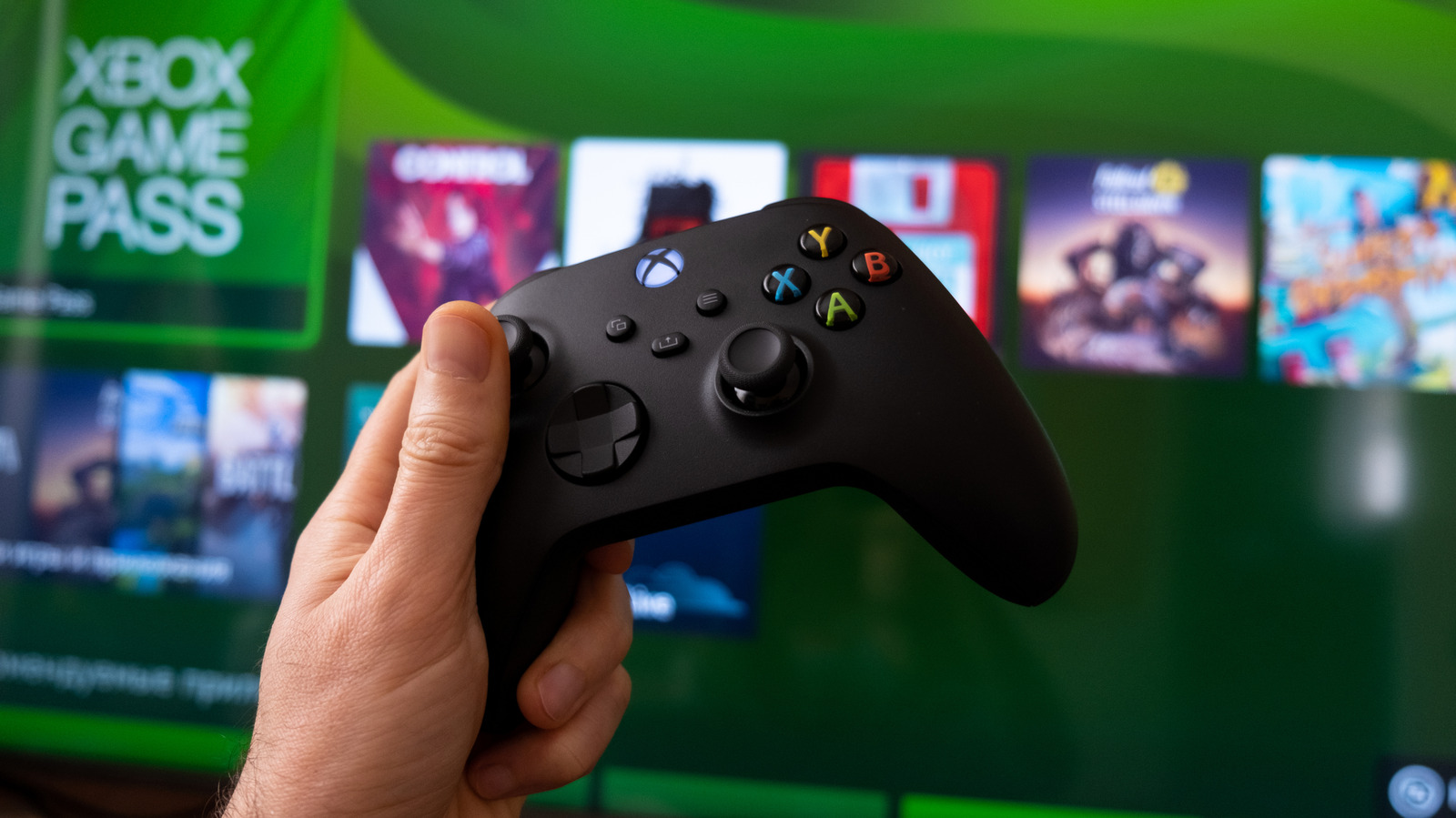
The other two stories on the desk look unrelated, but they point the same direction. Engadget reports that Codenames Party is the latest addition to Netflix Games, introducing a new Party Mode for streaming subscribers. Engadget also published guidance on getting value from Xbox Game Pass Ultimate, noting that the tier may not be the right fit for people who do not value day-one releases or the other perks.
Both are engagement stories. Netflix adding a word-association game is not a bid to compete with console gaming. It is a bid to give subscribers another reason to open the app, and Party Mode specifically implies a shared, social use case that a household is more likely to repeat than a solo title. Microsoft's Game Pass tiering, meanwhile, makes the same point from the pricing side: the value proposition rests on whether a subscriber actually uses the perpetual stream of releases, not on whether they own a particular box.