A narrow pattern in a wide field
Two themes dominate the funding news logged on this beat: artificial intelligence applied to back-office work, and payments infrastructure built on stablecoins. The sums involved differ by roughly two orders of magnitude, but the underlying logic is the same. Investors are funding companies that either automate labor already being paid for, or move money through rails that bypass legacy settlement. Both are bets on replacing existing spend rather than creating new demand.
EliseAI and the price of applied automation
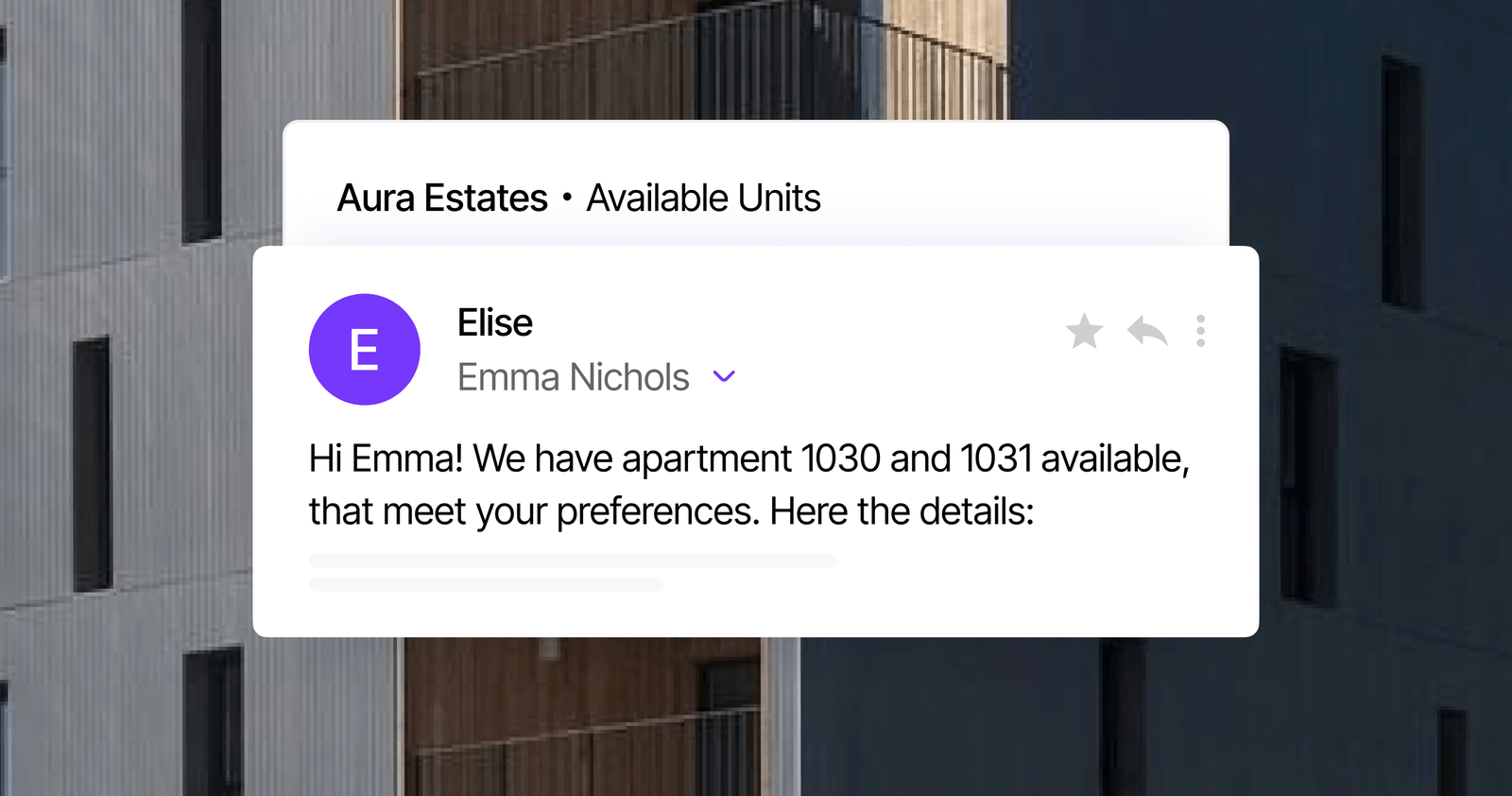
EliseAI's $350 million round, jointly led by Andreessen Horowitz and Bessemer, is the largest item on the log. As SiliconANGLE reported, the company develops AI tools for real-estate companies and healthcare providers, and the round included Ontario Teachers' Pension Plan, Sapphire Ventures and Navitas Capital. TechCrunch reported that the raise doubled the company's valuation to $4 billion within a year.
That doubling is the substance of the story. A $4 billion valuation one year after a prior round implies investors are marking up their expectations faster than the company's publicly disclosed revenue or customer figures would normally justify. The participation of a pension plan alongside two established venture firms suggests the round was structured to appeal to institutional capital, not only to growth-stage specialists. For US technology companies, the signal is that AI vendors selling into property management and healthcare administration can command growth-stage pricing without being AI-first in the consumer sense. The product is automation of scheduling, leasing and patient communication. The buyer is an operator with a labor line item to cut.
Why the real-estate and healthcare angle matters
Both verticals are large, fragmented and heavily regulated at the state level in the US. They are also labor-intensive in exactly the functions that language models handle well: routine correspondence, intake, follow-up and documentation. That combination explains why EliseAI attracted capital despite competing against larger enterprise software vendors and general-purpose AI platforms. The defensibility is not the model. It is the integration into existing property-management and provider workflows, which is slow to build and slow to displace.
Walapay and the smaller stablecoin bet
Walapay Inc. raised $4.6 million in a seed round led by Generative Ventures to bring global payments to local businesses, according to SiliconANGLE. The company describes itself as payments infrastructure using stablecoins for account issuance and payouts. Commerce Ventures, Rally Cap VC, Polygon, Verda Ventures, NGC Ventures, FGV Capital, Digital Finance Group, Knollwood and Big Brain also participated.
The round is small, and the comparison to EliseAI is deliberately unflattering in dollar terms. But the investor list is instructive. It mixes venture funds with a blockchain network and several crypto-native firms, which is typical of seed-stage stablecoin infrastructure. The disclosed use case is near-instant global payments for local businesses, which means the target customer is a US small business or a platform serving one, not a large financial institution. That is a harder selling motion with lower contract values, and the raise reflects it.