The Thread: The Processor Market Is Fragmenting
Three recent stories on this beat point to a single shift: the processor business is no longer organized around one flagship product cycle for one global market. Intel is pushing Nova Lake platforms through USB-IF and PCI-SIG compliance, laptop memory prices are repricing entire systems, and Google is preparing to put Tensor-derived AI processors in orbit. Each story describes a different axis along which processors are being pulled apart: launch readiness, component cost, and operating environment.
Intel's Compliance Push Signals an Imminent Platform Launch
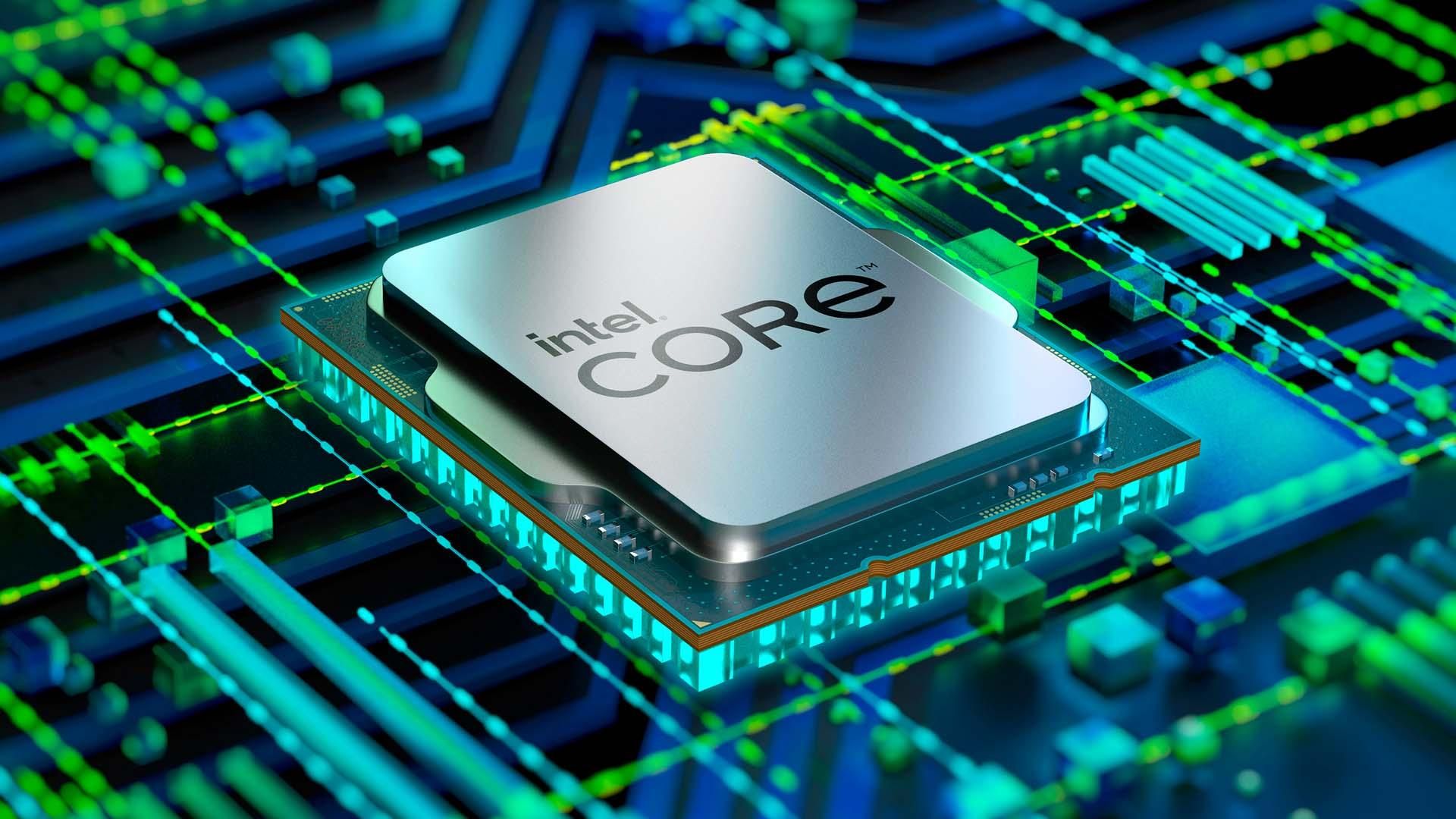
Intel's next-generation Core Ultra 400-series "Nova Lake" platforms have passed interoperability and compliance testing with USB-IF and PCI-SIG, as Tom's Hardware reported. For a U.S. audience, the significance is less about any single benchmark and more about timing. Compliance sign-off is one of the last gates before a platform can ship in volume to OEMs, and it indicates that Intel is close to a launch window for Nova Lake CPUs and companion chipsets.
The standards process matters commercially. PCI-SIG and USB-IF certification is what allows motherboard vendors, laptop ODMs and peripheral makers to commit to a platform without legal or interoperability risk. A pass tells the supply chain that the I/O groundwork is done. That is a different signal from a paper launch or a press briefing; it is a signal aimed at the companies that build around a processor, not at the consumers who eventually buy one.
Memory Costs Are Rewriting the Economics of Laptop Processors
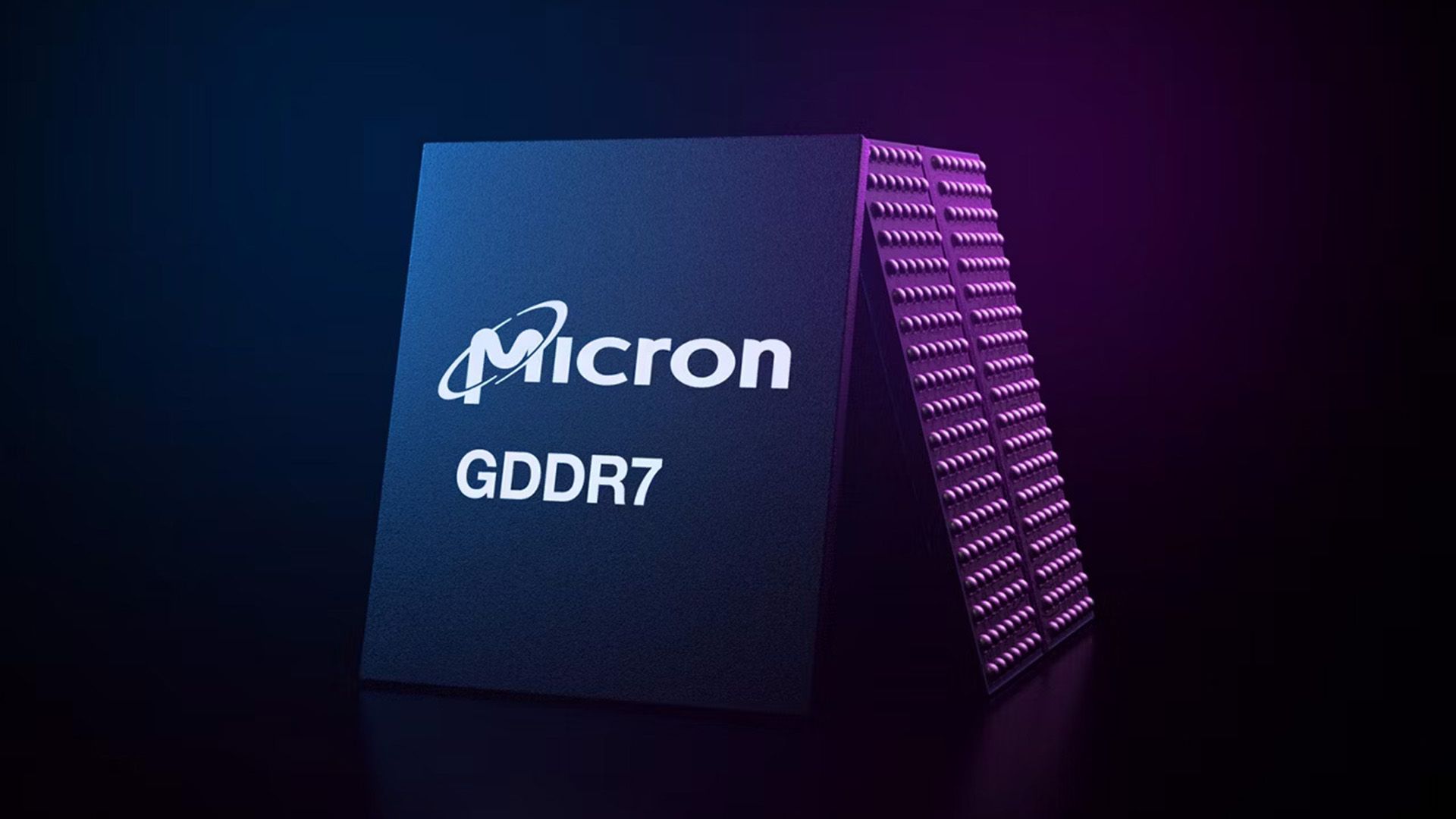
At the same time, the cost structure around processors is under strain. XMG has noted that SO-DIMM DDR5 laptop memory prices have jumped six-fold in 12 months, according to Tom's Hardware. The same reporting notes rising costs for PCBs, CPUs and GPUs. XMG, a niche laptop manufacturer, has responded by raising suggested retail prices by between $113 and $342.
That matters because processor launches do not happen in a vacuum. Nova Lake's compliance milestone and the DDR5 cost surge are colliding: a new platform cycle normally encourages buyers to refresh, but memory pricing can blunt that. For U.S. consumers and businesses, the practical consequence is that a next-generation CPU may not translate into a cheaper or even similarly priced laptop. System vendors can absorb only so much before passing costs along, and XMG's price adjustments show what that looks like at the smaller end of the market, where there is less room to absorb component inflation.
Google Takes AI Processors Off the Grid
A third path is opening above the conventional data center. Google is preparing to launch a satellite carrying its AI processors to test how they perform in space, as The Verge reported, citing earlier reporting by The New York Times. The effort is part of Project Suncatcher, an experimental initiative that could eventually place AI data centers in orbit.