📣

Advertisement

Google Ad - 970×90 Leaderboard  TOP_LEADERBOARD_4

Startups Chase Energy Frontiers Beyond Earth's Limits
Article

Startups Chase Energy Frontiers Beyond Earth's Limits

Three recent startup stories share one thread: the hunt for energy and compute capacity is pushing ventures past conventional boundaries.

ManishankarSeptember 22, 20265 min read

Photo: TechCrunch

📣

Advertisement

Google Ad - 970×90 Leaderboard  TOP_LEADERBOARD_4

The startup beat is increasingly defined by ventures that treat energy and compute capacity as problems to be solved outside the usual constraints. Three recent stories on this beat - Breakthrough Energy's bet on twenty-one startups, a reopened exhibitor program for TechCrunch Disrupt 2026, and an Nvidia-backed plan to mine Bitcoin in space - all point to the same pattern: founders and their backers are no longer optimizing within existing infrastructure. They are trying to build new infrastructure, sometimes in new places, because the demand they see coming does not fit the old map.

The Demand Signal Behind the Bets

Bill Gates' Breakthrough Energy has selected twenty-one startups it expects to shape energy's future, according to TechCrunch. The reasoning attributed to investors at that firm is that the coming wave of electrification will make data center energy demands look quaint by comparison. That is a striking claim from a group that is not known for hyperbole. It suggests that the investors closest to the energy transition see current data center growth - which has already strained grids and supply chains in the United States - as a preliminary phase. The twenty-one startups are the instruments they are using to prepare for what comes after. For US technology companies, this matters because the cost and availability of power is becoming a direct input into product roadmaps and capital budgets. A startup that can deliver firm, clean, scalable electricity is not just an energy story; it is a technology infrastructure story.

Electrification as a Startup Category

The Breakthrough Energy list is not a set of science projects. It is a portfolio bet that the next decade of startup value creation will include companies whose primary product is electrons, heat, or storage. That has implications for the US market. If electrification demand does outpace data center demand, as the investors quoted by TechCrunch suggest, then the startups that solve generation, transmission, and storage will have customers that include the largest technology firms in the country. Those technology firms have already shown a willingness to sign long-term power contracts and to fund new capacity directly. The startup opportunity is not merely to sell into that demand but to become the infrastructure that makes the demand possible. That is a different posture from the software-era model of asset-light scaling. It requires capital, permitting, and hardware - and it explains why Breakthrough Energy, with its long horizon, is a natural backer.

The Exhibition Floor as a Signal

TechCrunch has reopened its exhibitor program for Disrupt 2026 for one more week, with exhibit tables available until September 30 and the event itself at San Francisco's Moscone West from October 13 to 15. The publication says the showcase puts startups in front of more than ten thousand founders, investors, and technology leaders. On its own, that is a scheduling notice. In the context of the other two stories, it is a reminder that the startup economy still runs on physical gathering and on the hope of being seen by the right investor. The reopening of the program - a second chance to book a table - suggests that demand for exhibition space is not infinite, even at a flagship event. For US startups, particularly those outside the major hubs, the cost and logistics of a presence at a San Francisco event remain a real barrier. The fact that the window was extended rather than closed early is a small data point about the state of the market: events are competing for exhibitors, and startups are being selective about where they spend.

Advertisement

📣

728x90

MID_CONTENT_2

Mining Bitcoin Off-Planet

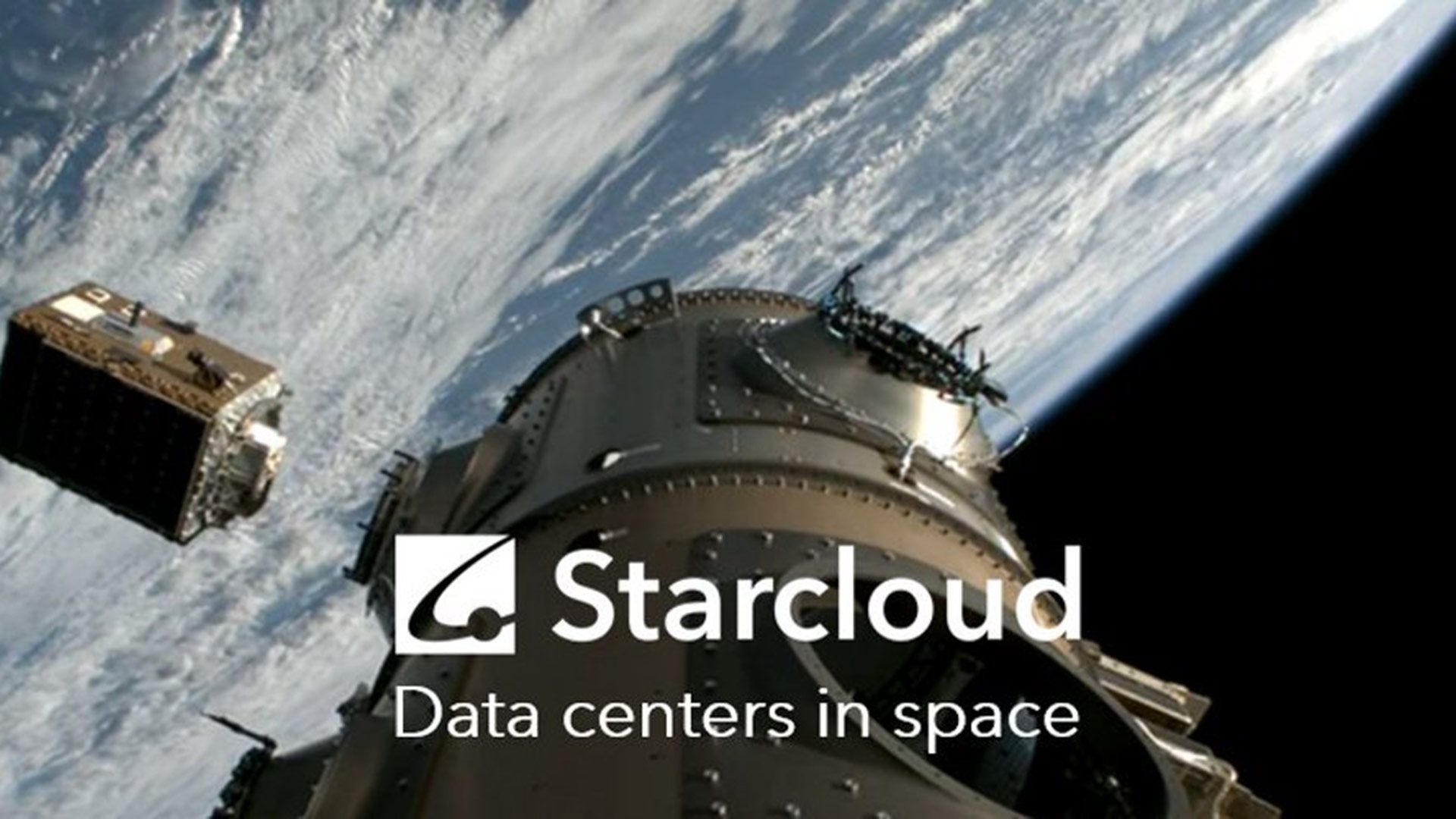
An Nvidia-backed startup plans to establish a Bitcoin mining operation in space before the year is out, according to Tom's Hardware. That is the most extreme expression of the pattern. Bitcoin mining is fundamentally an energy arbitrage business: it seeks the cheapest possible power and the fastest possible deployment of compute. If a venture is proposing to move that compute off the planet, it is because the founders believe terrestrial energy constraints - grid interconnection queues, land use, cooling, and regulatory friction - are severe enough to justify the cost and risk of a space-based alternative. It is easy to dismiss this as a stunt. But the underlying thesis is consistent with the Breakthrough Energy logic: demand for compute and for the energy that powers it is running ahead of the infrastructure built to serve it. For US technology companies, a space mining venture is not directly relevant to their operations. What is relevant is the signal it sends about how acute the terrestrial constraints have become. When credible backers fund a space-based workaround, the conventional options are, by definition, not keeping pace.

What This Means for the US Startup Market

The common thread is that startups are being pushed toward frontier infrastructure because the incremental path is congested. In the United States, that manifests as long interconnection queues, local opposition to new data centers, and a mismatch between where power is generated and where compute is needed. The Breakthrough Energy portfolio, the Disrupt exhibitor scramble, and the space mining plan are three different responses to the same condition. The first is a patient capital bet on new energy technology. The second is a reminder that the startup community still needs the physical and social infrastructure of conferences to raise money and find customers. The third is a speculative leap that only makes sense if the constraints on Earth are genuinely binding. None of these stories tells a US founder to move to space or to build a power plant. But together they suggest that the most interesting startup activity in the coming period may be in the unglamorous work of making more energy and more compute available, rather than in the applications layered on top.

What to Watch

Three specific things are worth tracking, based on what these stories actually say. First, whether the twenty-one Breakthrough Energy startups announce commercial deployments or offtake agreements with US technology companies, which would confirm that the electrification demand thesis is translating into contracts. Second, whether TechCrunch's Disrupt 2026 exhibitor program fills its remaining tables by the September 30 deadline, which would indicate continued willingness among startups to pay for visibility in a crowded market. Third, whether the Nvidia-backed space mining venture meets its stated goal of establishing an operation before the year is out, and if so, what that says about the economics of terrestrial mining for the broader US crypto and compute sectors. Each is a concrete, date-bound marker. None requires a prediction about the future beyond what the stories themselves put on the record.

More on this beat: Companies on TechManNews.

Advertisement

📣

728x90

IN_ARTICLE_5

#startups#energy#venture capital#bitcoin mining#techcrunch disrupt#breakthrough energy

Newsletter

Get Tech News in Your Inbox

The latest AI, gadgets, software and startup stories from TechManNews, delivered every morning - free.