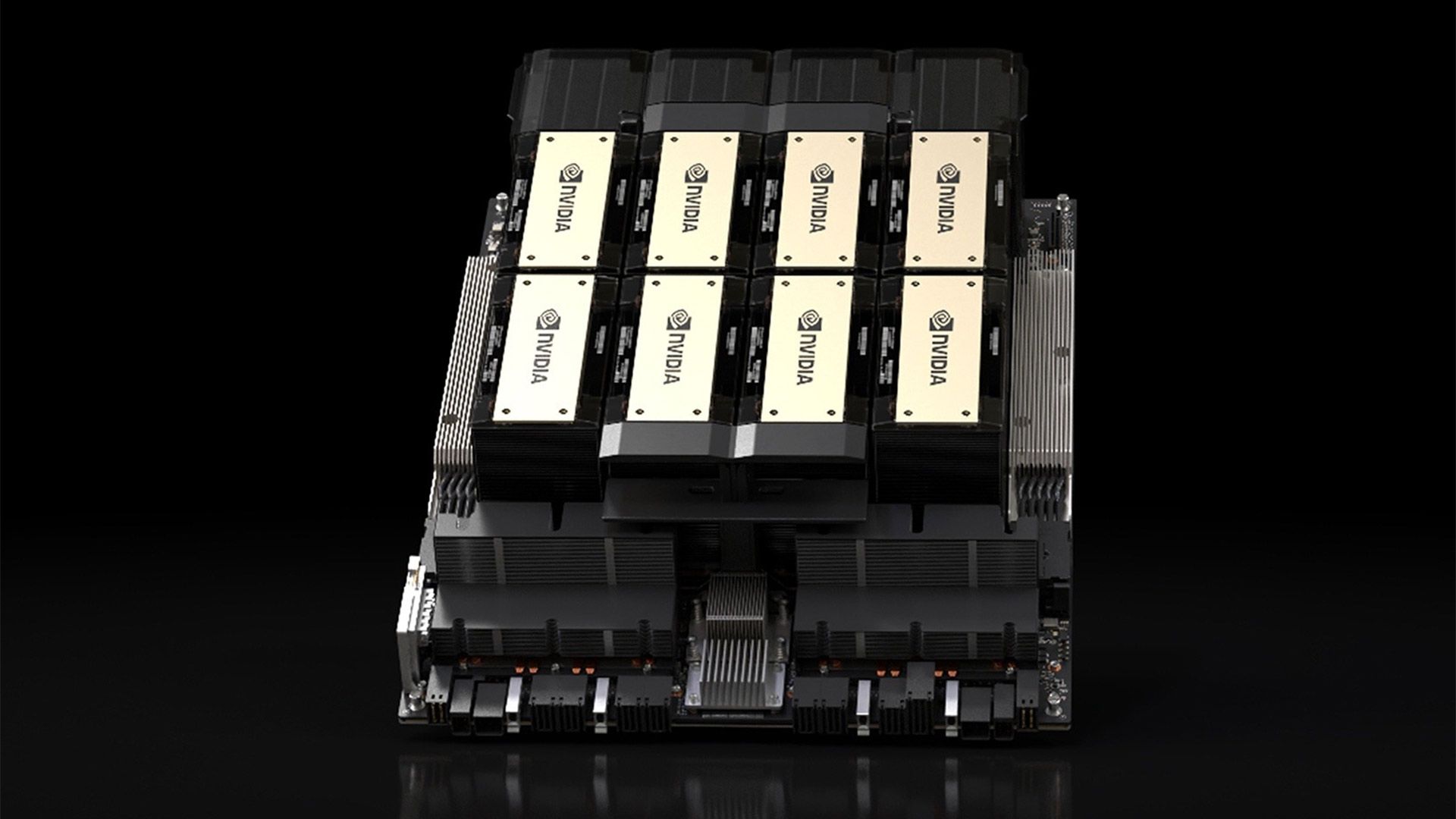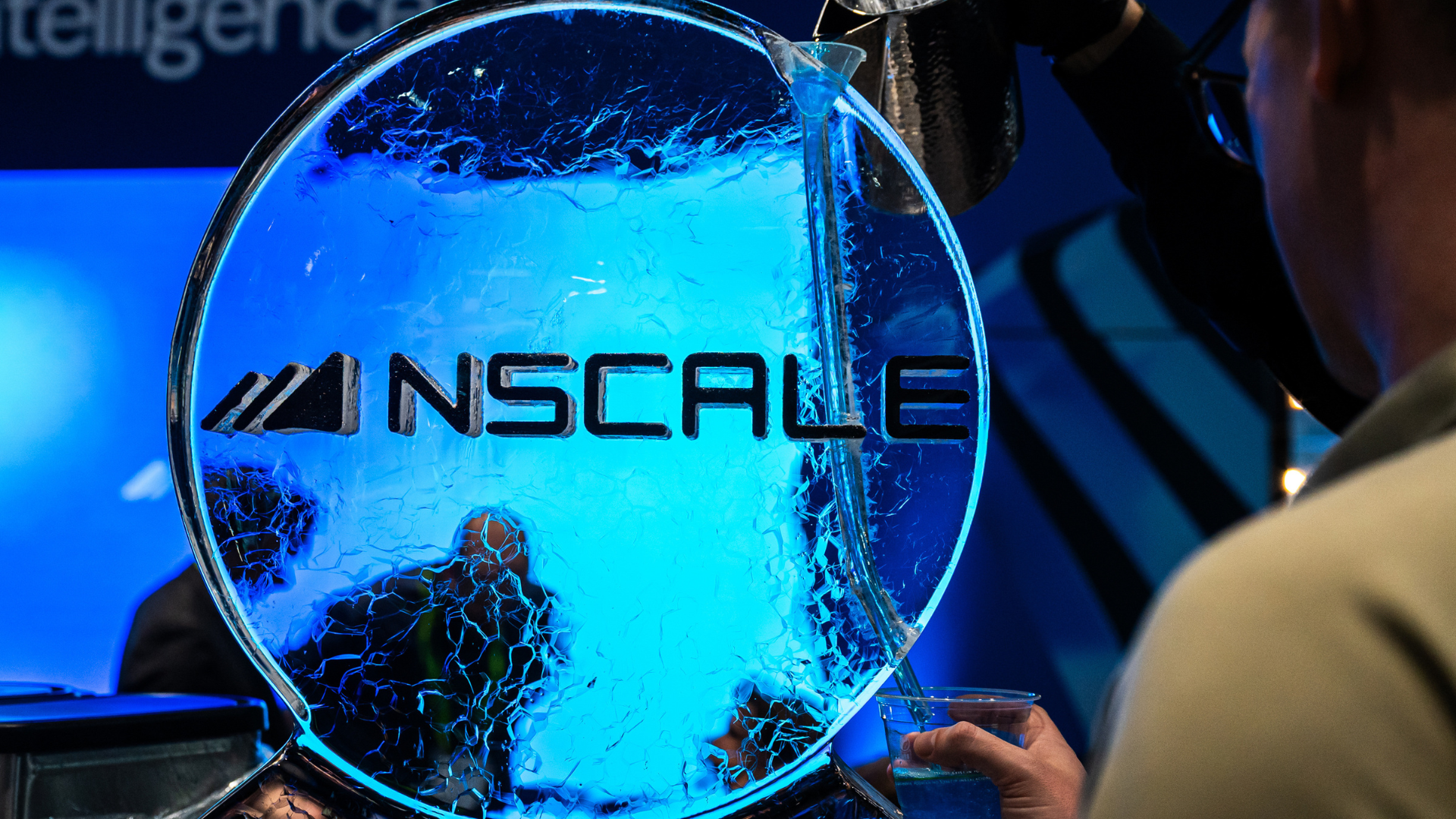
Norway-based data center operator Nscale gave a Singaporean subsidiary of TikTok owner ByteDance access to more than 2,000 Nvidia B200 chips, according to details that surfaced through Nscale's regulatory filings. The arrangement became public only after Nscale released its S-1 documents in connection with an initial public offering in the United States. Nscale's S-1 filing does not directly name ByteDance or its subsidiary; the connection appears instead in a supporting document, a $105 million loan agreement with Macquarie.
That loan agreement identifies Spring (SG) Pte Ltd, a ByteDance subsidiary incorporated in Singapore, as a significant customer of Nscale. According to the supporting document, the $105 million credit, together with $35 million in equity, helped fund Nscale's purchase of advanced Nvidia AI GPUs. The chipmaker Nvidia took notice of the arrangement.
A month after Nscale drew the first tranche of the Macquarie loan, Nscale closed a deal with Microsoft and Nvidia, and Nvidia chief executive Jensen Huang committed to invest more than $660 million into Nscale. That funding is part of an agreement under which Nvidia promised to buy large volumes of AI chips from Nscale in the future. Nvidia has since raised its commitments to more than $2 billion, plus an additional $860 million guarantee on Nscale's lease at a Texas facility.
Nscale has gone on to secure larger contracts with other AI hyperscalers, including a $44 billion deal with Microsoft and a $45 billion contract with Anthropic. The company has said those deals would push the Spring contract below 20 percent of its overall revenue, and it expects that share to shrink further as it signs more Western clients.
Because of Spring's link to ByteDance, Macquarie required Nscale to monitor how the Chinese subsidiary used the AI chips and to report compute anomalies or suspicious configurations that might violate U.S. export controls. Nscale also had a third party perform due diligence on ByteDance and on the Singapore-based subsidiary to confirm the deal complied with the law.
Chinese companies have been exploiting gaps in U.S. export controls to reach advanced AI chips. They cannot import the most advanced Nvidia AI GPUs, such as Blackwell and Vera Rubin, into China, but they can rent such chips from companies based abroad or buy them directly through subsidiaries founded outside China. The U.S. has recently closed the subsidiary loophole, and the Trump administration is working to close the rental route as well.
It is unclear whether those moves would affect the Spring-Nscale deal. Recent delays on gigawatt-scale data center projects in the United States mean Nscale could pick up more clients as AI hyperscalers race to secure compute from smaller facilities.
More hardware news from TechManNews.