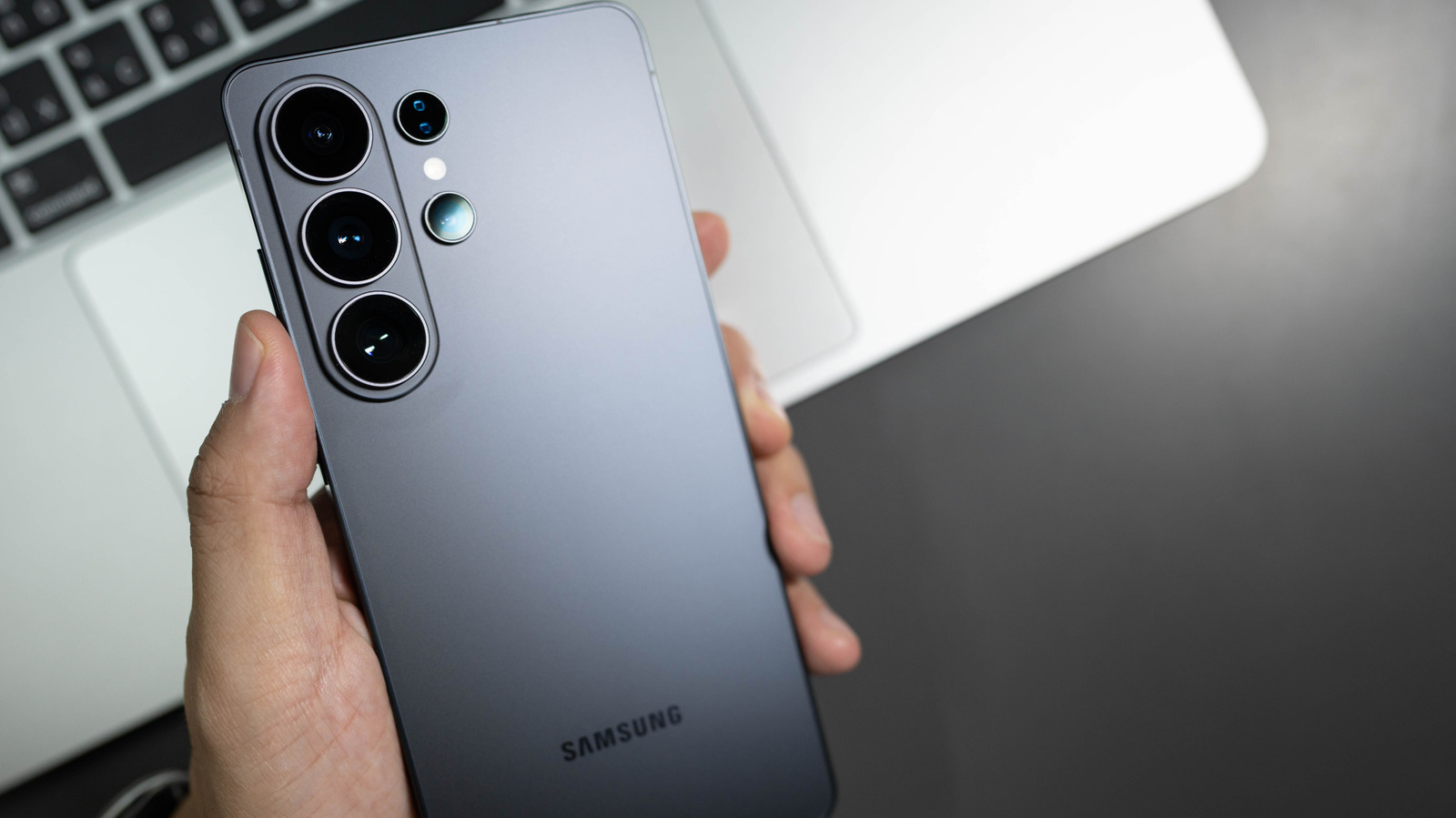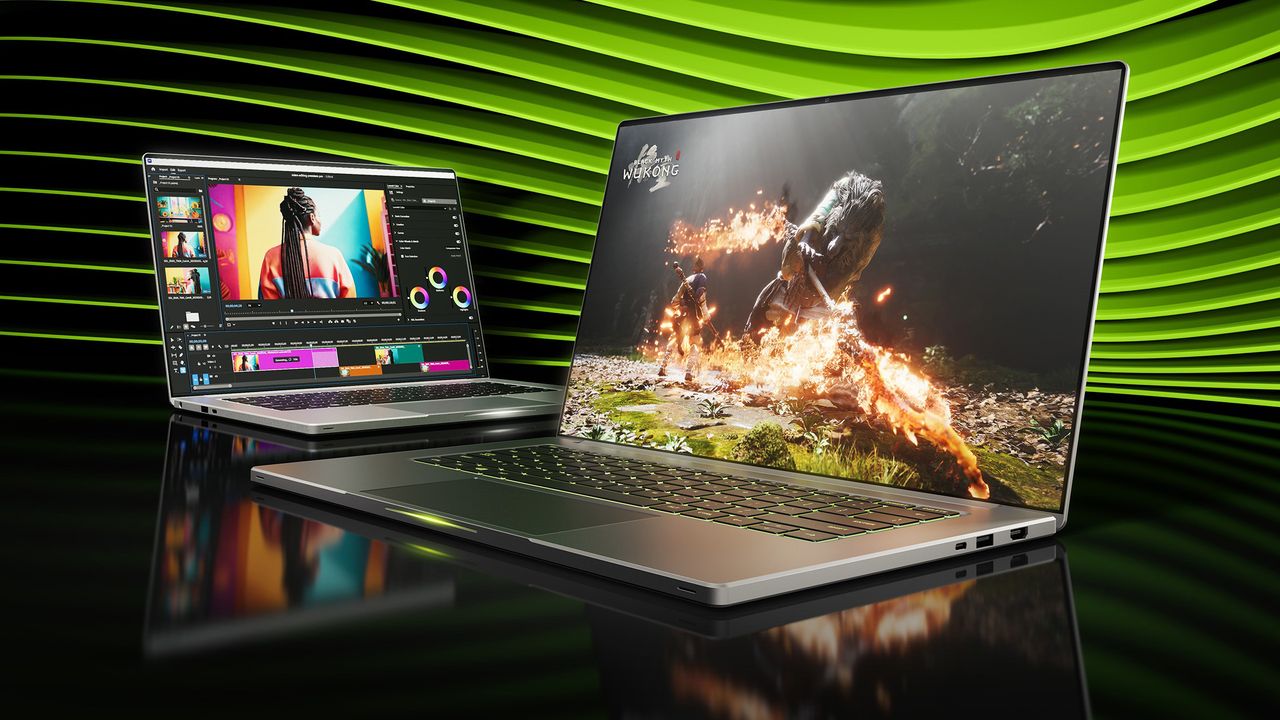
The laptop market has quietly split its price tag in two. What a buyer pays at checkout increasingly covers only the chassis, screen and silicon, while the performance, features and lifespan of that hardware are being negotiated afterward - through firmware tweaks, subscription-adjacent services and refurbishment channels. Three stories logged on this beat this week, from The Verge and Tom's Hardware, each describe a different layer of that same shift.
The Discount Is the Business Model
The most straightforward example is Lenovo's Yoga Slim 7X, which The Verge reports is available at Best Buy for the rest of today at a price that makes it, in that outlet's assessment, the most laptop $1,000 can currently buy. The configuration described is not modest: a 14-inch 2K 16:10 OLED touchscreen and Snapdragon's high-end X2 Elite processor with 12 cores. A machine with that display and that chip class sitting at a four-figure price is the headline, and it is worth asking why such a configuration can be sold there.
Part of the answer is that the component stack underneath it is no longer the differentiator it once was. When a 2K OLED panel and a twelve-core Arm chip land in a sub-$1,000 14-inch chassis, the hardware has been commoditized to the point where retail promotion, not engineering, sets the price. That is good news for US consumers in the short term and an awkward fact for anyone trying to sell $1,500 laptops on spec sheets alone.
The Other Side of the Ledger
The second story explains where some of that margin went. The Verge notes that most hardware prices have soared in 2026, and that this includes a variety of Apple laptops, tablets and smart devices. Against that backdrop, a refurbished 64GB Apple TV 4K at $169, $30 below the new retail price, is presented as a way to offset increased costs.
The detail that matters for this beat is not the streaming box. It is the confirmation, from a second outlet on the same day, that the 2026 pricing environment is elevated across Apple's computing and device lineup. When new-device prices rise, the secondary market stops being a niche for bargain hunters and becomes part of the mainstream purchase path. For US buyers, the practical consequence is that the effective entry price of a given platform is now whatever the refurbished channel charges, not whatever the manufacturer's list price says.
Power Limits as a Product Feature
The third story is the most telling, because it shows users refusing to accept the performance they were sold. Tom's Hardware reports that a developer has created a fully vibe-coded tool that appears to work in allowing some GeForce RTX 50-series laptops to raise their power limits by as much as 28 percent, pushing an RTX 5090 mobile GPU to 225W.