The smartphone stories worth logging right now are not about new glass slabs. They are about control: how owners wrest a stubborn button into compliance, how a handset becomes a remote for everything else in the room, and what a future flagship chip will quietly enable. The common thread is that the phone in a US consumer's pocket is increasingly defined by software latitude and connectivity, not by the spec sheet that sold it.
The Side Button as a Test Case
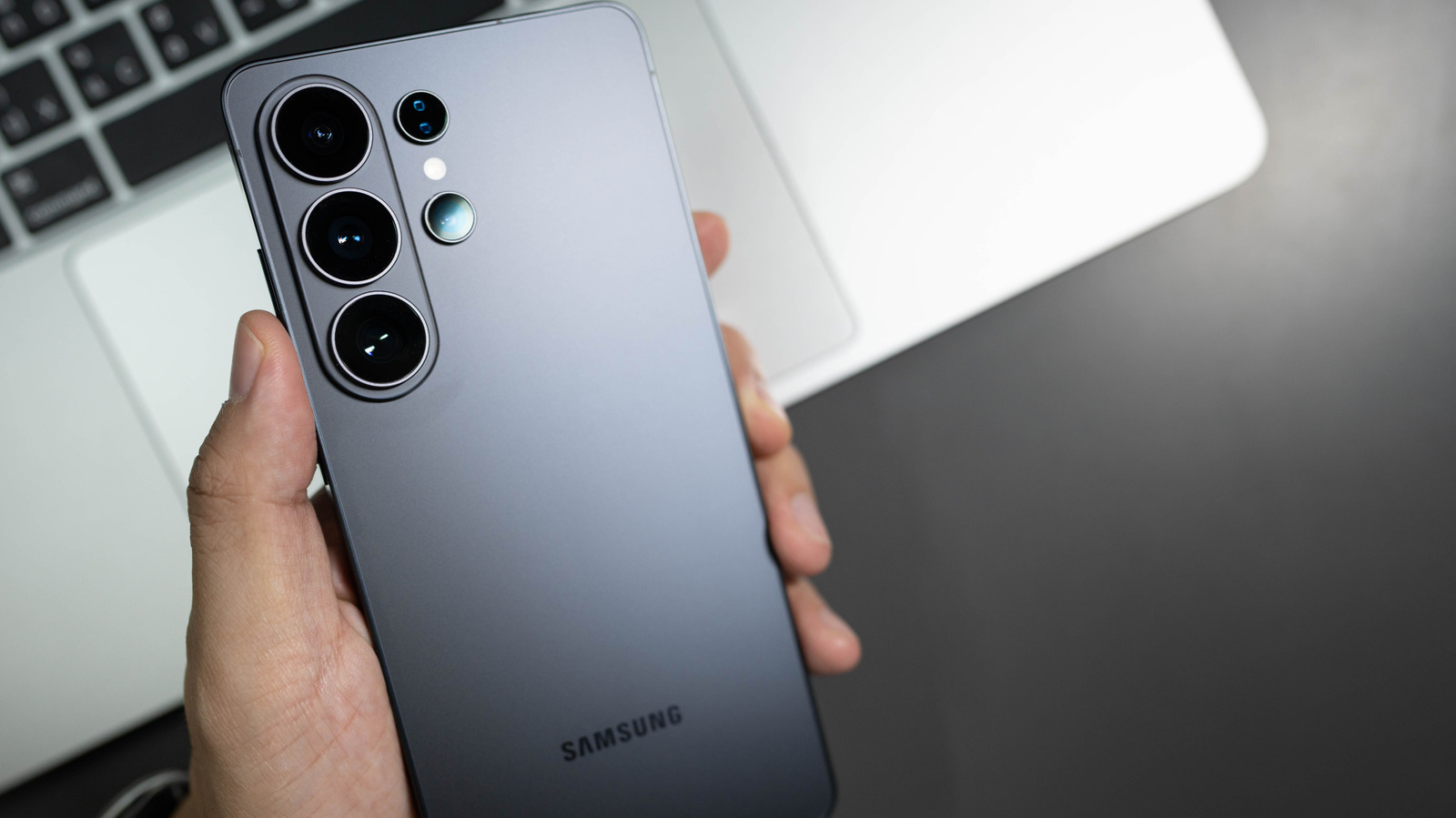
Engadget's recent guidance on customizing the side button on Samsung Galaxy phones is easy to dismiss as a how-to. It is more useful read as evidence. The side button has performed different functions over the years, and the piece notes that owners can make it do whatever they want. That is a small admission with a large implication: the physical controls on a modern smartphone are no longer fixed hardware features. They are configurable surfaces, and the configuration lives in software that the manufacturer controls, updates, and can change.
For US buyers, this cuts both ways. A button that can be reassigned is a button that can be reassigned by someone else. When a company ships an update that alters what a long-press does, or when a regional variant of the same handset maps the button differently, the user experience diverges without any change to the hardware they paid for. The value of the device is now partly a function of the software policy attached to it.
Your Phone as the Remote for the Room
The second Engadget story moves the same logic outward. Some phones have IR blasters to enable remote functions, but even without one, a phone can do quite a lot over Bluetooth and Wi-Fi. The phone is not competing with the television remote. It is absorbing it, along with the streaming box, the soundbar, and eventually the rest of the connected home.
That absorption is good for US consumers in the obvious way: fewer remotes, fewer lost batteries, fewer input-switching rituals. It is also a lever. The phone becomes the primary interface through which a household negotiates with its entertainment hardware, which means the phone's software stack, its account system, and its connectivity standards become the gatekeepers of the living room. A handset that cannot speak a given protocol, or that a given TV vendor chooses not to support, is a handset that leaves its owner reaching for a plastic remote again.
This is where the US market matters. American households tend to own televisions and streaming devices from several different vendors, more than is typical in many other markets. The phone-as-remote pattern only works if the phone can bridge all of them, which makes interoperability a consumer issue rather than an engineering footnote.
The Chip Story Is Really a Software Story
The third logged story is the most forward-looking and the most misread. CNET reports that Qualcomm's Snapdragon 8 Elite Extreme Gen 6 chip will be in the top phones of 2026 and 2027, and frames its capabilities as three major upgrades heading to the next flagship Android phone. The temptation is to treat this as a hardware story, a familiar cycle of faster silicon and better benchmarks.
But the pattern across all three stories says otherwise. New chip capability in a flagship Android handset is realized only through software. Faster on-device processing is what makes a configurable button responsive, what lets a phone juggle Bluetooth and Wi-Fi connections to a room full of devices without stutter, and what enables the features that handset makers will actually advertise. The silicon sets a ceiling. The software decides how close to that ceiling a US buyer ever gets.