๐Ÿ“ฃ

Advertisement

Google Ad - 970ร—90 Leaderboard ย TOP_LEADERBOARD_4

Component Scarcity Is Rewriting the Rules of PC Hardware
Article

Component Scarcity Is Rewriting the Rules of PC Hardware

Four recent stories share one thread: memory and storage shortages are reshaping prices, supply, and consumer behavior across the US hardware market.

Arjun NairSeptember 14, 20264 min read

Photo: The Verge

๐Ÿ“ฃ

Advertisement

Google Ad - 970ร—90 Leaderboard ย TOP_LEADERBOARD_4

The defining force in PC hardware right now is not a new architecture or a breakthrough chip. It is scarcity - specifically of RAM and storage - and it is warping product pricing, retail availability, and even how enthusiasts acquire parts. Four stories logged on this desk in the past two days, from Valve's headset pricing to landfill scavenging, all trace back to the same constraint.

Valve's Pricing Ceiling Meets the Memory Market

Valve's Steam Frame headset arrived this week with a price above what the company had targeted. As The Verge reported, Valve said it "set out to come out with a device that would have been far more affordable, but the global RAM market, the global storage market have impacted us the same way they've impacted everybody." The company had aimed below $1,059, but that target did not survive contact with component costs. That is a significant admission from a hardware maker with deep supply-chain experience and the scale to negotiate. When Valve cannot hit a price point because of memory and storage costs, the problem is systemic rather than company-specific. For US consumers, it means the cost of entry for a premium VR platform is higher than the product roadmap assumed. For US technology companies, it means that even well-capitalized firms are being forced to pass through costs they cannot absorb.

The RTX 5090 Shows What Scarcity Does at the Top

The GPU market offers the starkest illustration. Nvidia's RTX 5090 is out of stock from first-party sellers online in the US, and third-party sellers are now demanding as much as $9,500 for the card, according to Tom's Hardware. That is not a launch-window inconvenience; it is a structural breakdown in distribution. When first-party channels empty out, pricing power migrates to resellers who face no upward constraint. The result is that the fastest consumer GPU becomes effectively unavailable to ordinary buyers at anything resembling its intended price. For US consumers, the practical effect is that the highest tier of PC gaming hardware is being rationed by price rather than allocated by supply. For US companies, it means that Nvidia's consumer flagship is generating headlines about aftermarket markups rather than adoption.

The Secondhand and Salvage Economy Expands

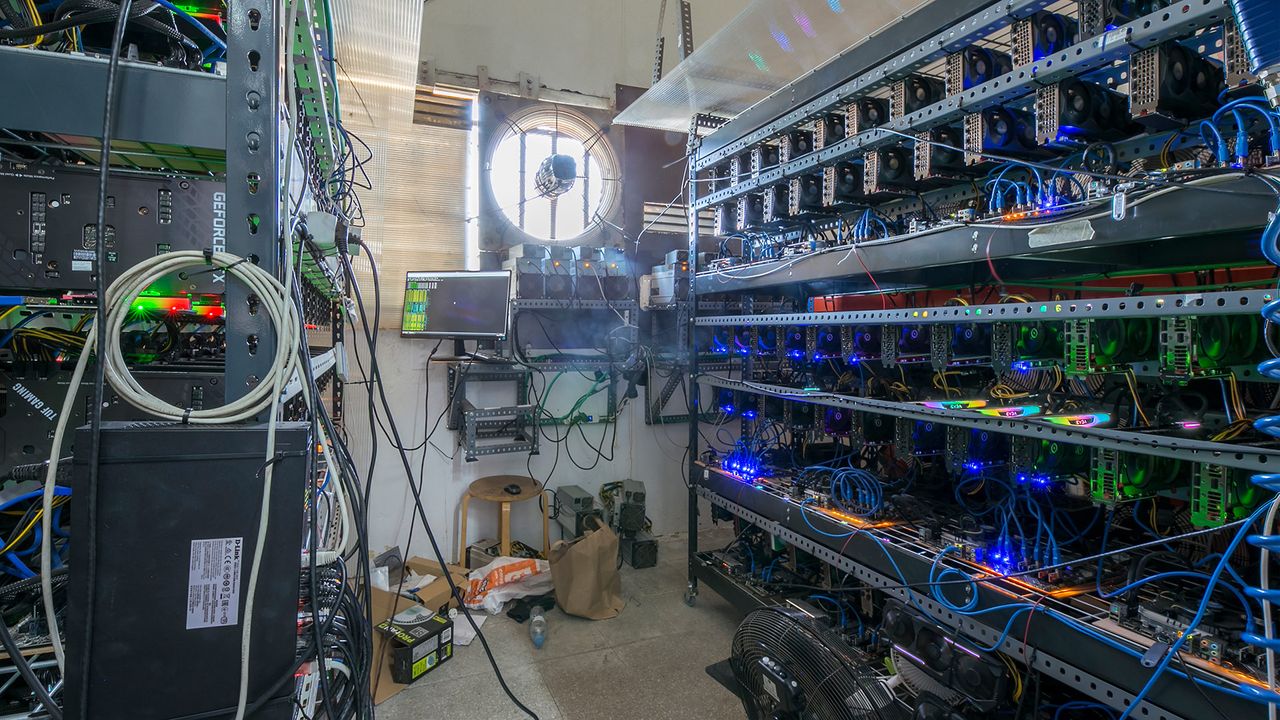
When new parts become prohibitively expensive, buyers look elsewhere. Tom's Hardware reported on a tech enthusiast who built a home-lab Proxmox server from PC parts scavenged during weekly landfill runs, recovering SSDs, HDDs, GPUs, and even RAM, and also netting an Asus ROG laptop. This is not a curiosity. It is a rational response to a market where memory and storage - the exact components Valve cited - are scarce and expensive. Salvage operations that were once hobbyist eccentricities become economically sensible when the alternative is paying elevated retail prices or aftermarket markups. For US consumers, it signals that a segment of the enthusiast market is opting out of primary channels entirely. For US technology companies, it represents demand that is not being captured, and a secondary market that competes with new sales in ways that are difficult to measure.


Advertisement

๐Ÿ“ฃ

728x90

MID_CONTENT_2

The Configuration Question Nobody Wants to Answer

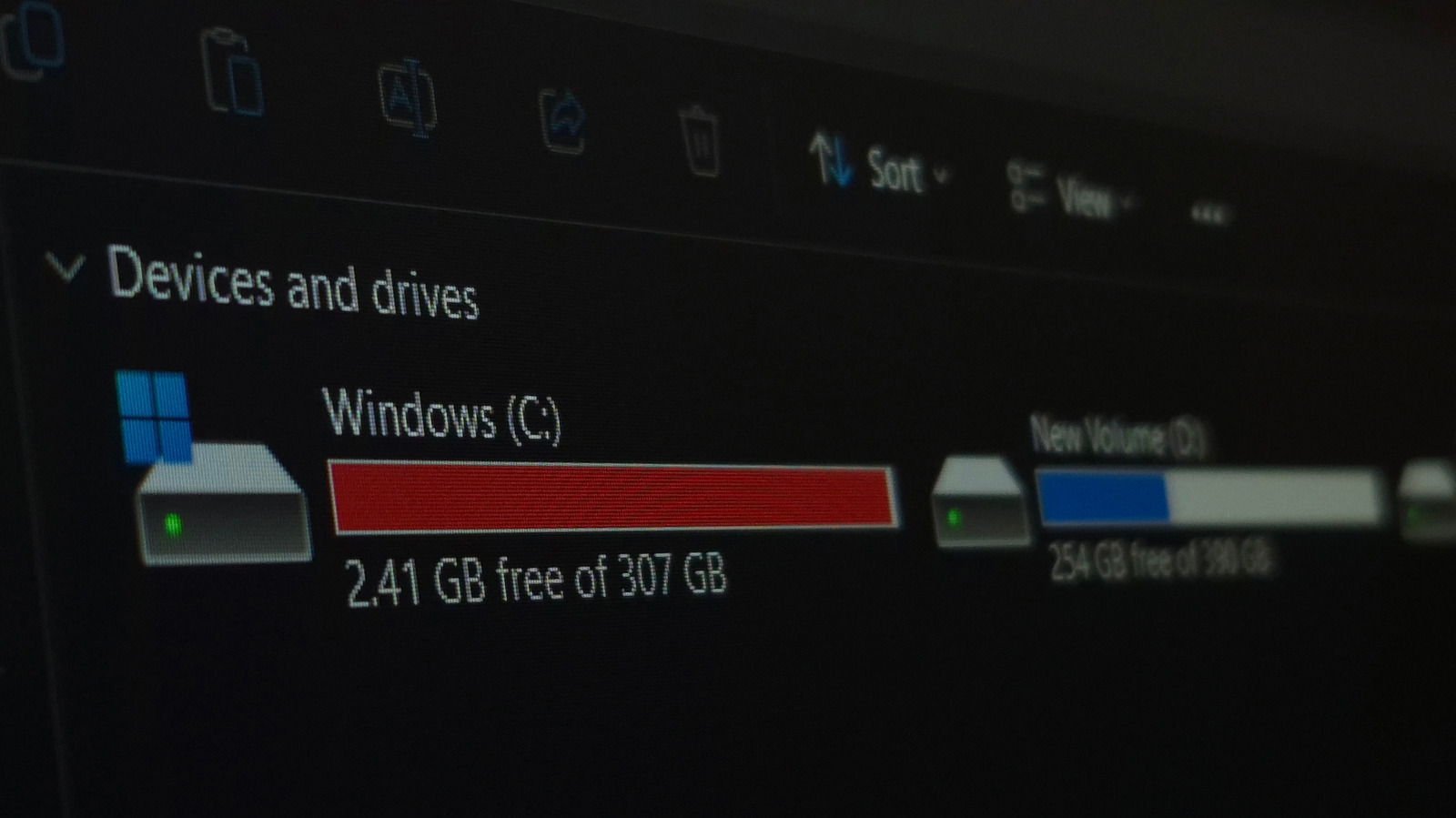
Amid all this, Engadget published a piece on MSI mode on Windows PCs, a setting the outlet advised readers probably should not mess with. The piece is modest in scope, but it fits the pattern: when hardware is expensive and hard to obtain, users look for ways to extract more performance from what they already own. Tuning guides, optimization settings, and configuration tweaks gain audience when upgrading is not an option. The advice itself - leave it alone - is a reminder that software-side gains are limited and carry risk. The broader takeaway is that the software layer cannot compensate for a hardware market where the underlying components are constrained. For US consumers, the appeal of free performance is understandable but bounded. For US companies, it suggests that the pressure to deliver value through software is rising precisely as hardware costs make new purchases less attractive.

What the Pattern Means for the US Market

The thread connecting these stories is not merely that components are expensive. It is that scarcity is redistributing who gets hardware and at what price. Valve, a company with substantial resources, is adjusting its pricing upward because of RAM and storage costs. Nvidia's flagship GPU is effectively unavailable through first-party US retail channels, with third-party sellers asking up to $9,500. Meanwhile, salvage from e-waste is being treated as a viable sourcing strategy for home-lab equipment. This is a market where allocation is increasingly determined by willingness to pay rather than by availability. For US technology companies, the implications are mixed: higher prices can protect margins, but they also suppress unit volumes and push buyers toward alternatives, including used and salvaged parts. For US consumers, the squeeze is direct - less hardware at higher prices, with fewer good options in between.

What to Watch

The stories above point to a few concrete things to monitor. First, whether Valve's Steam Frame pricing holds or moves, given the company's explicit link to RAM and storage markets, as reported by The Verge. Second, whether the RTX 5090 remains absent from first-party US retail and whether third-party pricing near $9,500, per Tom's Hardware, persists or eases. Third, whether salvage and secondhand sourcing, like the landfill-derived Proxmox build Tom's Hardware described, becomes a more visible part of the US hardware market rather than an outlier. And fourth, whether software-side optimization advice, such as Engadget's caution on MSI mode, continues to fill the gap left by hardware that is harder to buy. None of these are predictions; they are the places where the pattern will either hold or break.

More on this beat: Hardware on TechManNews.

Advertisement

๐Ÿ“ฃ

728x90

IN_ARTICLE_5

#PC Hardware#Component Shortages#GPU Pricing#Consumer Electronics#Supply Chain#US Market

Newsletter

Get Tech News in Your Inbox

The latest AI, gadgets, software and startup stories from TechManNews, delivered every morning - free.