Three apparently unrelated stories this week share a single thread, and it runs through the same gap: the security perimeter US technology companies actually depend on is no longer inside their own buildings or their own networks. A mass-scanning campaign against exposed Vite development servers, new ransomware-focused storage features from 45Drives, and a Wired account of a young woman targeted through an online harassment network all describe the same structural problem. The risk lives wherever an unmanaged machine, an unmanaged group, or an unmanaged person connects to something valuable.
A Scanner Only Needs One Open Door
BleepingComputer reported a mass-scanning campaign targeting internet-exposed Vite development servers, attempting to steal cloud credentials and configurations from AWS and Azure deployments. The mechanics matter less than the target class. A developer's local or staging server is typically spun up for convenience, aimed at the open internet, and holding the keys to production cloud infrastructure. It is not a hardened edge, and it is not usually inside whatever monitoring budget a security team controls. Mass scanning does not require a sophisticated adversary. It requires patience and a query for the right fingerprint, and the campaign's focus on AWS and Azure secrets shows what the payoff is once a door opens. For US companies, the implication is uncomfortable: the credentials that govern their cloud estates may be resident on machines their security organizations do not even track as assets. The exposure is not at the crown jewels; it is at the drawbridge.
Ransomware Defense Moves Down the Stack
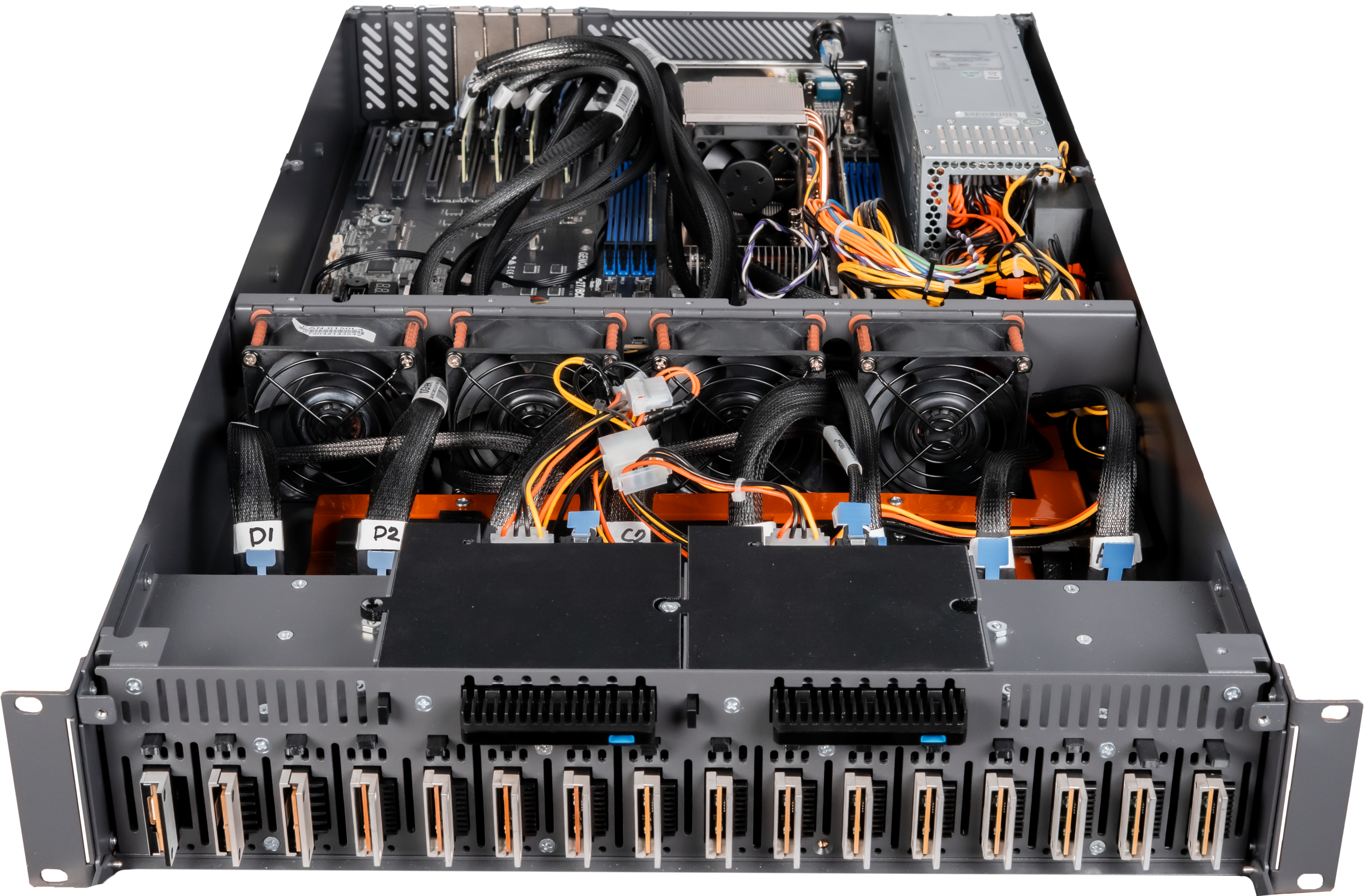
Also this week, SiliconANGLE reported that open-source storage provider 45Drives expanded its SnapShield platform to add protection against data exfiltration and centralized management across multiple servers and locations, positioning it as a last line of defense that intercepts malicious payloads before they can corrupt enterprise data. Read that as a market signal. When storage vendors invest in stopping exfiltration and in managing many servers across many places, they are responding to customers who have concluded that per-endpoint and per-network defenses are insufficient. The last line of defense is being placed at the data itself, because that is where the enterprise still has some control. The multi-location management angle is the tell: the threat model being sold against assumes dispersed infrastructure, not a single well-defended data center. That is the same assumption the Vite campaign exploits.
The Human Perimeter Is Not a Perimeter
The Wired story about Maddie Kowalski, a college student exploited on camera and pursued by what the outlet describes as the burnerverse, a loosely connected online community, is not a corporate breach story. It is a story about what happens when a network of anonymous people decides to work on a target together. The tools differ from the ones in the Vite campaign, but the pattern rhymes: discovery of an exposed individual, coordination among strangers, and durable harm that outlasts the initial event. For US consumers, this is the part of the security conversation that rarely receives corporate attention. Companies invest in protecting accounts and infrastructure; they are far less equipped to protect the people whose images, identities, and reputations circulate through networks they do not own. When harms of this kind occur, the fallout lands on individuals, and the institutions that might help are slow, jurisdictional, or simply absent.