The Thread
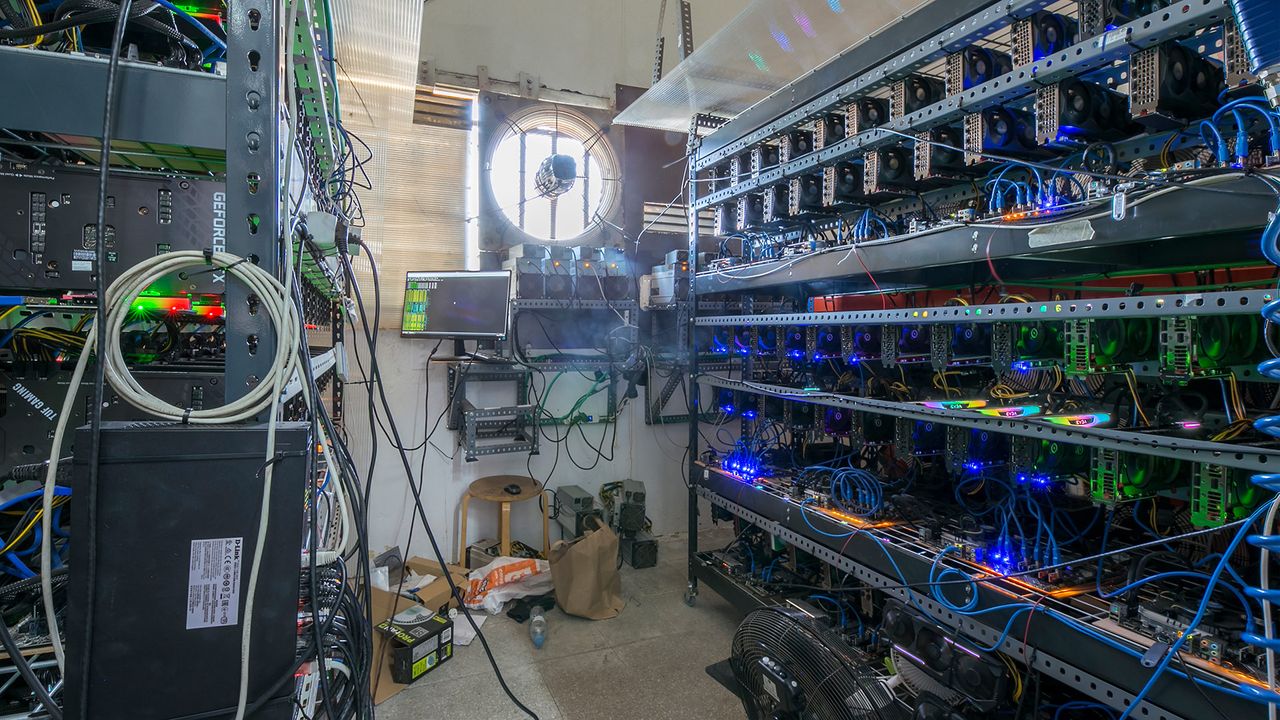
The AI infrastructure boom is no longer just about faster chips and bigger data centers. This week's news shows the buildout entering a messier phase where vendors must manage the consequences of their own success: software that breaks, communities that demand compensation, and a quantum frontier that requires orchestration rather than raw hardware. The pattern is consistent across four stories logged on this desk in the last two days: the companies driving the buildout are now spending time and money on the friction it creates.
Software Debt Comes Due
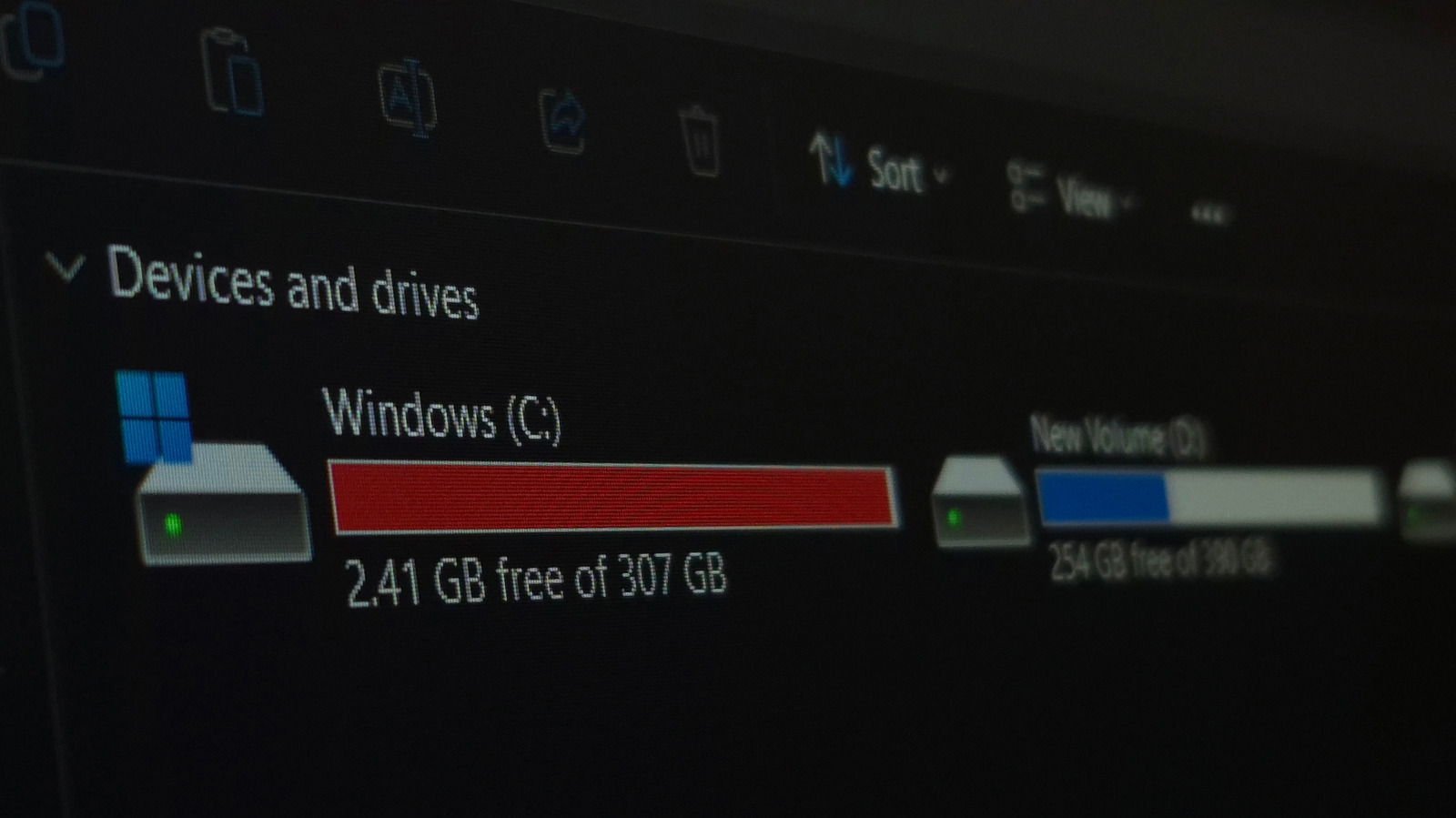
Microsoft confirmed that its September 2026 security updates cause Remote Desktop Services failures on Windows Server systems, as BleepingComputer reported. This is not a trivial bug. RDS is the backbone for remote work, virtual desktops, and countless enterprise applications. When it fails, businesses lose access to their own systems.
The timing matters. The AI buildout has pushed enterprises to deploy more compute, more virtualization, and more remote infrastructure than ever. But the operational software that manages all of this remains brittle. Security updates are supposed to protect systems, not break them. When they break critical services, the cost is measured in downtime, lost productivity, and IT hours. For US technology companies, this is a reminder that the AI era's hardware ambitions are only as good as the software stack underneath them. Nvidia's CUDA-Q expansion, also announced this week, is aimed at a different kind of complexity, but the two stories share a theme: managing the infrastructure layer is becoming as important as building the chips.
Quantum's Orchestration Problem
Nvidia used IEEE Quantum Week 2026 in Toronto to launch a new orchestration layer within its open-source CUDA-Q platform, designed to support fault-tolerant quantum processors, as SiliconANGLE reported. The move is telling. Nvidia is not building a quantum computer. It is building the software that lets developers use one alongside classical systems.
That is a bet on a specific future: one where quantum processors are not standalone machines but components in a larger hybrid workflow. The orchestration layer is the connective tissue. For US companies, this matters because it lowers the barrier to experimenting with quantum without abandoning existing investments in classical computing. It also positions Nvidia as the default interface for a technology that does not yet have a dominant platform. If quantum computing follows the trajectory of GPUs, the orchestration layer may end up more strategically valuable than any single processor.
Communities as Stakeholders
In Maryland, data center developers offered residents what Tom's Hardware described as the biggest-ever US community benefits package: a $110 million deal that includes $30 million for an elementary school and a water reclamation system. The package is a direct response to local opposition to AI data centers. Residents have raised concerns about power consumption, water use, and noise. The developers are now paying to address those concerns upfront.