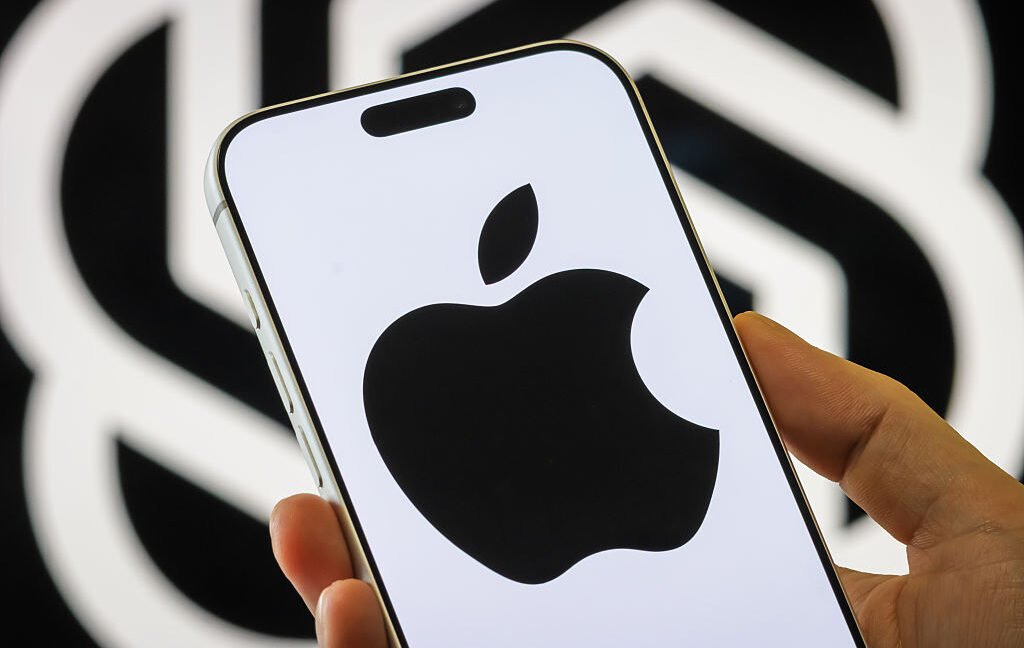
Elon Musk has dropped his antitrust claims against Apple over its partnership with OpenAI, but he is continuing to pursue the same allegations against OpenAI itself. Musk confirmed the dismissal in a court filing on Monday, resolving all claims against Apple without disclosing whether any settlement terms were negotiated. The filing also does not explain why the claims were voluntarily dismissed. Under the agreement, Musk is barred from raising those claims against Apple again, yet he notably refused to drop the identical claims against OpenAI.
The dispute dates to 2024, when Apple and OpenAI announced their partnership. Musk criticized the deal at the time, saying it would let OpenAI install what he called creepy spyware on users' devices. He sued the following year, arguing the partnership gave the companies a monopoly over Apple users' AI prompts and harmed competition in both the smartphone and chatbot markets. Apple has emphasized that the arrangement was never exclusive.
Tensions escalated after Musk claimed his chatbot, Grok, was being illegally blocked from reaching the top of Apple's App Store rankings. In August, he said Apple was behaving in a way that made it impossible for any AI company besides OpenAI to reach number one in the App Store, which he called an unequivocal antitrust violation. The narrowed litigation is now headed to trial this fall.
OpenAI has dismissed the lawsuit as another attempt by Musk to harass the company while his rival AI firm, now called SpaceXAI, races to catch up. OpenAI has said Musk's claims are baseless and noted that he would not estimate what share of the chatbot market the Apple deal forecloses. Musk responded that the figure could range from 0 to 55 percent based on rough calculations, an approach OpenAI argues the court should reject. OpenAI continues to deny any antitrust violations.
OpenAI has also been building a second line of defense. In May, it began saying publicly that it felt burned by the Apple integration, which it believed Apple did not promote. An executive told Bloomberg that OpenAI expected the deal to generate billions of dollars per year in subscriptions, but that Apple designed the ChatGPT features in ways that made them hard to discover. OpenAI reportedly considered legal action as renegotiation efforts stalled.
Musk's grievances with OpenAI are long-standing. Earlier this year, he lost a lawsuit accusing OpenAI of abandoning its mission to create AI that benefits humanity. A jury unanimously ruled that he waited too long to sue, rather than finding his claims invalid. Both Apple and OpenAI had argued Musk does not compete in the smartphone industry because none of his companies make smartphones. Apple previously warned that a Musk win would set an alarming precedent, under which any deal with a supplier could violate antitrust law if rival proposals were rejected.
Musk may have dropped Apple after obtaining information he sought. This summer, a court ordered Apple to hand over internal messages in which employees discussed the OpenAI deal. That evidence could help Musk refine his estimates of how much of the chatbot market OpenAI allegedly sought to foreclose.
More company and startup news from TechManNews.