
๐Ÿ“ฃ

Advertisement

Google Ad - 970ร—90 Leaderboard ย TOP_LEADERBOARD_4

The Money Is Moving to the Work, Not the Chat
Article

The Money Is Moving to the Work, Not the Chat

Four deals in two days show capital flowing toward tools that do the job rather than tools that talk about it.

Arjun NairSeptember 14, 20265 min read

Photo: TechCrunch

๐Ÿ“ฃ

Advertisement

Google Ad - 970ร—90 Leaderboard ย TOP_LEADERBOARD_4

The same bet, four different rooms

Two funding rounds, one acquisition and one cautionary essay, all logged in the past two days, point at a single shift in where technology money and attention are going. The center of gravity is moving away from systems that generate text and toward systems that complete tasks: notetakers that capture meetings without a human taking notes, fabrics that move data between chips, software that inspects a construction site, and patching pipelines that update fleets without a person clicking through each one. Superhuman's acquisition of Fathom, Cornelis Networks' $205 million round, and Buildots' $130 million raise are the same investment thesis expressed in three unrelated markets.

The pattern is not that artificial intelligence is popular. It is that buyers have stopped paying for the interface and started paying for the outcome.

Agents need plumbing underneath

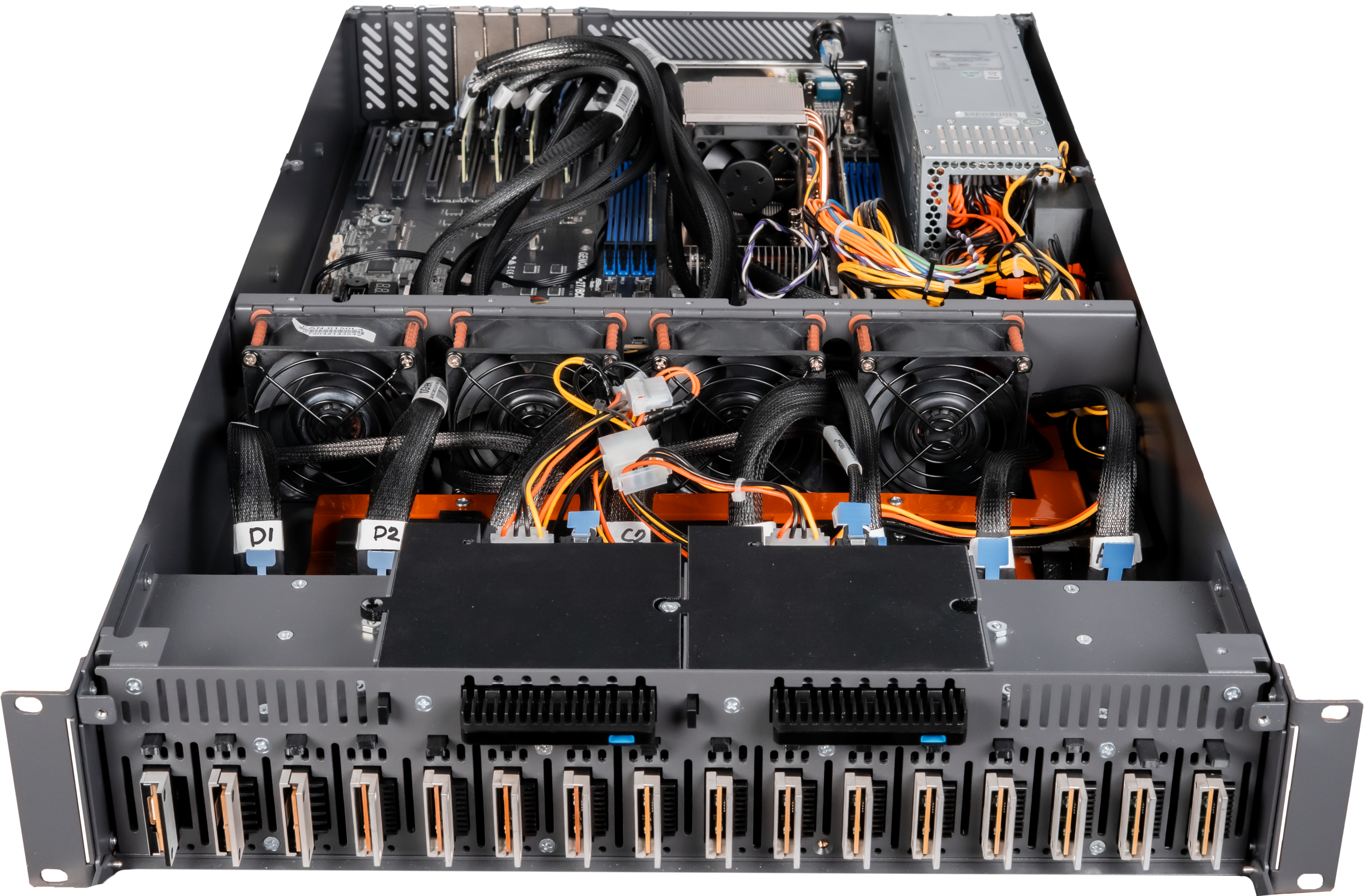
Cornelis Networks, as SiliconANGLE reported, raised $205 million led by IAG and announced an Active Compute Fabric architecture for scale-up and scale-out networks, alongside a strategy collaboration with Qualcomm Technologies. The detail worth noticing is the word fabric. A fabric is not a product a person uses. It is the connective tissue that lets accelerators in a data center cooperate at scale.

That tells you where the constraint has moved. Training and serving models is now an infrastructure problem: how fast can thousands of chips exchange data, and how many of them can be stitched into one logical machine. If agentic software is going to run continuously rather than in bursts, the networks underneath it have to be engineered for sustained load. Cornelis is not selling intelligence. It is selling the ability of intelligence to keep moving.

The Qualcomm collaboration matters for the same reason. A startup with a new fabric architecture needs a path to volume deployment, and Qualcomm gives it a route into broader silicon ecosystems. The $205 million is less a vote of confidence in a single product than a bet that networking, not model quality, is where the next bottleneck sits.

The physical world is the new greenfield

Buildots raised $130 million, per SiliconANGLE, bringing total capital raised to $297 million, roughly sixteen months after its previous round. The company applies artificial intelligence to construction management, and the reported rationale is unusually concrete: rising investment in data centers, manufacturing plants and energy infrastructure.

That is the tell. The demand for construction oversight is not coming from a general construction boom. It is coming from the specific buildout that artificial intelligence itself requires. Data centers need to be built, and they need to be built faster and more predictably than the industry is used to. Software that tracks progress against a schedule on a live site is not a novelty in that environment. It is a scheduling tool for a capital-intensive race.

The same logic applies to manufacturing plants and energy capacity. Every one of those categories is a physical precondition for computing. Capital has started treating construction technology as part of the artificial intelligence supply chain rather than as a separate vertical.

Productivity software is buying the meeting itself

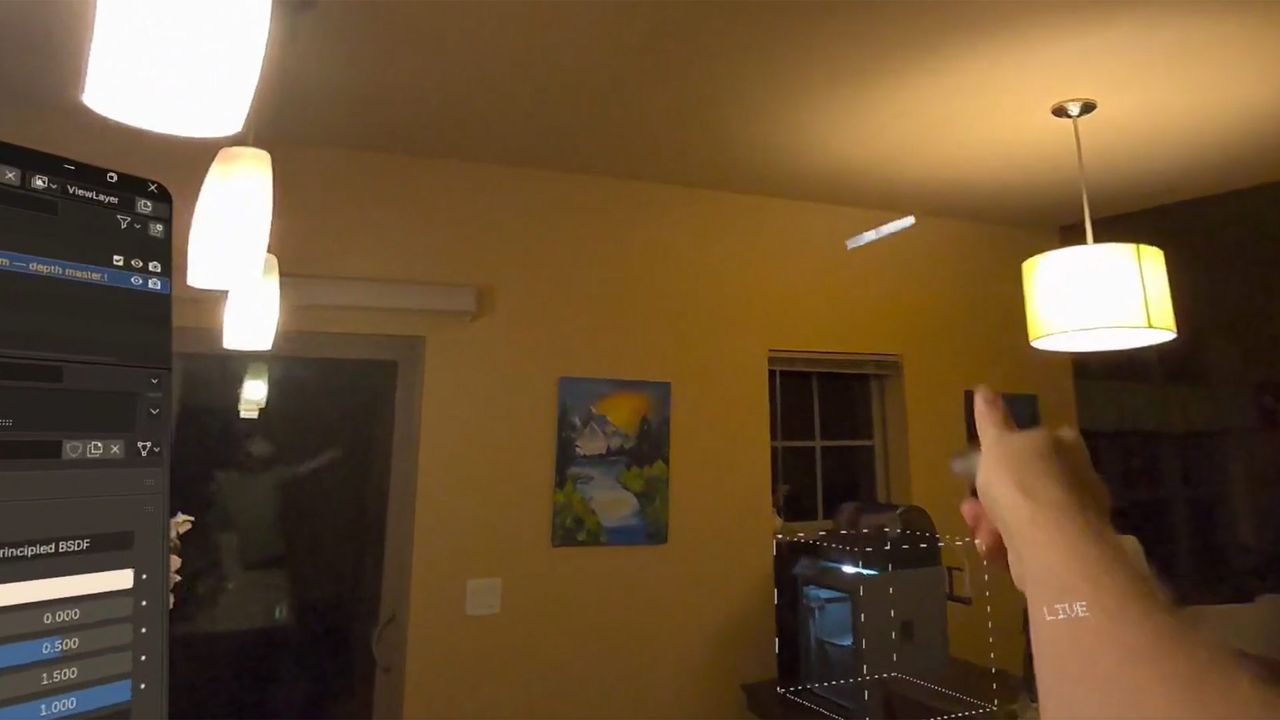
Superhuman's acquisition of Fathom, reported by TechCrunch, is the clearest statement of the thesis. Fathom is a Y Combinator-backed notetaker with more than 400,000 monthly active users. Superhuman is an email product. Buying a notetaker is buying the capture layer that sits upstream of the inbox.

The strategic reading is that productivity platforms are no longer competing on the quality of their editor or their keyboard shortcuts. They are competing on how much of a knowledge worker's day they can absorb. A meeting is where work is assigned, decisions are made and commitments are recorded. Whoever owns the record of the meeting owns the input to every downstream agent that drafts the follow-up, updates the task tracker or files the summary. The 400,000 monthly active users are not just a user base. They are a proprietary stream of structured context.
Advertisement

๐Ÿ“ฃ

728x90

MID_CONTENT_2

That is also why the phrase agentic work keeps appearing. An agent is only as good as the context it is handed. Owning the notetaker means owning the context before anyone else can format it.

Automation's bill comes due

The fourth item is not a funding round, and it belongs in the same analysis. BleepingComputer published a piece arguing that patch automation needs brakes rather than just an accelerator: update rings, predefined success criteria and human oversight, with the observation that deploying faster also means bad updates spread faster.

That is the counterweight to everything above. Every one of these systems assumes the automated action is the correct one. Fathom assumes the transcript is faithful. A patch pipeline assumes the patch is safe. A fabric assumes the workloads are legitimate. Construction monitoring assumes the milestone data reflects reality.

As automation moves from suggesting an action to taking it, the cost of a wrong action stops being a bad suggestion and starts being a fleet of misconfigured machines or a corrupted project record. The control mechanisms BleepingComputer describes are not bureaucratic drag. They are the difference between automation that scales and automation that propagates errors at the same rate it propagates work.

What this means in the United States

For American technology companies, the competitive line has moved. Differentiation in a chat interface is thin and easily copied. Differentiation in a data fabric, a site-inspection model or the proprietary transcript of four hundred thousand monthly users is durable. That favors companies that own a workflow, a physical process or a network layer over companies that own a prompt.

For the market, it explains why infrastructure and vertical software are attracting capital while the consumer-facing assistant category consolidates. The money is chasing recurring, embedded positions inside operations.

For consumers, the practical effect is quieter. The tools people use at work will increasingly act without being asked, and the visible quality of that experience will depend less on how clever the model is and more on whether the guardrails around it were designed before deployment rather than after. If the patch-automation argument is right, the failure mode of the next few years is not a tool that cannot do the job. It is a tool that does the wrong job quickly and at scale.

What to watch

Three signals will indicate whether this pattern holds. First, whether Fathom's user base stays intact under Superhuman or is folded into a broader agentic offering, which would show whether the acquisition was about the technology or the users. Second, whether Cornelis converts the Qualcomm collaboration into named deployments, since a fabric architecture without volume customers is a research program. Third, whether Buildots' stated target categories, data centers, manufacturing plants and energy infrastructure, keep attracting late-stage capital at this size, which would confirm that construction software is now priced as artificial intelligence infrastructure.

And the one to watch most closely is the least glamorous: whether automation vendors start shipping the brakes as prominently as the accelerator. The stories above suggest they will have to.

Sources: TechCrunch, BleepingComputer, SiliconANGLE.

More on this beat: Companies on TechManNews.

Advertisement

๐Ÿ“ฃ

728x90

IN_ARTICLE_5

#agentic work#AI infrastructure#construction tech#startup funding#patch automation#productivity software

Newsletter

Get Tech News in Your Inbox

The latest AI, gadgets, software and startup stories from TechManNews, delivered every morning - free.