The Common Thread
Within roughly 48 hours, four companies in very different businesses each faced a version of the same question: who actually controls the thing being sold? Automattic's board tried to remove its founder and failed. Tesla is finally showing a car it announced years ago. Sony is being accused of quietly reserving rights over games customers believe they own. Cisco is trying to stitch together a customer relationship that its own internal systems have fragmented. The thread is control - over companies, over promises, over purchased goods, and over customer relationships. In each case, the gap between the story a technology company tells and the control it actually retains is being exposed.
Governance Is Still Founder-Shaped
The most blatant case is Automattic. As TechCrunch reported, the company confirmed that Matt Mullenweg has returned as "chairman and CEO of Automattic, with full support of the board" after what the outlet described as an attempted ouster by that same board. That a board could attempt to remove a founder-chief executive and then publicly endorse his return is not a normal corporate sequence. It suggests that at founder-led technology companies, formal governance structures can be weaker than the org chart implies. The board holds paper authority; the founder holds the network, the culture and the public identity. For US technology companies, this matters because many of the largest private and newly public firms are still run by their founders. Investors who price governance risk based on bylaws may be mispricing it. The episode also reminds employees and partners that the person they negotiate with may not be the person the paperwork says is in charge.
Promises Have Long Fuses
Tesla's second-generation Roadster is the second kind of control gap: control over a company's own commitments. As TechCrunch noted, Tesla says it will finally unveil the car on October 1, and the outlet reminds readers that the halo sports car was first announced in November 2017. That is not a product delay in the ordinary sense; it is a promise that outlived multiple product cycles. Tesla has benefited from the marketing value of that promise for years without delivering the hardware. For US consumers and investors, the lesson is that announcements from founder-led technology firms function partly as narrative tools, not solely as delivery schedules. When a company controls the timing of its own news, it can keep an idea alive well past the point where a conventional manufacturer would have to cancel it. The October 1 unveiling will be judged less on the car than on whether the company's announcements still carry predictive weight.
Ownership Is the Sharpest Front
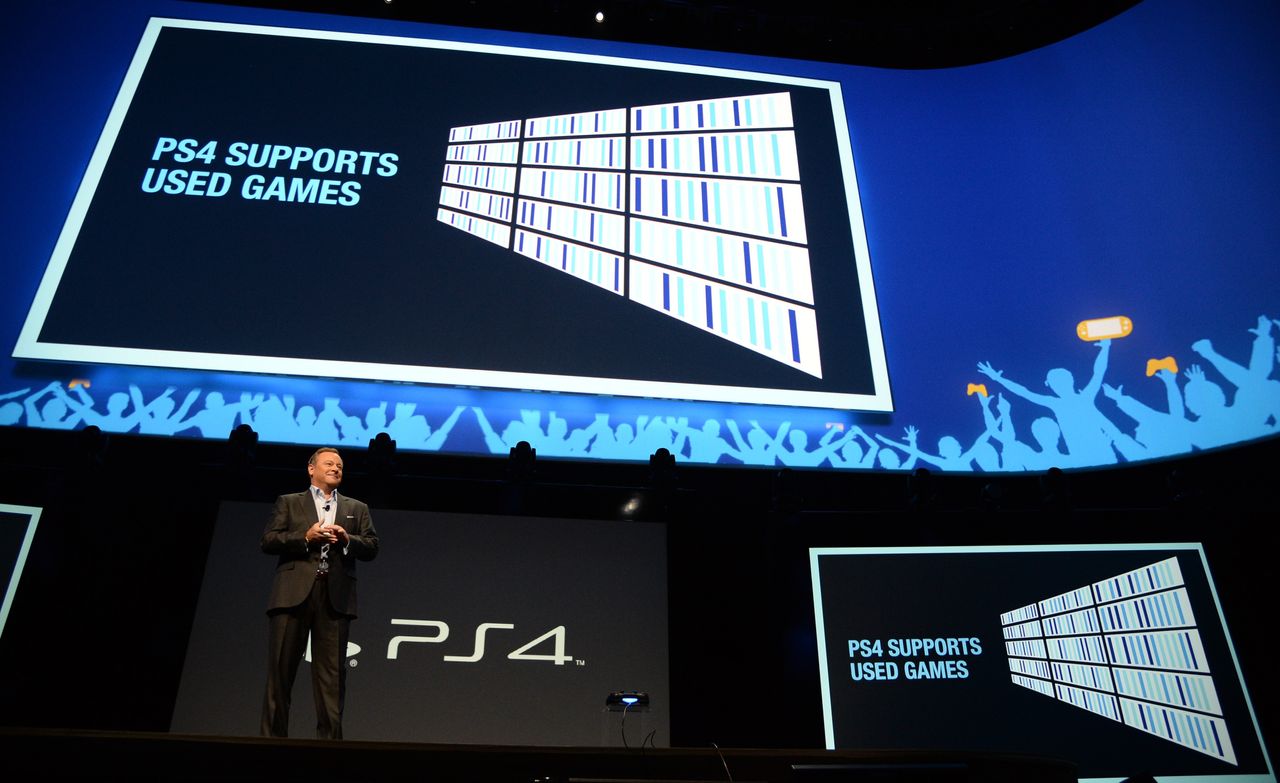
The most consequential of the four stories is the quietest: the Consumer Rights Wiki's documentation of at least 44 instances in which Sony says you own your games, according to Tom's Hardware. The outlet frames the project as a direct assault on Sony's claim in a recent ownership lawsuit - specifically, the company's legal position that a reasonable person would not expect to own digital purchases on the PlayStation Store. This is the control gap in its purest form. Sony is not accused of breaking a product; it is accused of meaning something different by "buy" than its customers do. The 44 documented instances matter because they undercut a legal argument built on what a reasonable consumer would assume. If a company's own communications consistently tell buyers they own their games, the company's later claim that no reasonable person would think so becomes difficult to sustain. For US consumers, digital storefronts are now the primary way they acquire games, films, music and books. If ownership claims in those stores are not enforceable in the way buyers assume, the practical value of a digital library is lower than its purchase price suggests. That is not an abstract legal question; it affects what a US household's entertainment spending is actually buying.