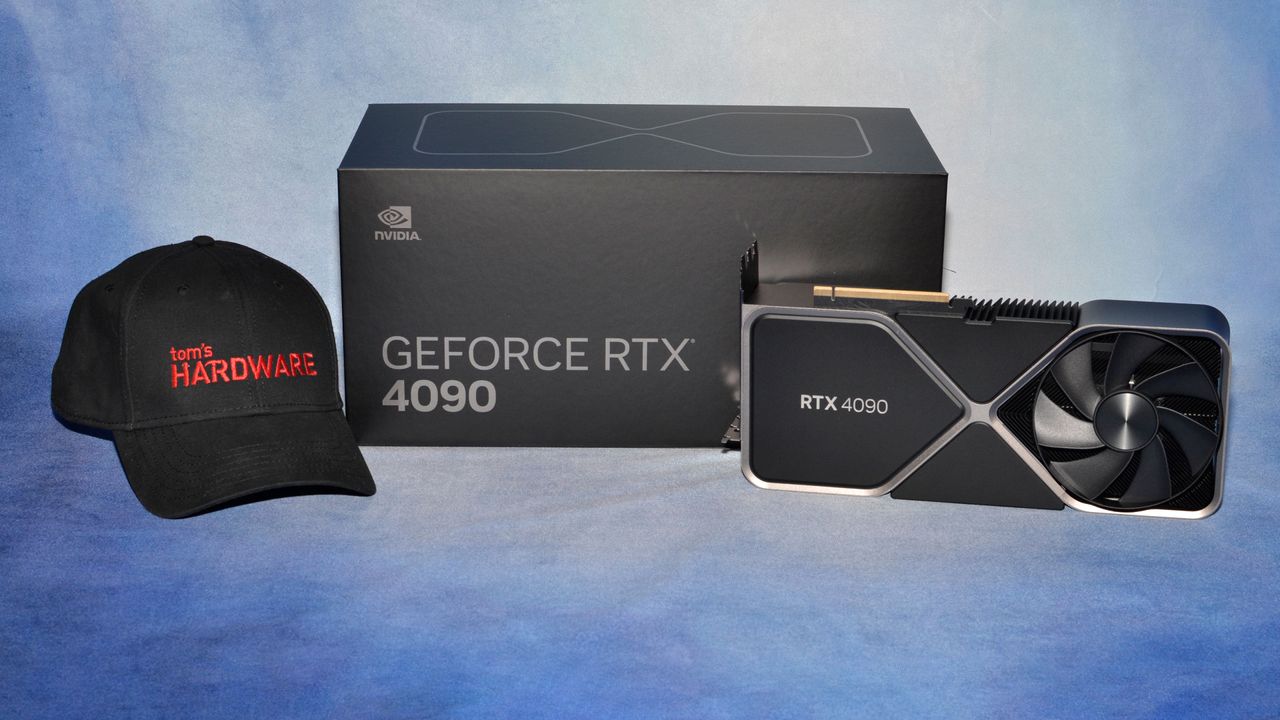
The four hardware stories logged in the past two days look unrelated: a software mod that brings a newer GPU feature to older cards, a smartphone chip beating desktop processors, a cache of mining-era graphics cards found in a basement, and a customs supervisor caught stealing computer parts. The common thread is that the effective capability of hardware is increasingly decoupled from its official specification. What a chip can do is becoming a function of software, physical access, and the gray market, not just the label on the box.
Nvidia's Feature Line Gets Hacked
One of the clearest examples is the DLSS Multi Frame Generation mod that Tom's Hardware tested on RTX 40-series GPUs. According to that testing, the feature was introduced as an exclusive of the RTX 50 series, but a mod brings it to older cards, and it works. The significance is not that one feature moves down a generation. It is that the artificial boundary between product tiers is now a software switch, and the switch can be flipped by someone outside the vendor.
For Nvidia, that is a double-edged outcome. Feature segmentation has been one of the main reasons buyers move to a new generation. If a mod can deliver the same capability on an older card, the upgrade argument weakens, at least for technically capable users. That does not mean Nvidia loses control entirely. Driver support, game compatibility, and performance tuning still matter. But the company can no longer assume that a headline feature stays exclusive for the life of a product cycle.
For US consumers, the practical effect is that a card purchased several years ago can gain new usefulness without a new purchase. That is good for households managing hardware budgets, but it also makes the resale and upgrade market less predictable. If older cards are worth more because they can be modded, the price gap between generations narrows, and the incentive to buy the newest card at launch weakens.
Apple's Silicon Beats Desktop Chips
The second story, from Tom's Hardware, reports that Apple's A20 Pro shattered the Geekbench 7 single-core record, with a 2nm chip beating desktop Intel Core i9 and AMD Ryzen 9 parts by up to 32 percent. That is a smartphone system-on-chip outperforming laptop and desktop processors in a standard benchmark. Whatever the limits of any single benchmark, the direction is clear: the performance gap between mobile and desktop silicon is no longer a reliable assumption.
The US market implication is that the definition of a "serious" computer is shifting. Apple already sells laptops and desktops built around its own silicon. If a phone-class chip can beat mainstream desktop processors in single-core work, then the argument for a separate, larger machine weakens for many consumers. That pressures Intel and AMD, both American companies, to justify the desktop platform on grounds other than raw single-core speed.
It also complicates the upgrade cycle for US buyers. If a phone purchased this year can outperform a desktop purchased two or three years ago, the desktop replacement cycle stretches. Consumers may hold onto machines longer, or replace them with devices that do not look like traditional PCs. That is a slow-moving shift, but the benchmark result reported this week is another data point in that direction.
The Mining-Era Card Still Has a Market
The third story, again from Tom's Hardware, describes a scavenger who found 12 RTX 3070 GPUs from the crypto mining era. The cards had survived years of basement storage with only minor signs of wear, and the report frames them as potentially ready for gaming duty. This is a small event, but it illustrates a larger condition: a large pool of used graphics hardware remains in circulation, and it can re-enter the market when prices or demand make it worthwhile.
For US consumers, that pool is a source of affordable options, but also a source of uncertainty. Mining cards have unknown histories, and the report's careful phrasing about "minor signs of wear" and "potentially still ready" reflects that. Buyers who cannot verify provenance face risk. Sellers who can verify it can charge more. The result is a two-tier used market, where documented cards command a premium and undocumented ones trade at a discount.