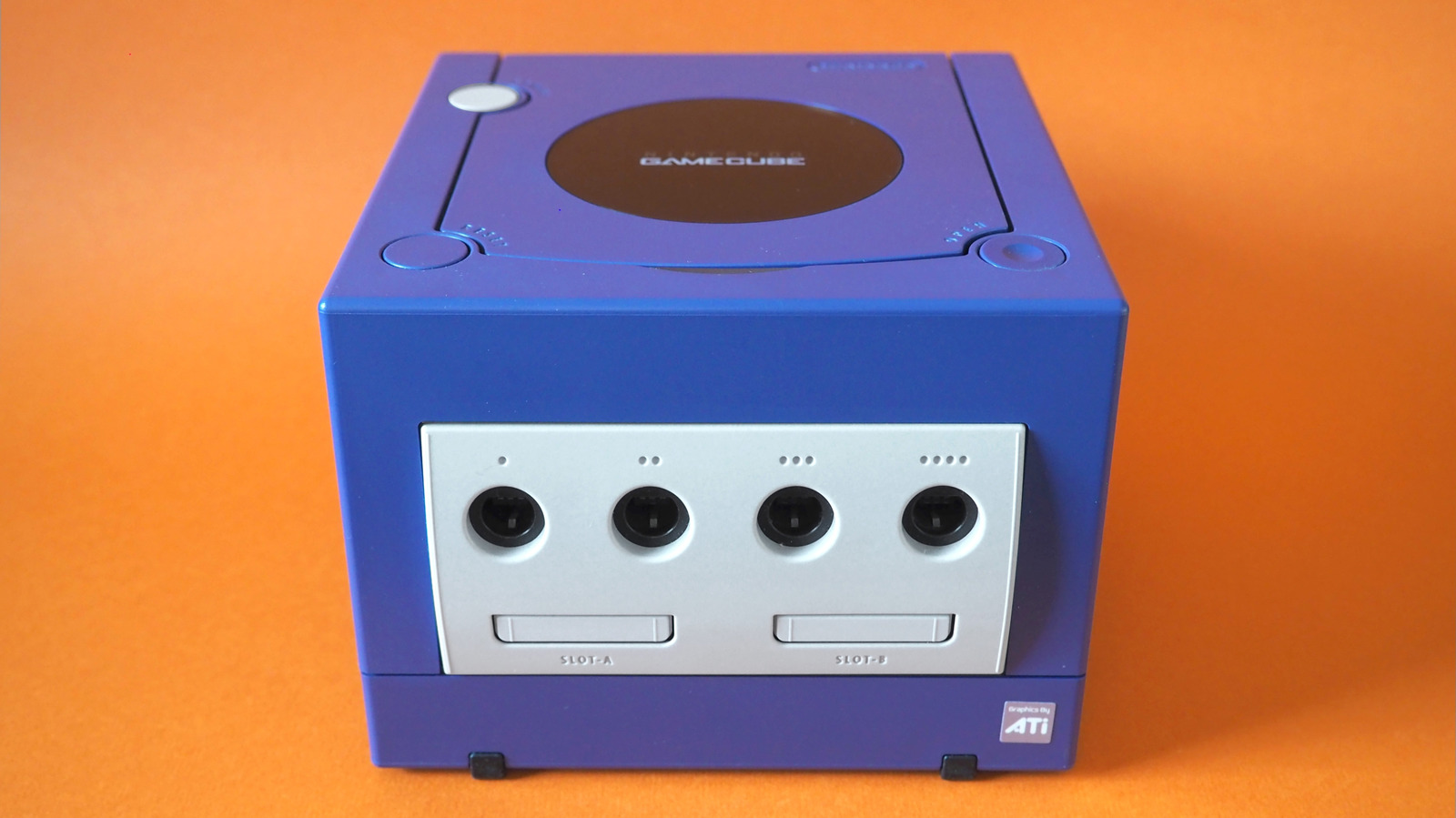
The GameCube and the PlayStation 2 competed in the sixth console generation, and the question of which machine held more raw power remains a subject of debate among players. By the standards of the hardware inside each console, the GameCube comes out ahead. That advantage did not translate into commercial victory for Nintendo, as the PS2 reached a much wider audience.
Sony released the PlayStation 2 in North America in October 2000, and Nintendo followed with the GameCube in November 2001. The PS2 ran on a 295 MHz CPU that Sony called the Emotion Engine, which divided work between the main processor and two Vector Units. Developers initially found it burdensome to route tasks such as geometry calculations and lighting effects to separate components, though the process grew easier over time, particularly after Criterion began licensing its RenderWare design software.
The GameCube carried a 485 MHz Gekko CPU and handled graphics through a custom chip called Flipper. That chip could render up to eight polygon effect layers in a single pass, whereas the PS2 relied on multi-pass rendering, allowing GameCube developers to draw more in less time. Flipper also included onboard S3 texture compression, which was easier on the CPU than software-based compression, and the console used 40MB of MoSys RAM against the PS2's 32MB of Rambus RAM, a difference in both size and latency.
Julian Eggebrecht, former president of developer Factor 5, said in an IGN interview that the GameCube's CPU carried all the power of the PS2's CPU and VU0 combined and then some. He said work the PS2 performed on VU1 was handled in hardware by Flipper. He added that the GameCube plainly beat the PS2 in textures and hardware lights.
The GameCube's main hardware drawback was its disc size. Its miniature discs held 1.5GB, while the full-size DVDs used by its competitors held at least 4.7GB, a significant limitation for third-party ports. The PS2 built its following through adult-focused advertising, mature-oriented games, and its usefulness as an affordable DVD player during its early years.
Sony's console also offered a library of nearly 4,500 titles and attracted stronger third-party support, aided by its earlier release and initial sales. Backward compatibility expanded that catalog further, while the GameCube offered no way to play older titles. Those factors gave the PS2 a decisive edge with buyers despite the GameCube's technical strengths.
More gadget news from TechManNews.