The laptop industry's news this week is not really about laptops. It is about who is allowed to build them, where, and with whose components. Anduril and Qualcomm's BlueChip proposal, Apple's twenty-year MacBook retrospective and the run-up to Apple's fall hardware event are three versions of the same story: the personal computer has become a venue for industrial policy, and the companies that make them are being asked to answer questions that used to belong to governments.
A Laptop Built as a Statement
The most direct version comes from Anduril and Qualcomm, which as TechCrunch reported have launched BlueChip, a laptop pitched as a new kind of US-made machine. The detail that matters is not the product itself but the ambition attached to it. Anduril founder Palmer Luckey is vowing to bring computer manufacturing back to the United States, and by that he does not mean final assembly alone. He means every individual component, some of which, per TechCrunch, are made exclusively in China today.
That is a substantially different claim from the "assembled in America" labels that have appeared on hardware before. Assembly is the visible end of a supply chain that runs through specialized component makers, many of them concentrated in a handful of geographies. Saying every component should be domestic is a statement about the entire chain, not the last step of it. Whether that is achievable at commercial scale is a separate question from whether it is a useful thing to promise, and the reporting does not answer the first question. It does establish that a defense-technology company and a chip designer have decided the answer is worth pursuing publicly.
For US technology companies, the significance is that the argument has moved from procurement departments to product launches. A laptop presented as a supply-chain proof point changes the terms of comparison. Competitors are no longer only being measured on performance and price; they are being measured against a standard of geographic origin that most of them cannot meet today.
Twenty Years of Setting the Template
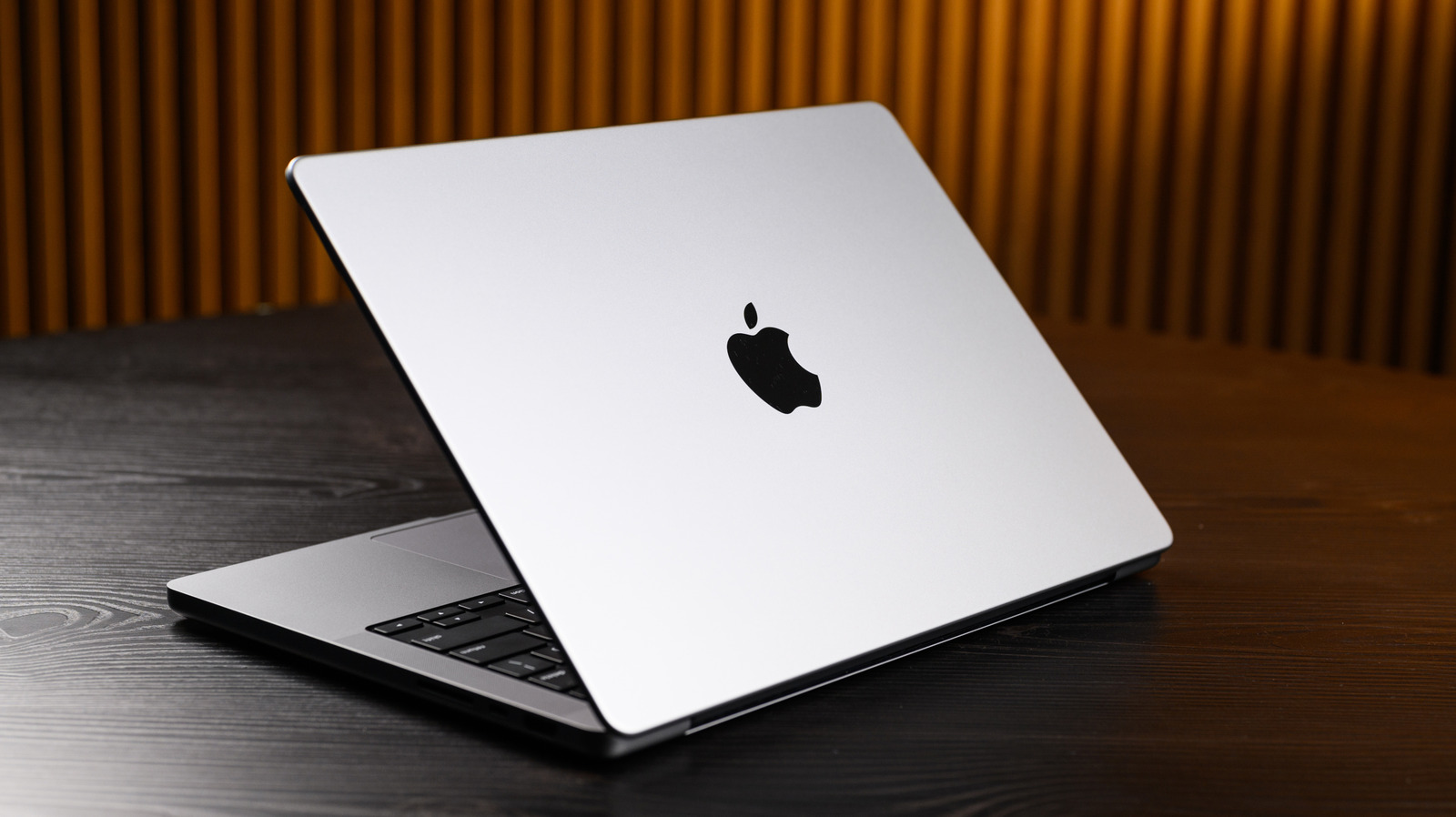
Engadget's retrospective on twenty years of MacBook makes the counterpoint. Apple, the piece argues, has influenced everything from unibody laptop cases to high-resolution screens. That is a reminder that the modern laptop's physical vocabulary was largely established by one company working through a global supply chain, and that the influence ran through design and manufacturing process rather than through origin claims.
The unibody case and the high-resolution display are not American-made artifacts in any meaningful sense. They are industrial design decisions that became industry defaults because they were copied. The lesson of the past two decades is that a laptop maker wins by defining what a laptop is, and then letting the supply chain organize itself around that definition. BlueChip inverts the sequence: it starts with the supply chain and asks the product to justify it.
Both approaches can produce a laptop. They produce very different companies, though. One is optimized for design leadership and scale, the other for resilience and domestic capacity. The US market has spent twenty years rewarding the first. It is now being asked, by at least one well-funded entrant, to consider the second.