The week's gadget news, read together, describes a single shift. The device is no longer the whole product. What surrounds it - the size of the box, the subscription attached to it, the accessories sold alongside it, the terms printed in the fine print - increasingly determines whether the buyer considers the purchase a success. From Engadget's reports on Even Realities and Apple, and The Verge's coverage of Apple and T-Mobile, the pattern is that margin and loyalty now live in the wrapper, not the hardware.
The package becomes part of the product
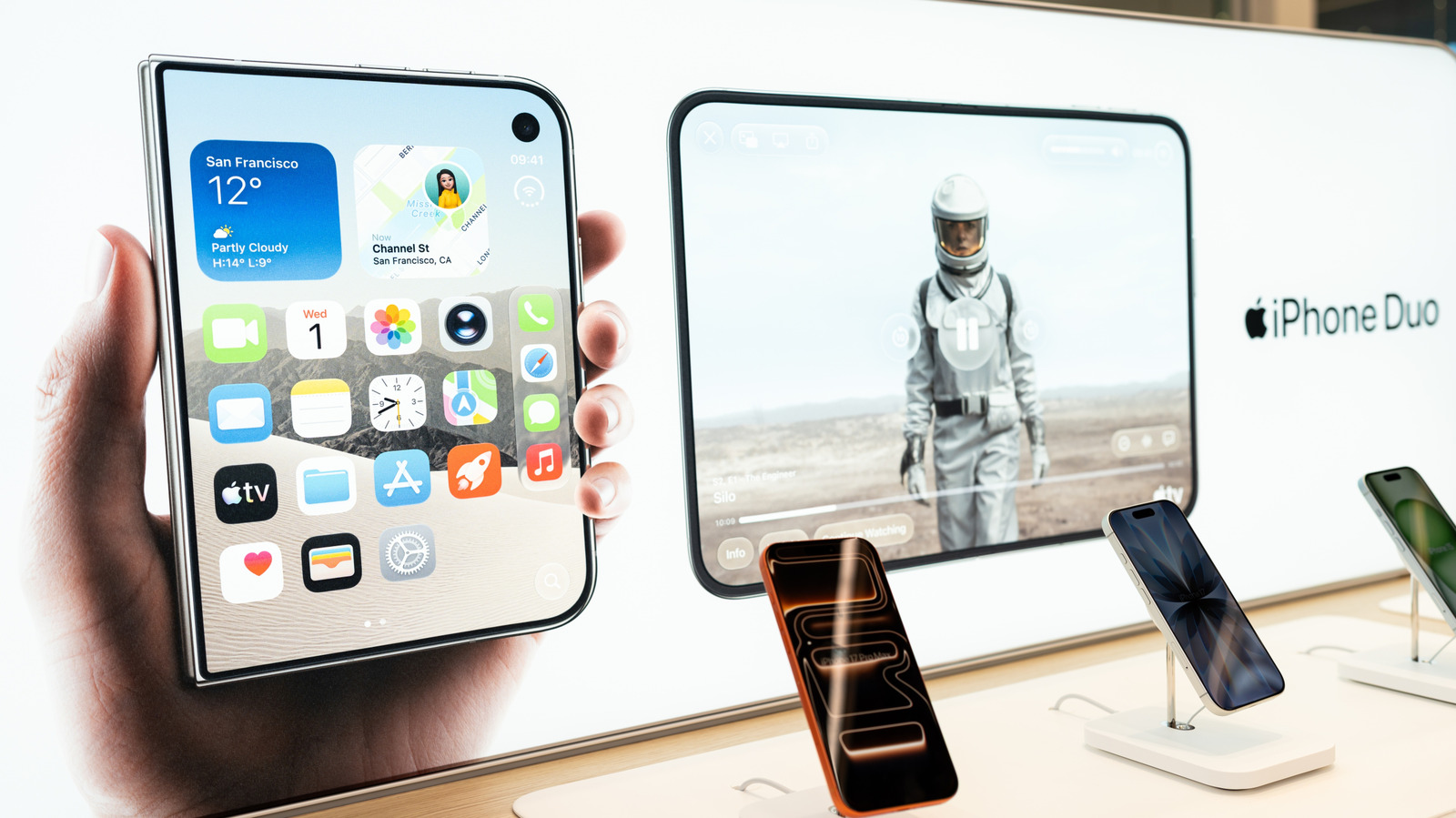
Engadget reports that Apple will soon be able to run diagnostics on returned iPhones without opening the packaging, a capability the story ties to the iPhone Duo. That is a small logistics detail with large consequences. For most of the smartphone era, a return was a costly, manual, and somewhat wasteful ritual. A unit went back to a depot, was opened, inspected, tested, and either refurbished or scrapped. If diagnostics can happen through the box, the cost of each return falls, and so does the amount of handling waste. It also changes the buyer's experience: a return becomes closer to a reverse transaction than an inspection. In the US, where carrier and retailer return windows are a routine part of how phones are sold, shortening the distance between a customer's decision and the completion of that decision is a competitive advantage that has nothing to do with the specs on the box.
The value is migrating to the wrapper
T-Mobile's new T-Mix plans, as The Verge reports, bundle wireless service with subscriptions to services such as Netflix, Apple TV, YouTube Premium, and Xbox Game Pass Ultimate, along with device promotions. The Standard plan starts at $55 per month with autopay for one line and one "Pick," which can be changed. The plan design is the story. A carrier that once sold minutes and data now sells a configurable bundle, and a customer's ability to swap the included subscription turns the plan into something closer to a software product than a utility. For US consumers, this moves the comparison away from raw price per line and toward the value of the assembled set of services. For US technology companies, it reinforces a dependency: streaming and gaming subscriptions increasingly reach households through carrier bundles rather than direct sign-ups, which gives the carrier a role in pricing and packaging that the content owner does not control.
The accessories tell the same story
Engadget reports that Even Realities has launched a brown version of its G2 smart glasses and released new accessories, including a wearable chain. A color variant and a chain are not the sort of announcements that change a product category on their own, but they fit the pattern. Smart glasses are a small-volume, style-sensitive category, and a new finish plus a wearable accessory is how a young hardware company extends a platform without shipping a new generation. The revenue and the relationship come from the ecosystem around the frame, not the electronics inside it. For a US market where smart glasses remain a niche, that is a reminder that the category is being built by companies that treat accessories as a first-class part of the product rather than an afterthought.