The most consequential software decisions in consumer technology are increasingly being made in the seams of other products. Four recent stories from different corners of the industry share one pattern: platforms are distributing capability through partnerships, workarounds, and half-hidden features rather than through their own storefronts. The result is a US market where the visible product and the actual capability are drifting apart, and where the leverage sits with whoever controls the surface rather than whoever controls the code.
Distribution Without a Storefront
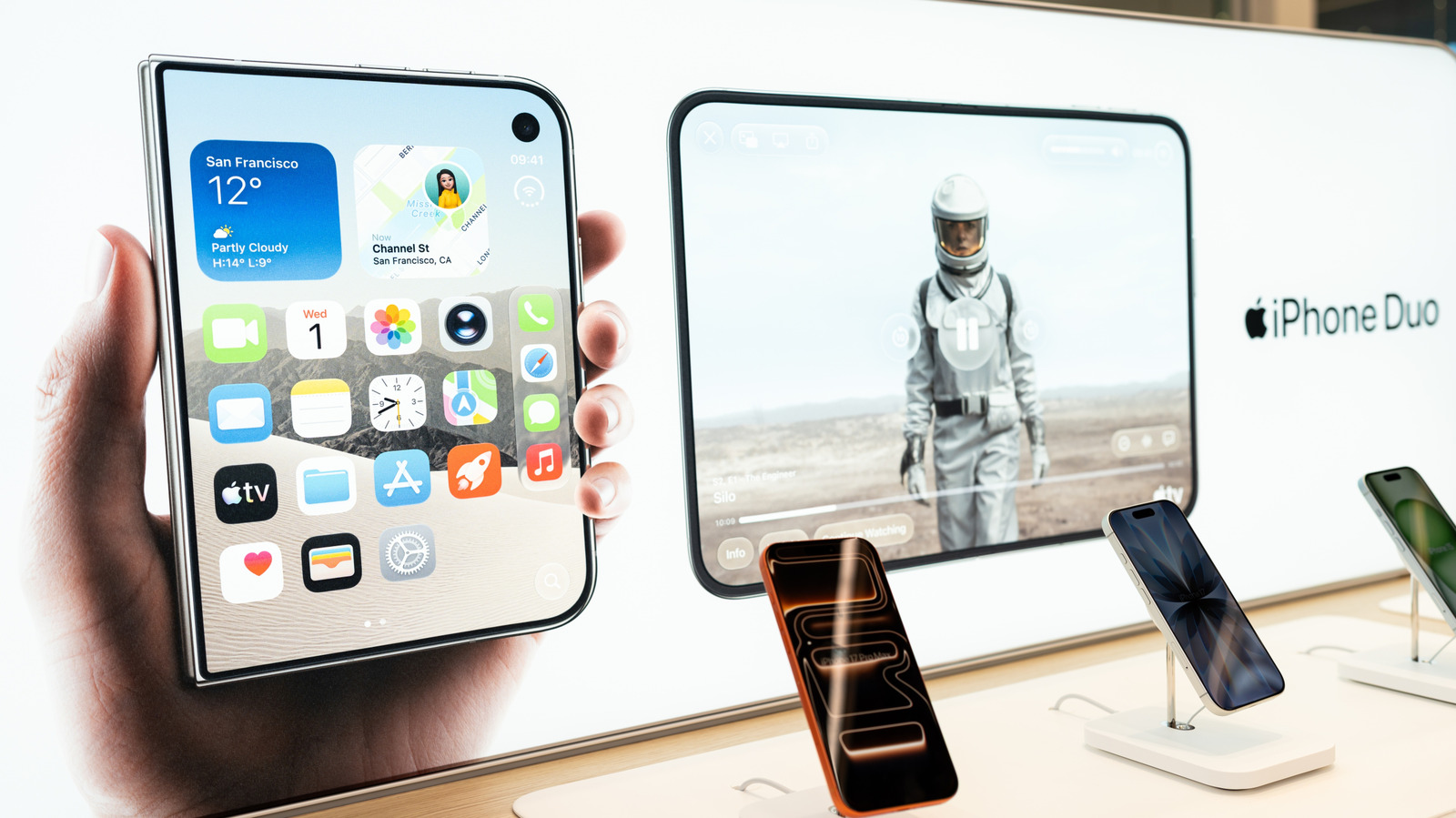
Two of the stories describe products that reach users without the usual app-commerce apparatus. As Engadget reported, the HomeView will not have its own App Store, but there is another method for using compatible third-party apps on the display. Separately, Tesla is turning to Turo to boost adoption of its Full Self-Driving (Supervised) software, according to TechCrunch, with eligible Turo hosts receiving a one-month free trial of the software.
Both cases involve a company that has built something and then declined to sell it the conventional way. The HomeView, whatever the display's own hardware story turns out to be, has decided that a curated app marketplace is not the path. Tesla has decided that a rental marketplace is a better distribution channel than a direct purchase funnel for a software feature that it has spent years developing. Neither company is abandoning software. Both are abandoning the storefront as the assumed delivery mechanism.
This matters for US consumers because storefronts are the places where rights, refunds, subscription terms and privacy disclosures are standardized. A capability delivered through a partner trial or an app side door arrives with the partner's terms attached, not the platform's. The user experience may be smoother. The accountability is murkier.
The Trial Becomes the Product
Tesla's Turo arrangement is the sharpest illustration. A one-month free trial is not a discount; it is a sampling strategy aimed at people who are already operating a vehicle commercially. Turo hosts drive a lot, and they drive in varied conditions, which is exactly the exposure a supervised driving system needs. Tesla gets real-world usage and a pool of potential advocates without building a retail channel for the software.
The model is familiar from other software categories: put the capability in front of people inside a context where they already have a reason to use it. What is new is the willingness of a large hardware maker to route that sampling through a third-party marketplace rather than its own. For the US market, that raises a question the industry has not settled. If a safety-relevant driver assistance feature is experienced first through a rental arrangement, what does the consumer understand about its limits, its supervision requirements, and its cost after the trial ends?
The App You Cannot See
The theme repeats at the level of individual software design. As Engadget framed it, the built-in Android phone app most users never bother to use is one whose most honest app does not even have a home screen icon. That is a deliberate distribution choice. A feature without an icon is not meant to be discovered; it is meant to be found by the users who need it, or reached through a layer above the app grid.
This is a quiet form of product strategy that US carriers, handset makers and platform owners have all used. The default experience is curated to a small number of surfaces, and everything else is pushed one level down. It conserves attention and reduces support burden. It also means the most useful tool on a device can be the one with the least visibility, which is a poor outcome for consumers who do not read technology coverage and a good outcome for companies that would rather not staff support for a feature they are not promoting.