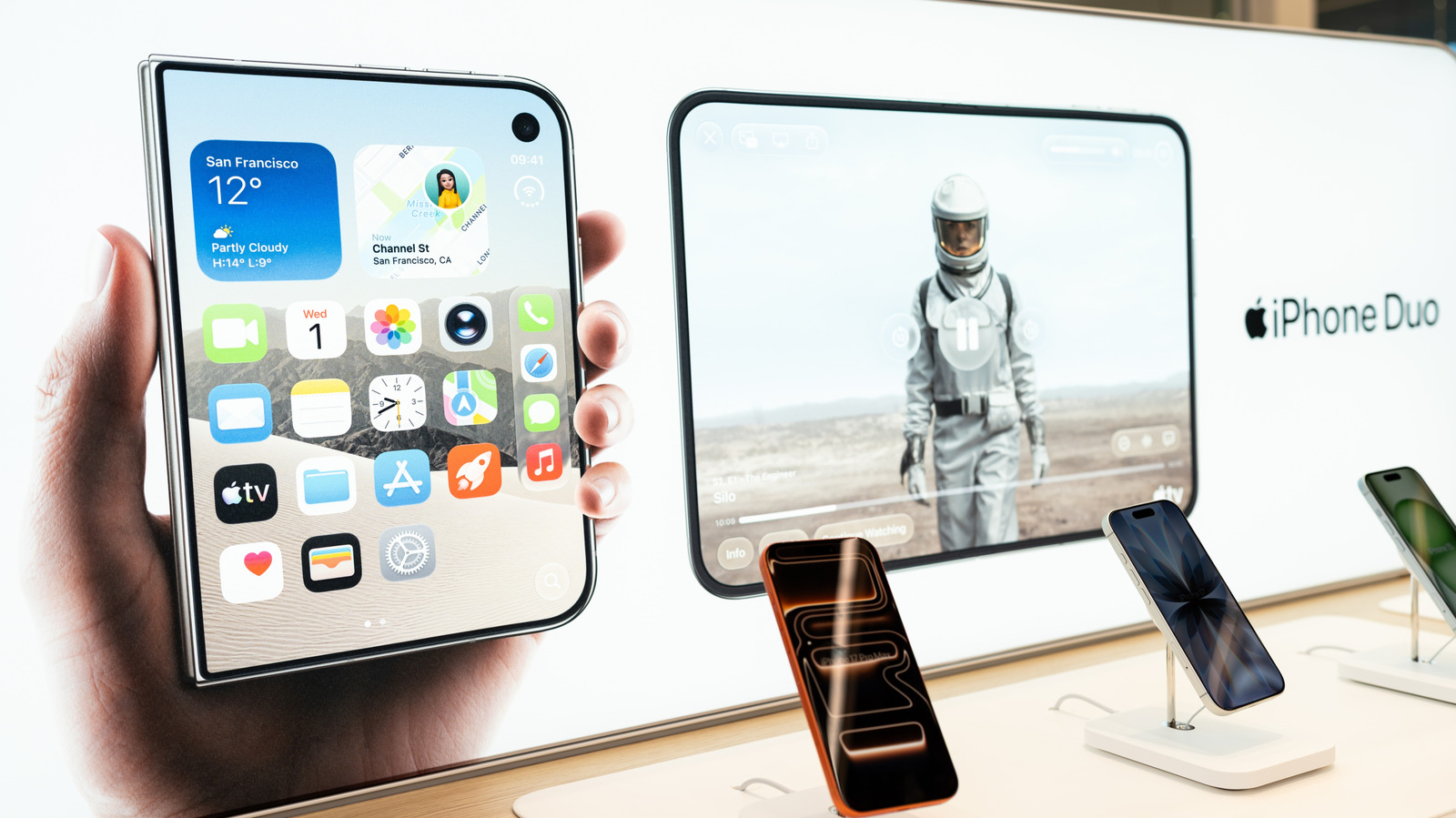
Apple's September 2026 event was not just a product launch; it was a strategic pivot. Under new CEO John Ternus, the company is simultaneously pushing into folding phones, refreshing its flagship line, and hinting at a broader smart home play. The thread running through these stories is Apple's attempt to redefine its ecosystem for the next decade, even as it faces renewed competition from retro rivals and the need to justify premium pricing.
The Ternus Era Begins
John Ternus's first keynote as CEO, covered by The Verge, opened with a description of an "intelligent personal hub" that prioritizes local processing, protects privacy, and integrates with other devices. That language, as The Verge noted, was applied to the iPhone, but it signals a philosophy that could extend across Apple's product line. Ternus also introduced the iPhone Duo, Apple's first folding phone, a move that The Vergecast discussed as a strong first impression. The shift in leadership has not changed Apple's core messaging - privacy, integration, performance - but it has accelerated the company's willingness to experiment with new hardware categories.
Folding Phones and the iPhone 18 Pro
The iPhone 18 Pro and Pro Max, announced alongside the Duo, feature the faster A20 Pro processor with more GPU power and additional neural cores for AI tasks, according to The Verge. These upgrades are iterative but necessary to keep pace with AI-driven workloads. The Duo, however, represents a bigger bet: a folding phone that could redefine how users interact with iOS. For US consumers, this means more choices at the high end, but also higher expectations for durability and software optimization. For US carriers, it could drive upgrade cycles as they look to differentiate their 5G and future 6G offerings.
The Smart Home Opportunity
The Verge also argued that Apple's next computer should be for the smart home. Ternus did not mention Apple Home in his keynote, but the "intelligent personal hub" concept aligns with a device that could manage smart home devices locally, enhancing privacy and reducing latency. This would be a direct challenge to Amazon and Google, which dominate the US smart home market. Apple's entry could appeal to privacy-conscious consumers, but it would require a robust ecosystem of third-party integrations and a compelling price point. The company has already laid groundwork with HomeKit and Matter, but a dedicated hub would be a new category for Apple.