The recent run of app news on this beat has a common thread: apps are increasingly where hardware strategy gets executed and explained. A camera update built around a foldable's physical positions, a troubleshooting cycle for streaming boxes, and a discovery problem in the reading-app market all point the same way. The app layer is no longer just the software that ships with a device; it is where the device's value is set, defended, and sometimes repaired.
The Foldable Makes the App the Feature
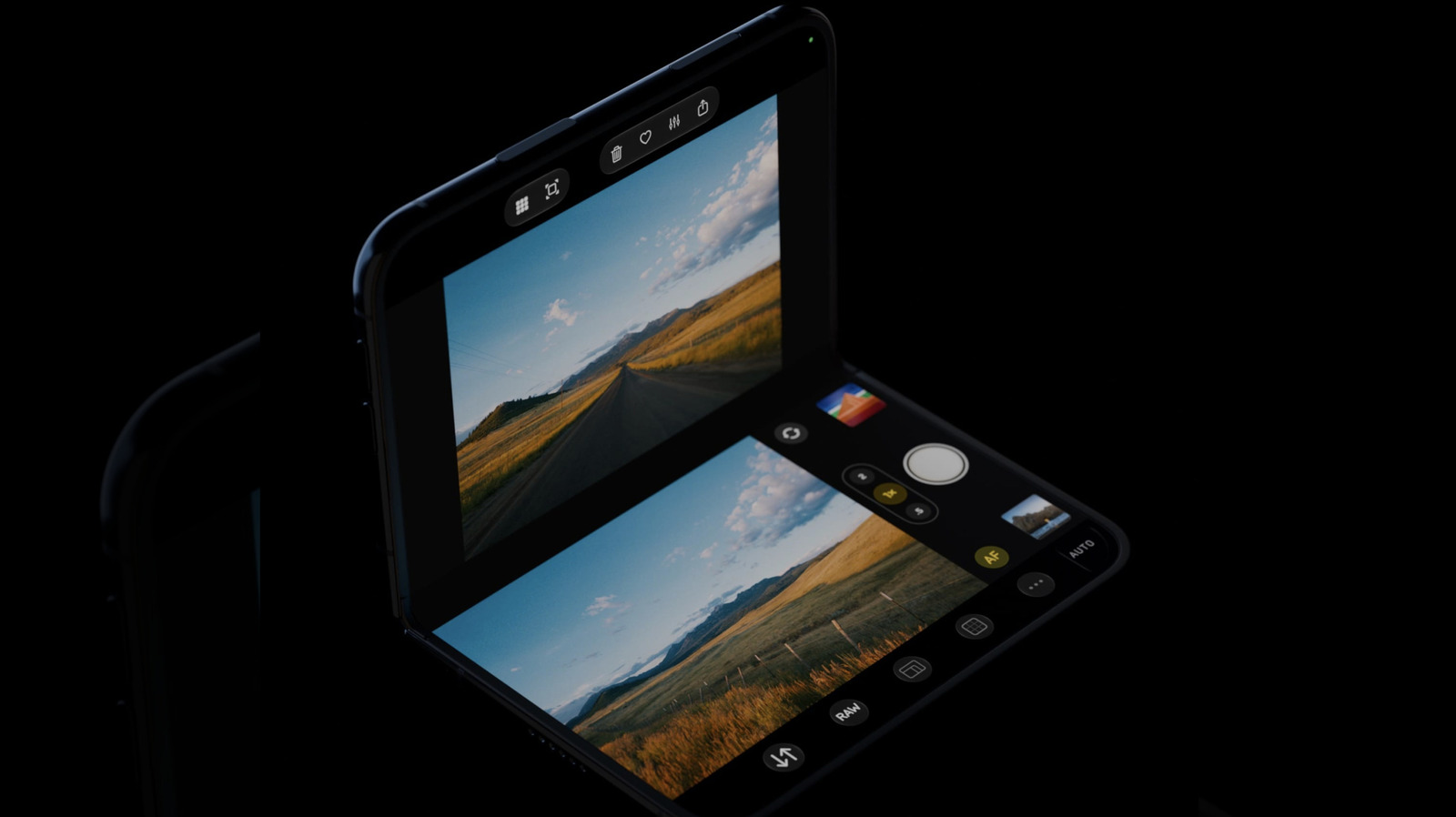
Engadget reported that Halide released its first batch of updates for the iPhone Duo, adding three different shooting modes based on what position the foldable is in. Read that closely. The camera hardware did not change; the position of the device did, and the app turned that position into a feature. This is a meaningful shift in how camera apps compete. For most of the smartphone era, the app sat on top of fixed hardware and the differentiator was computational processing. A foldable changes the geometry of use, and the app is the only layer that can respond to geometry cheaply, through software, after the device is already in customers' hands.
For US technology companies, this cuts two ways. It raises the value of app teams relative to industrial design cycles, because a position-aware shooting mode can be shipped without waiting for a new model. It also raises expectations. Buyers of expensive foldables will judge the hardware partly by how quickly the software takes advantage of its form. Halide's release, as Engadget described it, is a first batch, which sets a pace others will be measured against.
Maintenance Is the Unseen Product
Engadget also logged the opposite kind of app story: Roku apps crashing before playback, with a few things users can try to fix it. There is no new feature here, only reliability. That is the less glamorous half of the same thread. Streaming boxes are sold on the promise that the apps on them work, and when they do not, the device's value erodes without any hardware fault at all. The troubleshooting guide is a symptom of a platform whose user experience lives almost entirely in third-party apps it does not fully control.
For US consumers, this is the practical cost of app-centric hardware. A television accessory is only as good as the software running on it, and a crash before Play is indistinguishable, to the person holding the remote, from a broken device. For US platform companies, it argues for treating app reliability as a product surface rather than a support ticket category. The story Engadget logged is small, but it is the kind that shapes return rates and word of mouth.
Discovery Is Now the Bottleneck
TechCrunch's roundup of apps for tracking reading and discovering new books describes a market with numerous apps that promise to do just that, which is why a compiled list was needed to help people pick one. The interesting fact is not any single app; it is the proliferation. When a category fills with near-equivalent options, the constraint moves from building the app to being found and being chosen. That is a distinctly app-layer problem, and it is where a great deal of US consumer software competition now sits.