The thread running through this week's software news is maintenance. Three unrelated stories - an Android Auto fix, an exploit kit used by multiple groups, and HomeKit's changes in iOS 27 - all point to the same conclusion: the biggest constraints on everyday technology in 2026 come from patching, updating, and keeping older layers working, not from new features.
The evidence lies in who, or what, is held responsible when something breaks, and in how quickly defenders must now move.
The Car Is Now a Software Endpoint
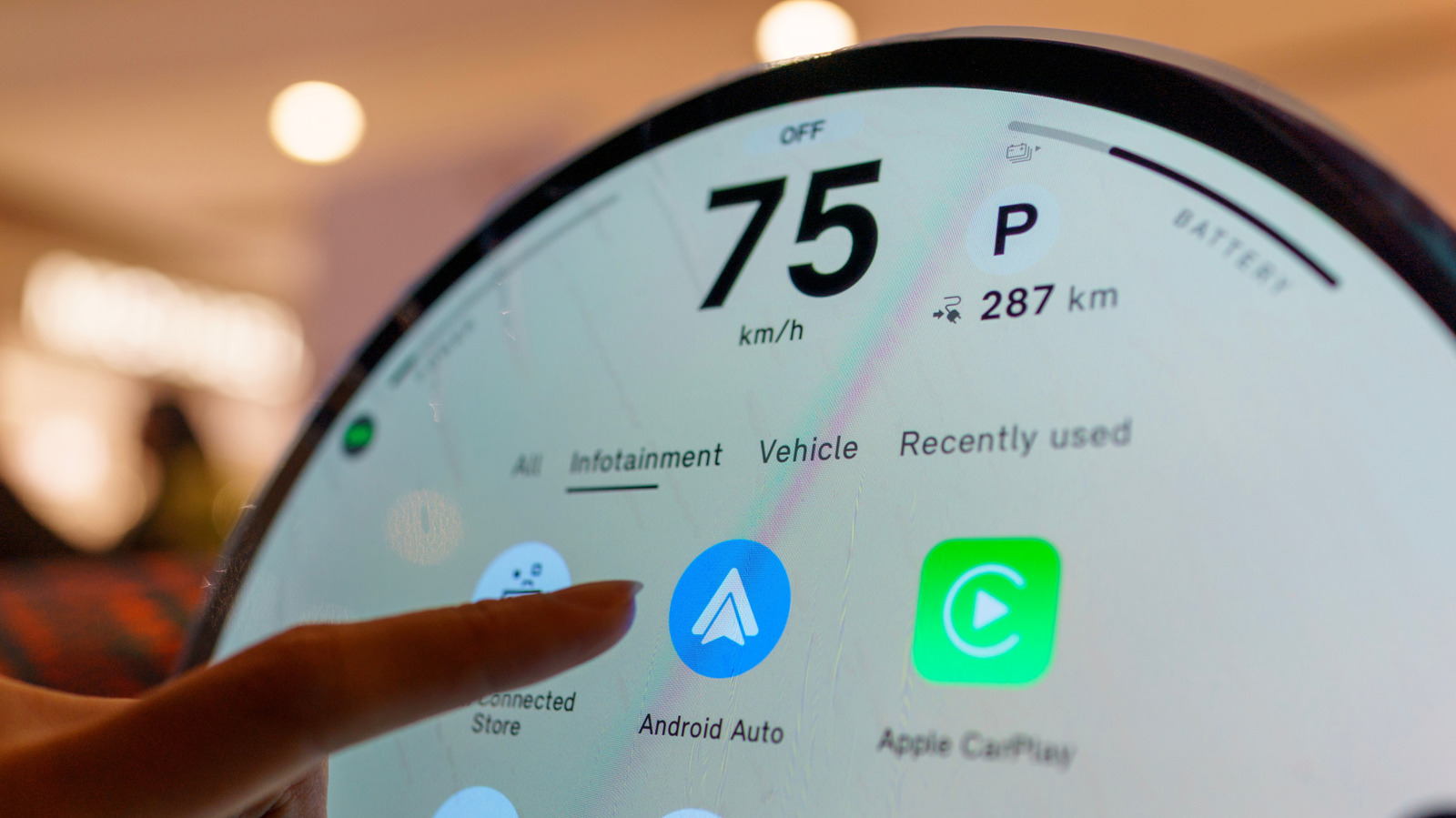
Engadget's report on Android Auto makes the pattern concrete. A user's first instinct, updating the phone, often fails, because the car's own software is the limiting factor. In other words, the phone is not the product; the phone-plus-vehicle pair is. Automakers ship infotainment systems on their own slow cycles, and once a vehicle leaves the lot, its software cadence is largely out of the owner's hands. Android Auto inherits every one of those constraints, which is why a simple update can be blocked by a component the user did not buy from Google and cannot patch independently.
For US consumers, this is a maintenance story before it is a features story. A 2026 vehicle is expected to receive over-the-air updates, but the schedule belongs to the manufacturer, not the driver. When Engadget notes that the car's software might be the issue, it is describing a support burden that has migrated from the handset to the driveway. That is a meaningful shift in the American market, where the car has become the most expensive consumer device many households own and the one they keep the longest. The practical consequence is that the useful life of a phone's software features is now partly determined by a machine with a ten-year replacement cycle.
A Patch Gap Becomes Everyone's Problem
Ars Technica's report on four groups caught using the same Chrome and Windows exploit kit extends the same logic to security. If multiple, apparently separate actors are running the same tooling, then the economics of attack have consolidated around reusable kits. The work of finding a way in has been done once and sold, shared, or copied many times over.
Ars Technica points to two likely contributors: a patch gap, and the hastened pace of AI-based vulnerability discovery. Both are maintenance problems. A patch gap means a fix exists but is not applied everywhere it needs to be - often because updating is inconvenient, or because the affected layer is one the user does not control. AI-based discovery compresses the time between a flaw being present and being found, which raises the premium on applying fixes quickly and completely.
For US technology companies, this changes the risk model. The threat is less likely to be a bespoke intrusion than a commodity one, deployed broadly against anyone who has not finished the update. For US consumers, the message is less about any single vulnerability than about the widening distance between when a patch ships and when it reaches the device in someone's hand. That distance is where the damage happens.
HomeKit and the Renovation of Existing Homes
Engadget's look at HomeKit in iOS 27 belongs to the same family of problems. The story is about AI revamps and improvements arriving in HomeKit and the Home app - not about a new platform replacing what people already own. That is maintenance in its most literal form: retrofitting intelligence onto an installed base of sensors, hubs, locks, and lights that customers purchased over many years.
For US consumers, this matters because smart-home hardware is expensive and slow to replace. Improvements that arrive through a phone update are effectively free upgrades to equipment already mounted on walls and doors. For US companies, it means the competitive battleground is compatibility - keeping older accessories useful under a new software stack - rather than raw feature count. A platform that improves the devices people already own earns loyalty; one that strands them creates a replacement bill the customer did not ask for.