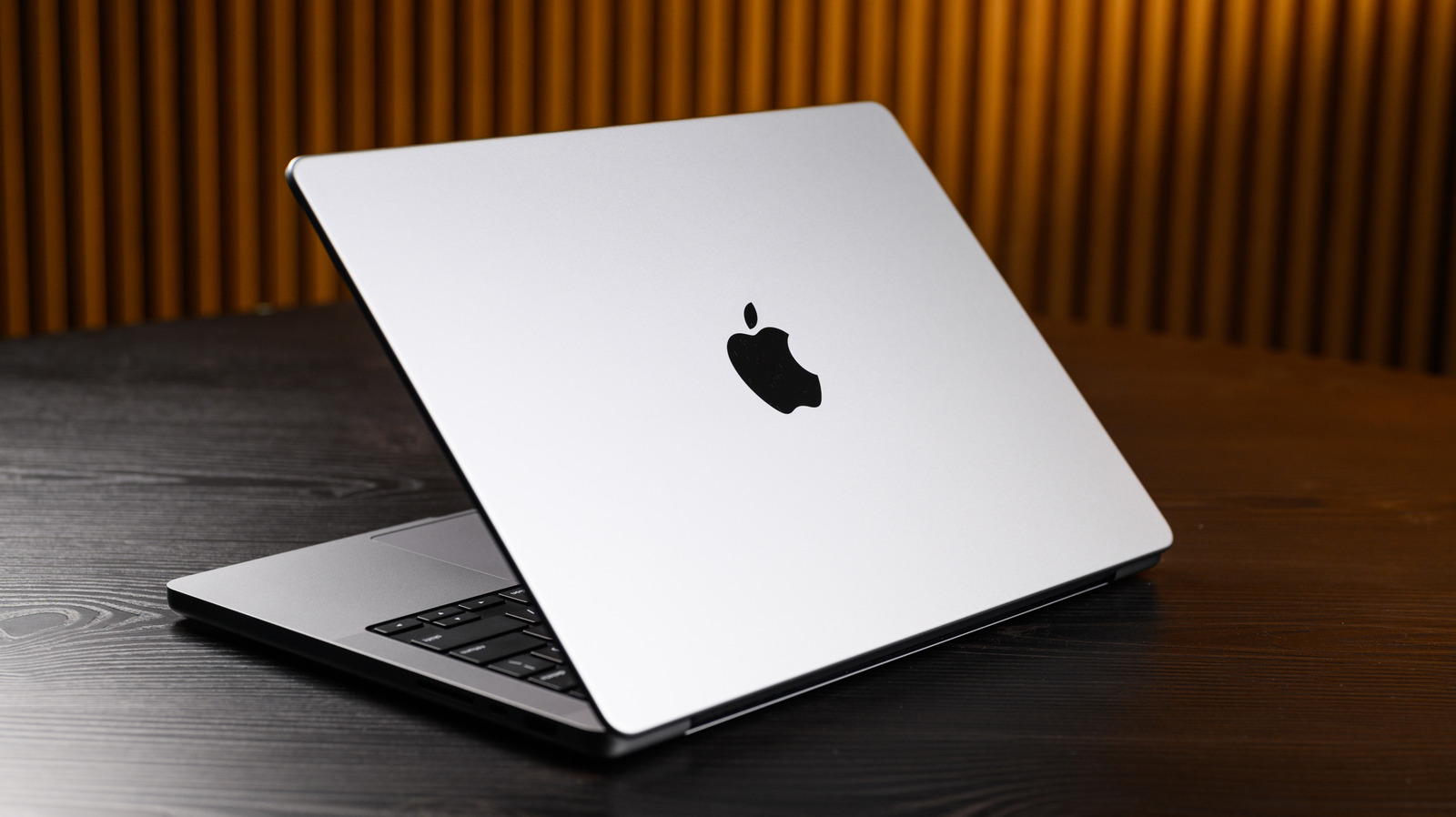
The gadget stories logged in the last two days share one thread: the value of a technology product increasingly rests not on what it does, but on how convincingly it can borrow, imitate, or be separated from someone else's signal. Samsung impersonates Apple's launch vocabulary. Wired's buying guides tell readers which iteration of an ecosystem to purchase. Iran may reverse-engineer a captured U.S. Navy drone while Washington insists the loss was trivial. Each story is about the reproduction of a thing the original maker would rather control.
A Name Is Cheaper Than a Product
Samsung's new Galaxy Z Fold 8 advertisement features a man identified as "Tim Cook from Palmerston North," who happens to share a name and resemblance with Apple's former chief executive, according to The Verge. The ad mimics Apple's cinematic product launch videos and was released right as Apple announced its iPhone Duo. Samsung is not claiming the man is the Apple executive; it is claiming the cultural recognition that comes with him. The implication for U.S. technology companies is uncomfortable. A competitor can rent the attention surrounding a rival's most recognizable human symbol using nothing more than a lookalike, a city name, and a straight face. The legal exposure is minimal because the confusion is the point and the disclaimer is baked in. What Samsung is buying is not a person but a pattern of recognition that Apple spent years building.
Launch Theater Is Now a Shared Format
More striking than the impersonation is the format. Samsung's ad copies Apple's cinematic product-launch style at the same moment Apple is staging an actual product launch. The Verge frames the ad as landing right as Apple announced the iPhone Duo. Launch videos have become a genre with conventions any well-funded competitor can execute: slow pans, ambient music, a calm executive voice, a product rotating against a dark background. Those conventions no longer belong to the company that popularized them. They are industry grammar. For U.S. consumers, the practical effect is that the visual language of a premium product announcement is no longer reliable evidence that a premium product is being announced. The signal has been detached from the source.
The Buying Guide as a Substitute for Judgment
Wired's two stories this week sit on the other side of the same pattern. One is a tested comparison of more than 30 three-in-one Apple charging stations; the other is a primer on which iPhone 18 model to buy now that the folding iPhone Duo has arrived alongside refreshed Pro models. Both exist because the number of nearly identical choices inside a single ecosystem has grown past what a normal buyer can evaluate. When models multiply, the decision moves from the product to the reviewer. The buyer is not choosing a phone or a dock so much as choosing whose testing methodology to trust. That is a quieter form of the Samsung problem: the manufacturer's own claims have lost enough weight that a third party's verdict is treated as the real product specification. For U.S. consumers, this raises the cost of every purchase in attention, even when the dollar cost is unchanged, because the research layer is now mandatory.