Three unrelated hardware stories logged in the past two days share one thread. A transparent wall-mounted CD player raises more than half a million dollars on Kickstarter, a storage question asks whether a 256GB SSD beats a 1TB hard drive, and an EV owner's guide explains how to know a battery is due for replacement. None of these is about peak performance. Each is about what happens after the product is bought, which is where American hardware buyers are now concentrating their attention.
The spec sheet loses its grip
The Syitren RM1 is a $109 transparent, wall-mounted CD player that raised over $540,000 on Kickstarter, as Tom's Hardware reported. Its visible disc and mechanisms are openly nostalgic, and its Bluetooth and battery power are thoroughly current. Nothing in that description turns on a benchmark. The pitch is that the object is worth owning and looking at, and that it will keep working in the way its buyer expects. That a CD player can raise that sum in 2026 says something narrow but real: a slice of the US market will pay for hardware whose value is legible and durable rather than maximal.
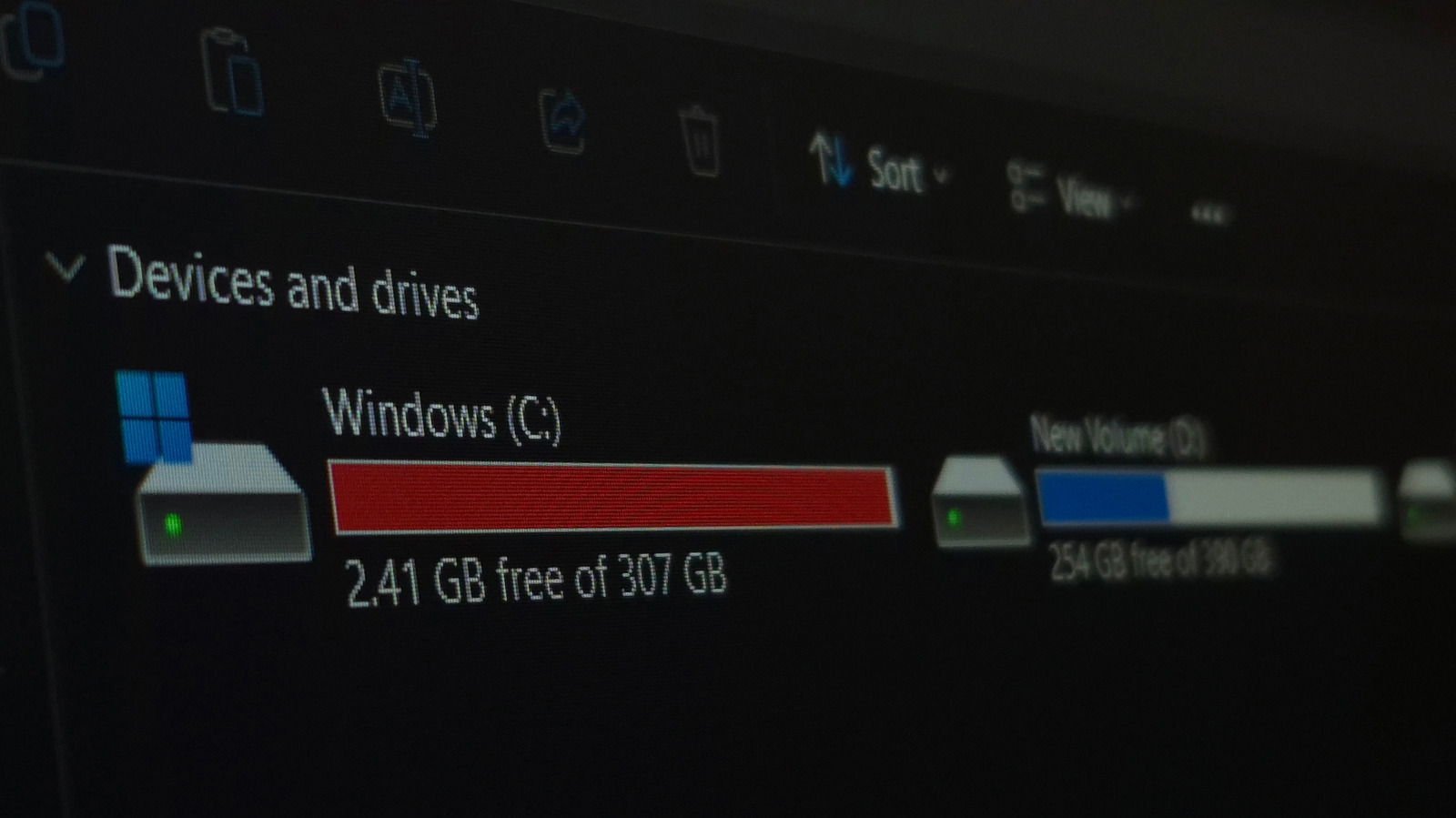
The same logic reframes the storage question Engadget posed. A 256GB SSD is faster than a 1TB hard drive, and a 1TB hard drive holds more. Neither fact settles the decision. What settles it is how the owner uses the machine, which is a question about the life of the purchase rather than its specifications. The advice Engadget gives, that the answer depends on what you prioritize, is a durability argument in disguise.
Batteries taught buyers to think in lifetimes
The EV battery story makes the point explicit. Engadget's guidance is that EV batteries usually fade gradually, so the real warning signs are often changes in behavior rather than age alone. That is a striking thing to tell consumers. It means the relevant metric is not a number on a sticker but the trajectory of the thing in daily use. An owner learns to read the car rather than the spec.
That habit does not stay in the driveway. Once a buyer has internalized gradual decline and behavioral warning signs for a vehicle, the same frame attaches to a laptop, a phone, a console, or a wall-mounted CD player with a rechargeable cell inside. The purchasing question shifts from what the device can do on day one to how gracefully it will behave on day nine hundred.
What this costs American hardware companies
For US technology companies, the shift raises the cost of the launch. A product that reviews well and then degrades badly now generates a slower, more damaging kind of badwill, because customers are watching for the change in behavior rather than the failure. Support organizations inherit questions that used to belong to reviewers. The RM1's battery, for instance, is not a footnote to its appeal; for a wall-mounted object, it is part of whether the nostalgia holds up.
The storage debate carries a similar lesson. A maker who ships a small SSD to hit a price and a large hard drive to hit a capacity may satisfy the spec sheet while missing the actual use case. The correct configuration depends on what the buyer does, which is exactly the ground on which American consumers have learned to stand. Vendors that segment by workload rather than by tier will have an easier time.