๐Ÿ“ฃ

Advertisement

Google Ad - 970ร—90 Leaderboard ย TOP_LEADERBOARD_4

The Consumer Hardware Story Is Now Three Stories at Once
Article

The Consumer Hardware Story Is Now Three Stories at Once

Three recent items show the same silicon serving gamers, backup buyers, and cartels, and US buyers now compete with all of them.

Arjun NairSeptember 13, 20265 min read

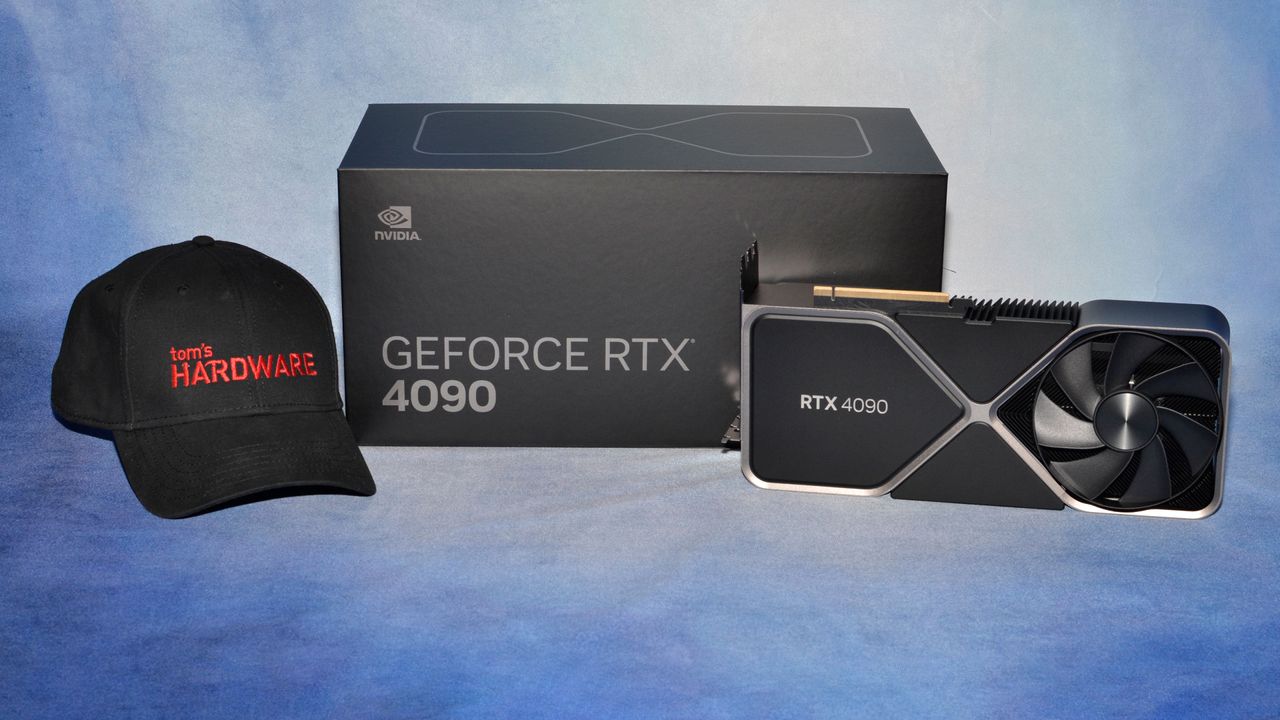
Photo: Tom's Hardware

๐Ÿ“ฃ

Advertisement

Google Ad - 970ร—90 Leaderboard ย TOP_LEADERBOARD_4

The same silicon, the same drives, and the same online marketplaces now serve three very different customers at once: enthusiasts chasing frames, households trying to back up a decade of photos, and criminal enterprises running a parallel economy on stolen power. The news logged on this desk in the past two days looks unrelated on its face, but it describes one supply chain pulled in conflicting directions. For US technology companies, US buyers, and US consumers, the practical question is no longer which component is best, but who else is bidding for it.

One Chip, Three Kinds of Demand

Take the top of the consumer stack. As Tom's Hardware reported, AMD's Ryzen 7 9850X3D has dropped below its launch price and now arrives with a free 240mm AIO cooler and a copy of Onimusha: Way of the Sword for $484. The same report notes the chip is only a modest step up from the 9800X3D yet still leads gaming benchmarks at that outlet. This is not a fire sale born of weak demand. It is a vendor buying shelf space and mindshare in a category where the underlying part is good enough that the fight is over the bundle, not the silicon.

That matters because the audience for this chip is not a monolith. A gaming CPU at this price is an enthusiast purchase, and bundles are how AMD and its retail partners try to convert people who were considering an upgrade into people who complete one. The Onimusha copy is a small subsidy with an outsized signaling effect: it tells a buyer sitting on a three-year-old platform that the math has changed. The AIO cooler does similar work, removing a peripheral purchase from the decision. Neither changes the benchmark story. Together they change the perceived value of the upgrade.

The Boring Layer Is Where the Money Goes

At the other end of the market, Engadget's comparison of external HDDs and SSDs reaches a conclusion that should surprise no one who has priced storage recently: external SSDs are faster, but if the need is cost-effective backups or larger capacities, a hard drive is often the better choice. That is a plain statement about a mature market, and it is also a tell. The storage conversation in the US has bifurcated. Speed-sensitive users buy SSDs. Capacity-sensitive users buy spinning disks. The two groups rarely overlap, and the manufacturers know it.

What ties this to the gaming CPU story is the shared assumption underneath both: that the buyer is making a considered, budgeted decision about a discrete piece of hardware. That assumption holds for a household buying an external drive for backups and for a gamer weighing a bundle. It does not hold for everyone now transacting in these same product categories. That is the second half of the pattern, and it is the part US buyers should understand before assuming prices reflect only consumer demand.

A Different Buyer With Different Economics

As Tom's Hardware also reported, a Mexican cartel's crypto farm was seized in a mountain raid, with roughly 300 GPUs, satellite links, and industrial transformers tapped into hydroelectric power. The report describes increasing evidence that Mexican drug cartels are diversifying into cryptocurrency mining and using crypto platforms to launder proceeds. The details are the point: satellite links, industrial transformers, hydroelectric theft. This was not a hobbyist rack in a spare room. It was an industrial operation, sited where power was cheap or free and enforcement was weak.

Every GPU in that facility was a GPU that did not reach a US retail shelf, a US system builder, or a US consumer. That is the mechanism connecting the three stories. The component market is global, and when mining economics are favorable, mining demand is price-insensitive in a way consumer demand is not. A gamer deciding between two CPUs will wait for a bundle. An operation stealing hydroelectric power to run 300 GPUs is not comparison shopping. It is consuming supply at whatever the market clears.

Advertisement

๐Ÿ“ฃ

728x90

MID_CONTENT_2

Why This Lands on US Buyers

For US technology companies, the squeeze is twofold. Consumer-facing vendors are competing for allocation against buyers who do not appear in their channel data, which makes demand forecasting harder and can leave shelves thin at exactly the moment a bundle promotion is supposed to convert. Meanwhile, the crypto-facing side of the market creates reputational and compliance exposure that US firms have spent years trying to contain. A raid in Mexico is not a US company's direct problem, but it is a reminder that the hardware those firms sell can end up in operations that make headlines for reasons unrelated to frame rates.

For US consumers, the practical effects are less dramatic than the headlines suggest and more annoying than the marketing implies. Gaming hardware is expensive, and it is expensive partly because the addressable market is larger and stranger than the enthusiast forums assume. Backup storage is cheap at the low end, as Engadget's comparison implies, but the cheapness depends on spinning disks remaining a viable mainstream product, which in turn depends on demand for large-capacity drives staying ordinary. When unusual buyers enter a category at scale, ordinary buyers feel it in allocation and in price, even when the sticker price looks promotional.

The Bundle Is a Signal, Not a Discount

Seen this way, AMD's $484 bundle is not just a price cut. It is a vendor managing a market it does not fully control. Bundling a cooler and a game adds value that a rival cannot easily match on a spec sheet, and it does so without cutting the headline price further, which protects the chip's perceived tier. The 9850X3D still leads gaming benchmarks at Tom's Hardware, but the modest generational gap from the 9800X3D means the part has to be sold on the whole package. That is a mature-market move, and it is the right one.

The cartel raid and the external-drive comparison sit on either side of that move. One shows what happens when a component's economics attract actors with no interest in the consumer value proposition. The other shows what ordinary buyers do when they are left alone to make a rational choice between speed and capacity. The connective tissue is that all three are about the same finite pool of chips, drives, and fabrication capacity, allocated by price signals that now include demand from outside the consumer market.

What to Watch

Three things are worth tracking against the reporting above. First, whether gaming CPU bundles persist at this price level or recede, which would indicate whether consumer-facing demand is being actively defended or merely cleared. Second, whether large-capacity external hard drives stay cost-effective for backups, as Engadget's comparison assumes, or whether allocation pressure changes the low end of that market. Third, whether seizures like the one Tom's Hardware described become a recurring feature of the hardware beat, because if cartel mining operations are diversifying, the supply and compliance story for US hardware vendors gets more complicated, not less. None of these are predictions. They are the open questions the last two days of news actually raises.

Sources: Tom's Hardware, Engadget.

More on this beat: Hardware on TechManNews.

Advertisement

๐Ÿ“ฃ

728x90

IN_ARTICLE_5

#semiconductors#consumer hardware#crypto mining#storage#supply chain#US market

Newsletter

Get Tech News in Your Inbox

The latest AI, gadgets, software and startup stories from TechManNews, delivered every morning - free.