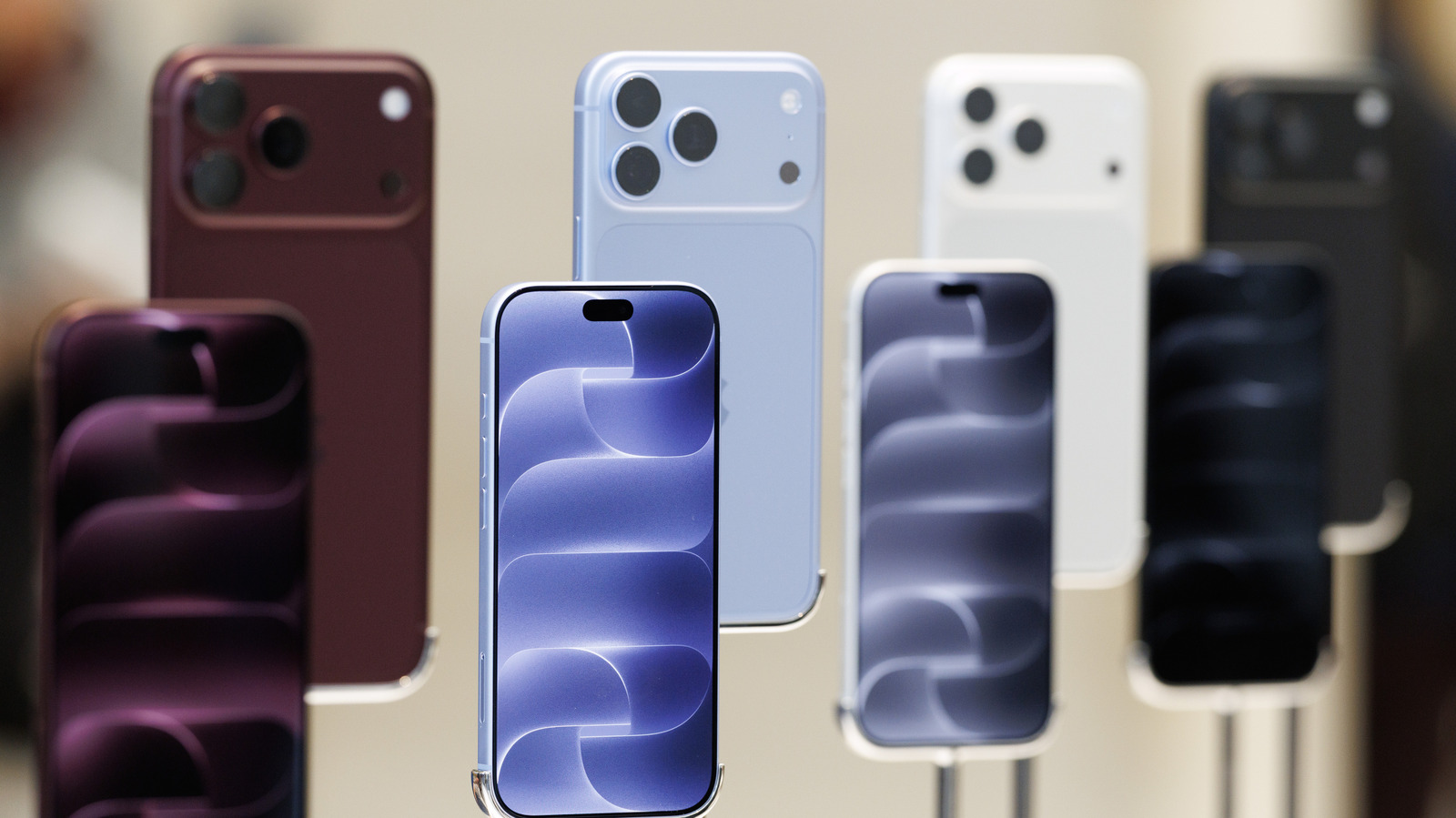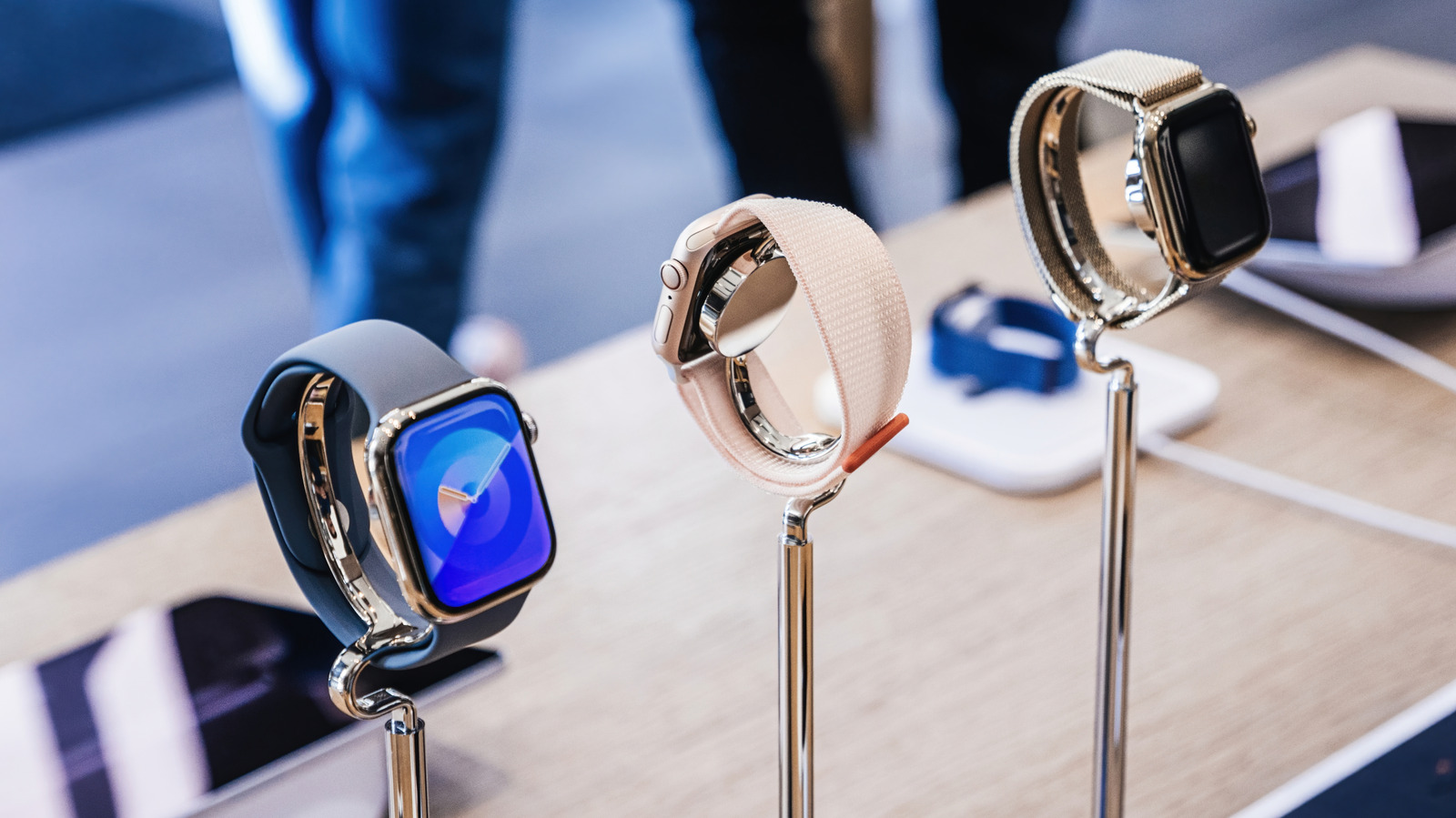
Apple's wearable lineup has become a catalog that requires study rather than a shelf of self-explanatory products. Three recent pieces of coverage - on AssistiveTouch gestures for the Apple Watch, on choosing between ceramic and titanium Watch cases, and on identifying which AirPods generation you own - share one thread: Apple now sells wearables whose value and even identity depend on knowledge the buyer has to supply. For US consumers and the American technology companies that follow Apple's playbook, that knowledge burden is becoming a product feature in its own right.
The Pattern in the Coverage
The three stories look unrelated at first glance. One is a how-to about accessibility software, one is a materials comparison, and one is a guide to reading a model number. But each exists because a single SKU no longer tells the whole story. AssistiveTouch, as Engadget explains, lets an Apple Watch respond to simple hand and finger gestures, and the outlet frames it around setup, toggling the feature off, and when it actually helps - language that assumes the feature is present but not obvious. The ceramic-versus-titanium comparison, also from Engadget, treats durability as a decision the buyer must make deliberately, because the case material has stopped being a cosmetic afterthought. And the AirPods identification guide, again from Engadget, opens from the premise that the earbuds are difficult to tell apart from looks alone, so owners must check a model number in one of several places.
The common thread is that Apple's wearables have accumulated invisible layers: software capabilities that ship switched on or available but undocumented on the box, material choices that change longevity, and hardware generations that are physically near-identical. The product is no longer the object alone. It is the object plus the documentation needed to use, choose, and even recognize it.
Choice Fatigue Moves Down the Line
Apple's higher-end Watch configurations used to be a straightforward upsell: pay more, get a more premium finish. The ceramic-versus-titanium question changes that calculation. As Engadget's comparison puts it, choosing the most durable material can be challenging, and the answer depends on the buyer's needs rather than on a simple hierarchy. That is a meaningful shift for US shoppers, who are used to reading Apple's tiered pricing as a quality ladder. Now a premium material choice requires actual reasoning about wear patterns and durability, not just budget.
This matters beyond one product. Apple's US competitors in smartwatches and earbuds have generally competed by simplifying choices, offering fewer configurations and clearer step-ups. If Apple's own lineup now rewards research, rivals can position simplicity as a differentiator - or they can copy the strategy and add their own material tiers. Either way, the American wearable aisle is becoming a place where the informed buyer and the impulsive buyer have materially different experiences.
Software Hidden in Plain Sight
AssistiveTouch is the clearest example of capability that exists without being evident. Engadget's treatment focuses on setting it up, turning it off, and judging when it helps - three tasks that only make sense if the feature is buried enough that owners need guidance to find it and guidance to disable it. Accessibility features that ship broadly are a genuine good: they serve users with motor limitations and, incidentally, anyone who finds gesture control convenient. But they also mean the Watch a consumer buys in 2026 can do things the packaging never mentions.
For US technology companies, this cuts two ways. It demonstrates that software can extend a wearable's usefulness long after purchase, which supports the case for longer device lifecycles and post-sale engagement. It also raises the bar for support content: if a feature is not discoverable, the company effectively outsources onboarding to publications like Engadget. That is a fragile arrangement, since third-party guides can disappear or go stale while the product remains on wrists for years.