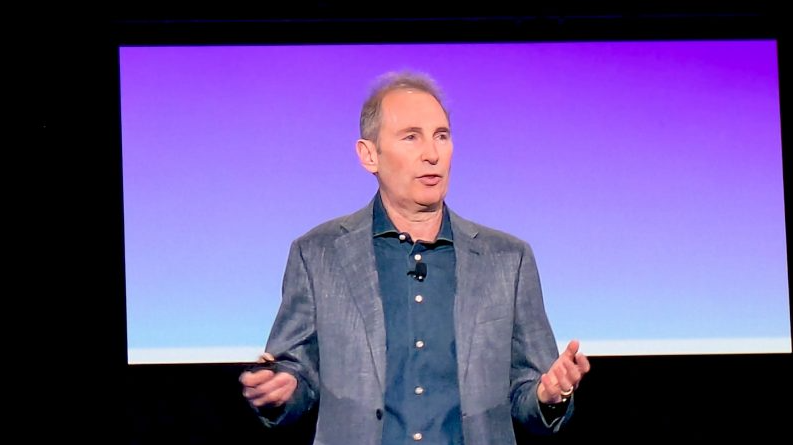
Amazon's latest quarter exposes the central tension in Big Tech's AI era: the same infrastructure buildout powering the cloud boom is straining the financial metrics investors rely on. Shares fell more than 7% in late trading after the company missed earnings and revenue expectations and reported rising negative free cash flow, as SiliconANGLE reported. The disappointing results land alongside CEO Andy Jassy's claim, reported by TechCrunch, that AWS will become a $1 trillion revenue business - a goal that requires the spending spree to continue. The pattern across these stories is not that AI spending is wrong, but that the market is no longer willing to fund it on faith.
Growth and Cash Flow Diverge
For most of the cloud era, Amazon could point to a simple bargain: heavy capital investment produced reliable revenue growth and, eventually, free cash flow. That bargain is now harder to read. SiliconANGLE reported that Amazon missed on both earnings and revenue while negative free cash flow rose, even as the cloud business remains the company's growth engine. The two facts sit awkwardly together. A business can be expanding its footprint and still generate less cash than it consumes, and that is precisely the picture Amazon presented. The stock reaction of more than 7% in late trading suggests investors are repricing the cost of that growth rather than questioning the growth itself.
The distinction matters for how US technology companies are judged. Revenue growth once earned patience from shareholders; negative cash flow now invites scrutiny. Amazon is not alone in spending heavily, but it is the clearest test case because its cloud unit is both the source of the spending and the intended payoff.
The Trillion-Dollar Ambition
Jassy's stated goal, as TechCrunch reported, is for AWS to become a $1 trillion revenue business. That is an ambition that cannot be reached without sustained capital expenditure, and Jassy acknowledged as much, saying the company will have to continue its capex spending spree. The logic is familiar to anyone who has watched Big Tech's AI race: capacity must be built before demand can be served, and demand for AI compute is expected to keep rising.
But the ambition also raises the stakes of every quarterly report. When a CEO sets a target of that scale, investors begin measuring each quarter against the spending required to reach it. Amazon's miss gives them a reason to ask whether the capex is buying durable advantage or simply keeping pace with competitors. The answer will not be visible in a single quarter, which is exactly why the market's patience is being tested.
Cracks in the Spending Boom
The broader pattern is that Amazon's numbers are not an isolated stumble. TechCrunch reported that cracks are emerging in the AI spending boom across Big Tech, citing mounting debt, negative cash flow and growing investor skepticism about the sustainability of the buildout. That framing connects Amazon's results to the wider sector. The spending boom was rationalized by expectations of enormous future demand; the cracks appear when the financing costs and cash outflows of the present become impossible to ignore.