The Same Weaknesses, Everywhere at Once

Photo: The Verge

Article

The Same Weaknesses, Everywhere at Once

HemeswariNovember 2, 20264 min read

The recent run of incidents points to a single thread. Attackers are not chasing the most sophisticated targets; they are exploiting the unglamorous, often under-resourced systems that ordinary life and money movement depend on. The pattern is one of shared structural weakness: consumer-facing infrastructure with thin defenses, exploited rapidly and at scale, with consequences that reach well beyond the organizations first affected. For US technology companies, markets, and consumers, the lesson is that exposure is distributed far more broadly than the headlines suggest.

Everyday Infrastructure as a Target

The European supermarket wave is the clearest illustration. As The Verge reported, grocery stores across Europe were hit by another wave of suspected cyberattacks, with sudden changes in the temperatures of their fridges and freezers. Major chains in Belgium, Sweden, Luxembourg, and Estonia were affected, according to local reports shared by Bloomberg and Reuters, and one Ica Kvantum store in Sweden posted about it on its Facebook page. None of this is exotic. Freezer controls are operational technology - the unremarkable systems that keep food cold and stores running. The fact that temperature controls at multiple chains across several countries can be disturbed at once shows how much of this layer is networked, standardized, and reachable.

That matters for US readers because grocery retail depends on the same kind of connected cold-chain and store-management systems. A campaign that moves across European chains is a reminder that the software patterns and vendor relationships underlying these systems are international. There is no reason to assume the boundary that keeps such interference outside the United States is anything but organizational and temporary.

Money at Industrial Scale

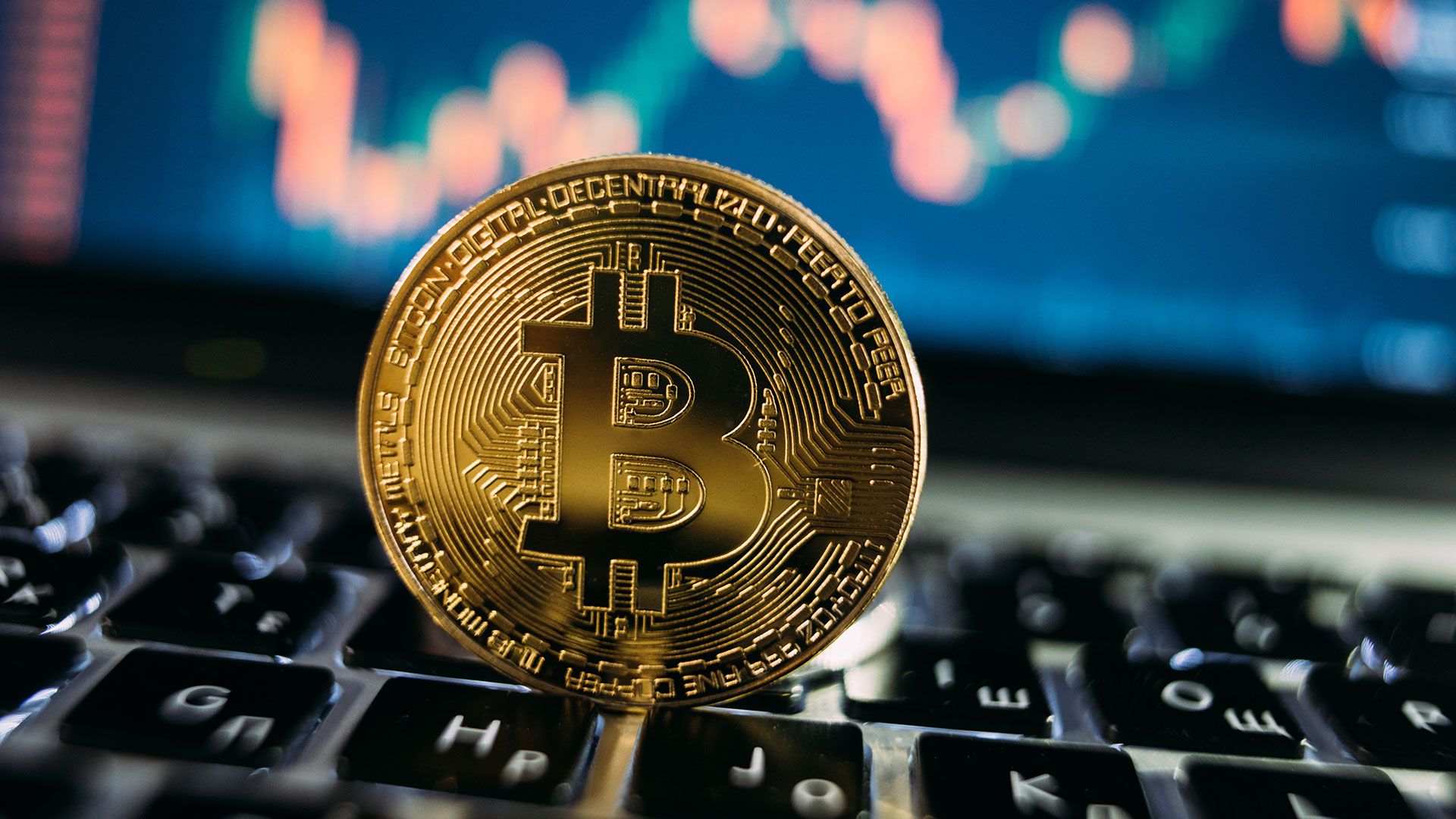
The Binance heist points to something larger than a single exchange. The FBI said North Korea was behind the massive $6.3 billion crypto heist that hit Binance on October 29th, according to The Verge. The FBI labeled the activity TraderTraitor and said it observed actors connected to the hack converting tokens to Ethereum and preparing for further laundering. The scale is notable, but so is the shape of the operation: a state-linked actor, a high-value crypto target, and a laundering pipeline designed to move value into a more liquid form before further obfuscation. That is an industrial process, not a one-off break-in.

For US markets, crypto theft of this size is a market-integrity question, not merely a consumer-protection one. When a major exchange is the target and the stated concern is conversion and preparation for laundering, the risk runs through the trading and settlement infrastructure that US firms and investors increasingly touch. The FBI attributing the activity and describing observed laundering behavior is the kind of disclosure that should shape how US exchanges and their counterparts think about counterparty risk.


Edge Devices, Repeatedly

The Ivanti story completes the thread. Ivanti released security updates to patch two more Connect Secure remote access gateway flaws that were chained in zero-day attacks since at least October 1, as BleepingComputer reported. These are not consumer products in the usual sense, but they are the kind of remote access gateway that sits at the edge of many corporate networks, including those of US companies. Chaining zero-days on an edge device is a familiar technique precisely because edge devices are exposed by design and frequently under-maintained. The vulnerability is not the only issue; it is the operational reality that patching these systems is slow and uneven across organizations.

Taken together, the three stories describe a consistent attacker logic. Find systems that are networked, standardized, and poorly defended relative to their importance. Move quickly when zero-days appear. Pursue the highest-value flow of money when it is available. The supermarket freezer controls, the crypto exchange, and the remote access gateway are different products and different sectors, but they share the same structural weakness: importance to daily operations with defenses that have not kept pace.

Why This Lands on US Technology Firms

US technology companies sit at both ends of this pattern. They supply much of the software and hardware that link these systems together, and they are on the hook for the security expectations that follow. A wave of interference with European retail cold-chain systems is a reputational and contractual issue for the vendors whose products are involved, and it is a signal for US retailers running similar deployments. A $6.3 billion heist against Binance, attributed by the FBI to North Korea, raises the bar for how US crypto firms and their partners demonstrate anti-laundering controls. Another set of chained zero-days in Ivanti Connect Secure raises the bar for how US companies manage remote access gateways, which are often the difference between a perimeter and a hole.

The common pressure is not a single regulation or a single technology fix. It is the expectation that security has to be treated as part of normal operations across all of these layers - retail operations technology, financial market infrastructure, and corporate edge devices - rather than as a specialist concern that surfaces after an incident.

What to Watch

Watch for whether the European supermarket incidents spread or recur, since The Verge's report is based on local accounts shared by Bloomberg and Reuters and the affected chains in Belgium, Sweden, Luxembourg, and Estonia are the current evidence. Watch how the Binance investigation develops, particularly whether the FBI's stated observation of token conversion to Ethereum and preparation for further laundering is followed by additional official detail. And watch Ivanti's patching cadence and the adoption of the updates for the two Connect Secure flaws that BleepingComputer says were chained in zero-day attacks since at least October 1. These are the concrete indicators that the underlying pattern is being addressed rather than simply noted. The thread running through all three stories is that the weakest link is often the most ordinary one, and it is appearing in several places at once.

More on this beat: Cybersecurity on TechManNews.

#cybersecurity#critical infrastructure#crypto crime#vulnerability management#retail technology#North Korea

Newsletter

Get Tech News in Your Inbox

The latest AI, gadgets, software and startup stories from TechManNews, delivered every morning - free.